
Advantages and Disadvantages of Modern Walk-in Showers
Explore the comprehensive benefits and challenges of installing modern walk-in showers. From their sleek design and easy maintenance to potential water splashing issues and higher initial costs, this guide helps homeowners understand everything they need to create a safe, stylish, and functional bathroom space. Learn about customization options, safety features, and renovation tips to make the most of your walk-in shower experience, blending luxury with practicality in contemporary bathroom designs.
Ease of Maintenance
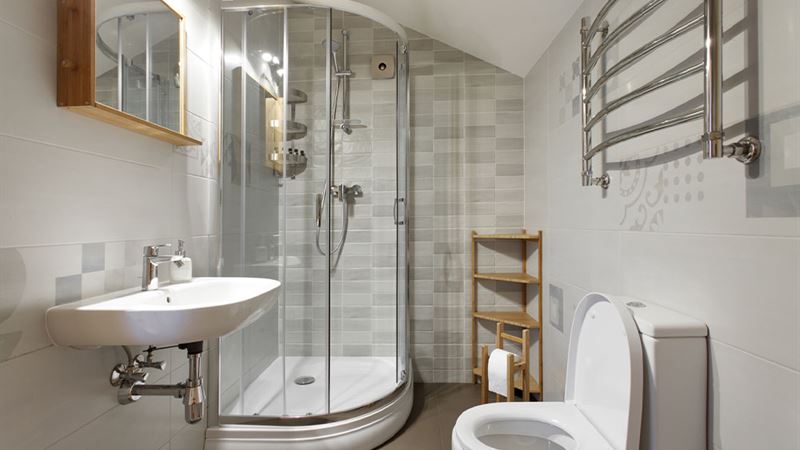
One of the main benefits of walk-in showers is their straightforward cleaning process. Unlike traditional bathtubs and showers, which often have numerous corners and crevices, walk-in designs feature smooth, flat surfaces that are easier to wipe down. The large, open tiled floors and glass walls require less effort and time to keep spotless, making them ideal for busy households seeking low-maintenance bathroom upgrades. Properly planned layouts further simplify routine cleaning, saving homeowners both effort and frustration.
Design Flexibility
Walk-in showers are incredibly adaptable and can be tailored to fit any bathroom size or layout. Whether you have a compact powder room or a luxurious suite, these showers can be scaled and customized to match your specific needs. They can be installed as standalone units or incorporated into larger bathroom setups, with options for wall-mounted, corner, or freestanding configurations. Their unobstructed design also allows for creative architectural expressions, seamlessly blending with various interior styles.
Sleek Minimalist Aesthetic
The minimalist design of walk-in showers enhances the overall look of your bathroom, adding a modern and sophisticated touch. Whether you prefer a streamlined, doorless setup or a glass-enclosed shower with a stylish door, these installations serve as statement features that elevate your home's aesthetic appeal. The use of high-quality glass and contemporary tiles provides a luxurious, spa-like ambiance that can elevate the value and appeal of your property.
Accessibility for Everyone
One of the significant advantages of walk-in showers is their easy accessibility. With no raised thresholds or barriers to step over, they are particularly suitable for elderly individuals, those with mobility challenges, or families with small children. Many designs eliminate the need to navigate over a bathtub or step into a shower pan, making daily routines safer and more convenient. Moreover, without doors, they minimize the risk of tripping or slipping upon entry and exit.
Potential Drawbacks of Walk-in Showers
Lack of Privacy
Because most walk-in showers do not have doors or have transparent glass panels, privacy can sometimes be compromised. Open designs or clear glass walls may not be suitable for shared bathrooms or households valuing privacy, particularly if the shower is located in a common area. Adding frosted or textured glass can mitigate this issue, but it remains an important consideration during planning.
Water Splash and Spill Risks
Depending on the design and size of the walk-in shower, water splashing out onto the bathroom floor can occur, leading to slippery surfaces and potential flooding if not properly managed. To prevent this, careful planning of the layout—such as incorporating adequate drainage slopes and installing splash guards—is essential. Proper placement of tiles with textured, slip-resistant surfaces can also help contain water and reduce accidents.
Higher Initial Investment
Compared to traditional shower arrangements, walk-in showers typically command a higher price point. The cost of quality glass panels, premium tiles, and custom architectural features adds to the overall expense. While the investment can be substantial upfront, many homeowners find the luxurious aesthetic and functional benefits justify the cost, especially since these showers tend to increase property value over time.
Considerations for Installation and Use
Floor Flooding Risks
Because walk-in showers are often open and spacious, the risk of water spilling onto the bathroom floor is higher. To mitigate this, builders often recommend slightly lowering the floor height and creating a gentle slope towards the drain, ensuring efficient water runoff. Properly designed drainage systems are crucial for preventing water accumulation and mold growth.
Choosing Textured Tiles for Safety
To enhance safety, especially in homes with children or elderly residents, textured tiles with good grip should be used. Non-slip surfaces can significantly reduce the chances of slips and falls, ensuring a secure environment within your shower space.
Managing Moisture and Drafts
Open walk-in showers can introduce excess moisture into the bathroom, leading to dampness and drafts. To maintain a comfortable environment, it’s advisable to install high-quality exhaust fans or windows with proper ventilation. Additionally, incorporating dehumidifiers can help control humidity levels, preventing mold and maintaining air quality.
Designing Unique Features and Textures
Personalization options abound with walk-in showers. You can create feature walls by adding textured tiles, mosaic miniatures, or decorative panels. Playing with colors and textures turns the shower area into a focal point, reflecting your style and taste. These customizations can turn an ordinary bathroom into a luxurious retreat with a unique character.
Innovative Architectural Designs
The shape and layout of a walk-in shower are not limited to traditional rectangular or square configurations. Modern architecture allows for curved, circular, or asymmetrical shapes, fitting seamlessly into various bathroom sizes and styles. Custom designs can maximize space, enhance visual interest, and improve overall functionality.
Glass Enclosures and Their Features
High-quality glass panels are key to a stunning walk-in shower. Using thicker glass (6-8mm) ensures durability and safety. Many homeowners opt for anti-fog tempered glass, which remains clear and free of water spots, providing unobstructed views and a sleek appearance. Frameless or semi-frameless designs enhance the minimalist aesthetic and simplify cleaning.
Cost Factors for Installation
The overall cost of installing a walk-in shower varies depending on size, complexity, and materials chosen. On average, installation expenses range from $815 to over $1,200, factoring in custom features and labor. Budget considerations should include quality materials, professional plumbing, and architectural modifications to ensure longevity and optimal performance.
Longevity and Renovation Tips
Walk-in showers generally have a lifespan of around 18 years if well-maintained. Regular renovations, typically every 3-4 years, help update their look and functionality, especially as styles evolve. Renovation projects can include replacing tiles, upgrading glass panels, or installing new fixtures. These showers are versatile enough to be incorporated into various settings, such as luxurious homes, boutique spas, or even outdoor garden areas, adding value and style.
Understanding the unique features of walk-in showers and tailoring their design to your needs can create a stunning, functional bathroom. Whether prioritizing accessibility, aesthetic appeal, or modern convenience, walk-in showers continue to be a popular choice among contemporary homeowners and designers. Their sleek look, customizable options, and luxurious feel make them a preferred option for modern bathrooms, including upscale hotels and spa retreats. Choosing the right design, materials, and features will ensure you enjoy both beauty and practicality for years to come.