
Comprehensive Guide to Preschool Education: Key Insights and Best Practices
This comprehensive guide explores the essentials of preschool education, emphasizing the importance of holistic development. It covers curriculum debates, crucial skills children should acquire before school, and the role of play and social interaction in fostering well-rounded individuals. Learn about effective preschool practices that combine academic preparation with emotional and physical growth, preparing children for future success and lifelong learning. A must-read for parents, educators, and childcare providers aiming to provide optimal early childhood education.
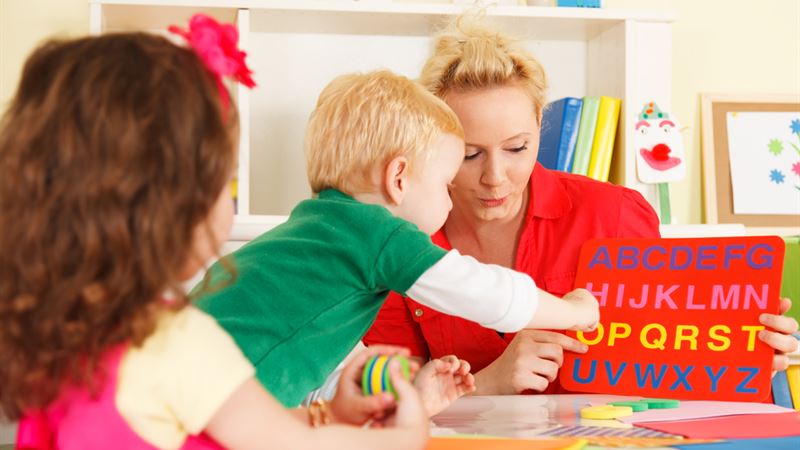
Preschool education programs provide a foundation for early childhood development and are available through both public and private entities. The curriculum design for preschoolers has long been a subject of vigorous debate among educators, planners, and parents. At the core of this discussion lies the question of what content should be prioritized and the most effective teaching methodologies. Some advocate for a highly structured academic approach focusing on literacy, numeracy, and specific skills, while others support a more holistic development model emphasizing emotional, social, physical, and spiritual growth.
The debate surrounding preschool curricula hinges on differing philosophies about early childhood education. Advocates of academic-focused programs argue that early mastery of foundational skills sets children up for future academic success. They emphasize language development, early numeracy, and structured learning activities that foster goal-oriented learning and cognitive development. On the other hand, critics argue that this approach may overlook crucial aspects of a child’s overall well-being and personality development.
Many experts believe that preschool education should nurture comprehensive development, including health, emotional maturity, physical abilities, social skills, and spiritual awareness. They stress that early childhood should not just be about immediate academic achievement but also about fostering resilient, confident, and socially competent individuals. To achieve this, the curriculum must include goals beyond mere academics, focusing on building a child's emotional intelligence, physical health, social interaction abilities, and creative expression.
Before children enter formal schooling, it is essential they acquire certain skills that prepare them for the learning environment. Here are some fundamental competencies a child should have:
- Social and Communication Skills: A child must be able to interact comfortably with unfamiliar peers and adults. They should listen attentively, share, resolve conflicts independently, and develop friendships without excessive adult intervention. These skills lay the groundwork for effective collaboration and emotional regulation.
- Language Development: Fluency in communication is vital. A child should have a rich vocabulary and be able to express their needs, thoughts, and feelings clearly. They should learn through listening, mimicking sounds, and gradually move towards articulating words and sentences, eventually developing reading and writing skills.
- Attention and Observation: Developing the ability to focus on details, observe surroundings keenly, and demonstrate curiosity is crucial. These traits support cognitive growth, problem-solving, and the ability to absorb new information effectively.
- Physical Skills and Self-Help Abilities: Preschoolers should be comfortable with basic physical tasks such as dressing and undressing, toilet training, washing hands, and safe eating habits. These skills promote independence. Additionally, physical development through jumping, hopping, climbing helps strengthen muscles and coordination.
- Cognitive and Reasoning Skills: Engaging in role-play, participating in simple scientific experiments, and understanding the relationship between numbers and quantities help foster logical thinking. Recognizing patterns, understanding cause and effect, and basic problem-solving lay a foundation for later academic learning.
- Creative Expression: Drawing, coloring, singing, and storytelling nurture imagination and emotional expression. Recognizing familiar sounds, melodies, and repeating patterns contribute to auditory skills and creativity.
- Problem-Solving and Adaptive Skills: The ability to shift focus across different activities, resolve minor conflicts, and adapt to social behaviors are essential for personal growth and social integration.
Overall, preschool programs aim to cultivate a well-rounded personality. They foster social skills, emotional resilience, communication prowess, physical development, and creative talents. Play-based learning is a cornerstone of many curricula because it allows children to explore, experiment, and learn through firsthand experiences. By engaging in peer activities, children learn vital life skills such as decision-making, emotional regulation, empathy, negotiation, and conflict resolution.
In essence, early childhood education serves as a crucial building block for lifelong learning and development. It shapes personality, fosters social competence, enhances emotional health, and sparks curiosity about the world. Creating a balanced preschool curriculum that caters to diverse developmental needs ensures that children not only succeed academically but also grow into confident, compassionate, and capable individuals ready to face future challenges.