
Unlocking the Power of Predictive Analytics: A Comprehensive Guide for Modern Businesses
Discover how predictive analytics is transforming modern business strategies by enabling organizations to forecast trends, optimize operations, and mitigate risks. This comprehensive guide explores its core concepts, functioning, and diverse industry applications, demonstrating why it is an essential tool for competitive advantage in today's digital economy.
Introduction to Predictive Analytics in Today's Business Environment
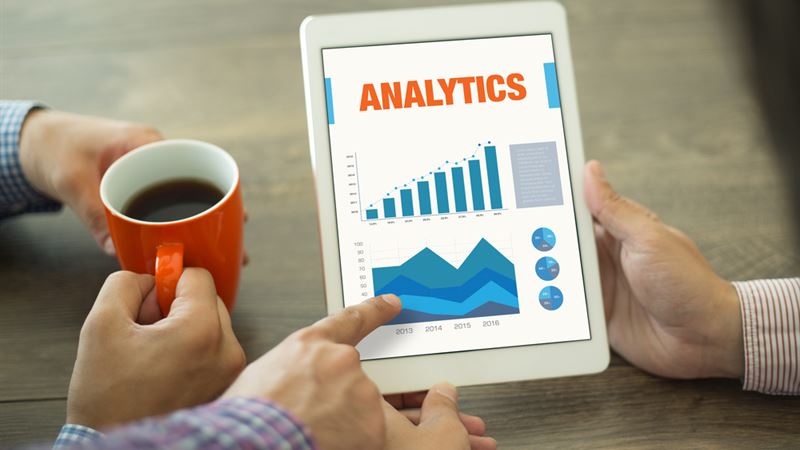
As competition intensifies across all sectors, organizations are increasingly turning to innovative technological solutions to gain a competitive edge. The advent of digital platforms, big data, and rapid communication channels has transformed traditional business strategies. In this evolving landscape, predictive analytics stands out as a powerful tool that enables companies to anticipate future trends, mitigate risks, and make data-driven decisions with confidence.
Predictive analytics involves examining historical data to identify patterns and trends that can forecast future outcomes. This approach helps businesses optimize operations, craft effective marketing campaigns, prevent fraud, and enhance customer experiences. As a result, companies that leverage predictive analytics can improve efficiency, reduce costs, and identify new revenue opportunities.
In this comprehensive guide, we'll explore the core aspects of predictive analytics, why it has become essential for modern enterprises, how it works, and its diverse applications across various industries.
Understanding the Significance of Predictive Analytics in Business
- Ease of Implementation and Comprehensibility: Predictive analytics software is designed with user-friendly interfaces, making it accessible to professionals across different departments. You don't need a PhD in data science to understand and utilize these tools effectively. Its design promotes quick adoption, allowing organizations to derive value rapidly.
- Versatility and Data Integration Capabilities: One of the remarkable features of predictive analytics is its ability to process and analyze vast and varied datasets. From structured databases to unstructured customer feedback, social media sentiments, and IoT sensor data, this technology can synthesize information from multiple sources to generate meaningful insights.
Cost-Effectiveness and Reliability compared to Traditional Methods
Unlike conventional research techniques that often involve extensive surveys, focus groups, or manual data collection, predictive analytics offers a more economical and dependable alternative. By automating data processing and analysis, it reduces labor costs and minimizes human error, resulting in quicker and more accurate forecasts. Moreover, its predictive nature allows organizations to prepare for potential challenges before they materialize, ensuring proactive decision-making.
Why Predictive Analytics Is Crucial for Contemporary Business Strategies
- Enhancing Marketing Campaigns: Understanding customer preferences and behavior is vital for crafting impactful marketing strategies. Predictive analytics analyzes past interactions, purchase history, and responsiveness to identify patterns, enabling marketers to target the right audience with personalized messages. This approach increases conversion rates and improves return on investment (ROI). Additionally, when entering new markets, predictive models can forecast demand, helping allocate resources more effectively.
- Detecting Fraud and Ensuring Cybersecurity: As businesses rely heavily on digital platforms, safeguarding data becomes paramount. Predictive analytics tools can monitor network activity in real-time, detecting anomalies that may indicate cyber threats or fraudulent transactions. Early detection allows prompt action to prevent security breaches and financial losses. This behavioral vigilance also helps organizations identify vulnerabilities and fortify their defenses continuously.
- Optimizing Business Operations: Market dynamics can shift swiftly, demanding agility from organizations. Predictive analytics provides insights that enable companies to streamline supply chains, manage inventory efficiently, and optimize workforce deployment. For example, predictive models can forecast demand spikes, allowing companies to adjust production schedules accordingly, thereby reducing waste and increasing profitability.
- Risk Management in Financial Sectors: Industries like banking and insurance leverage predictive analytics to assess creditworthiness, evaluate risk levels, and determine pricing strategies. By analyzing customer data and historic records, institutions can make informed decisions about extending credit, issuing policies, or setting interest rates, ultimately minimizing financial losses.
How Predictive Analytics Operates in Practice
- Data Collection: The process begins with gathering raw data from multiple relevant sources such as digital archives, transactional records, sensors, social media platforms, and internal databases. This cultivates a comprehensive dataset that captures various aspects of business activities and customer behaviors.
- Data Preparation and Cleansing: Not all data is useful; hence, the next step involves filtering out incomplete, outdated, or irrelevant information. The remaining data undergoes transformation—normalization, encoding, and aggregation—to enhance quality and consistency.
- Model Development: Analysts leverage statistical algorithms and machine learning techniques to develop predictive models. These models simulate different scenarios and predict potential outcomes based on historical data patterns.
- Deployment and Integration: Once validated, the predictive models are embedded into existing systems such as CRM platforms, enterprise resource planning (ERP) software, websites, or mobile applications. This integration allows real-time analytics and actionable insights to inform ongoing decisions.
Industries Benefiting from Predictive Analytics
- Banking and Financial Services
- Retail and E-commerce
- Hospitality and Hotels
- Airlines and Transportation
- Oil, Gas, and Utilities
- Manufacturing and Industrial Production
- Government Agencies
- Healthcare and Medical Services
- Automotive Industry
Understanding and harnessing predictive analytics can revolutionize how organizations operate, compete, and innovate. By transforming raw data into strategic foresight, businesses can navigate uncertainties and seize new opportunities with confidence.