
Understanding Valuable Metals: An In-Depth Exploration of Precious and Rare Metals
Explore the fascinating world of precious and rare metals, including their properties, sources, and importance in industries like jewelry, electronics, and automotive manufacturing. Learn what makes these metals valuable, their global distribution, and how their scarcity influences their economic worth and utilization.
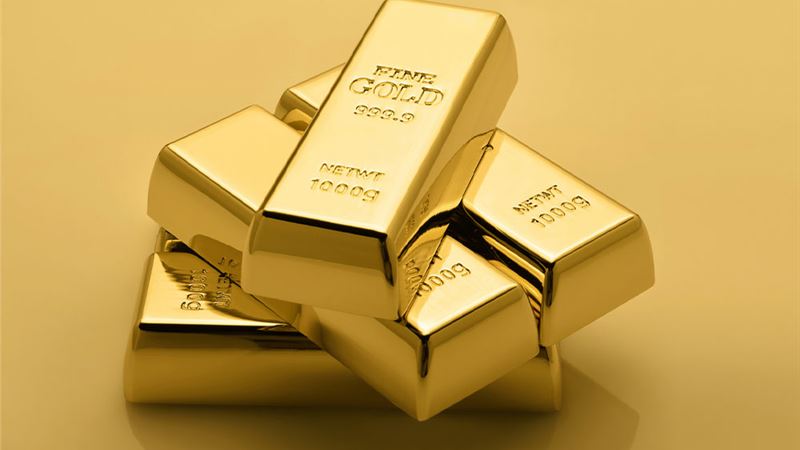
Across the globe, central banks and governments maintain significant reserves of these metals as a safeguard against economic instability, inflation, and currency devaluation. Gold, in particular, has long served as a universal store of value and a hedge against inflation. But what other metals are considered precious, and why are they so highly valued? Let's delve deeper into the world of precious and rare metals, examining their properties, sources, and their roles in industry and investment.
- Platinum
Platinum stands out as one of the most abundant rare metals, with an occurrence rate of approximately 0.003 parts per billion in the Earth's crust. Its exceptional malleability, resistance to corrosion, and high melting point make it a favorite in industrial applications. It's widely used in catalytic converters, jewelry, and even in medical devices due to its biocompatibility. - Rhenium
This rare, dense metal is produced primarily as a by-product during copper mining. Rhenium's extremely high melting point and durability make it invaluable in aerospace alloys, gas turbines, and jet engines. Despite its scarcity, growing demand continues to elevate its value in high-tech industries.
- Ruthenium
This shiny, hard, and highly resistant metal is an alloy component derived from platinum and palladium. Ruthenium plays a crucial role in electronics, used in electrical contact plates and chip resistors. Its unique properties also make it suitable for solar cells and catalysis in chemical reactions. - Rhodium
Arguably the most precious of all these metals, rhodium's high reflectivity and resistance to corrosion make it vital for automotive catalytic converters and optical coatings. It is one of the rarest metals, often produced as a by-product during copper and nickel refining, driving its high market value.
- Iridium
This white, high-melting, dense metal is primarily obtained during nickel mining or from platinum ore processing. Iridium alloys are essential in precision instruments such as compass bearings, standard measures, spark plug contacts, and pen tips, where durability is critical. - Osmium
Recognized as the densest known element, osmium's bluish-silver hue and remarkable hardness make it invaluable in specialized electrical contacts and filaments. Its brittleness and high melting point limit its broad use but highlight its importance in specific high-tech applications.
- Gold
This classic metal remains the gold standard for investments and wealth preservation. Its softness, malleability, and resistance to tarnish have made gold a preferred medium for jewelry, bullion, and financial markets worldwide. - Palladium
Appearing as a whitish-gray metal, palladium is renowned for its ability to withstand extreme heat and its high malleability. Its primary use in catalytic converters helps reduce emissions in automobiles. Additionally, palladium is used in jewelry, dental applications, and electronics manufacturing, demonstrating its versatile utility.
- Silver
This highly conductive, shiny metal is widely employed in jewelry, mirrors, batteries, printed circuits, and tableware. Its excellent electrical and thermal conductivity make it indispensable in advanced electronics and industrial applications.
Where are these metals primarily mined?
- Platinum is predominantly mined in South Africa and Canada, which are global hubs for platinum extraction.
- Rhenium, difficult to find freely in nature, is mostly obtained as a by-product during copper and molybdenum processing.
- Ruthenium deposits are found in North and South America, particularly in the Ural Mountains of Russia and in certain regions of North America.
- Rhodium is mainly sourced from South Africa, Canada, and Russia, with additional deposits in North and South America.
- Iridium is mined in the United States, Russia, South Africa, and Australia.
- Osmium sources include North America, Russia, and South America.
- Gold is primarily mined in South Africa, China, Australia, and the United States.
- Palladium production centers include Brazil, Russia, and South Africa.
- Silver is mainly produced in Mexico, Peru, and Chile, with China being a significant global producer.
Why are these metals considered precious?
Their rarity and unique physical and chemical properties contribute to their high value. Limited availability in nature and challenging extraction processes elevate their market worth. Continuous research and technological advances increase their usability and economic significance, maintaining their status as precious metals in various industries.