
Comprehensive Guide to Selecting the Perfect Bicycle for Your Child
Choosing the right bicycle for your child involves considering safety, fit, durability, and your child's preferences. This comprehensive guide offers essential tips for selecting a suitable bike to boost confidence and ensure long-term enjoyment. Factors like age, height, weight, and environment play critical roles in your decision-making process. Engaging your child and consulting professionals can lead to a more satisfying purchase. Prioritize lightweight, durable, and appropriately sized bikes, and equip your child with necessary safety gear. A well-chosen bike can foster a love for riding and outdoor activity for years to come.
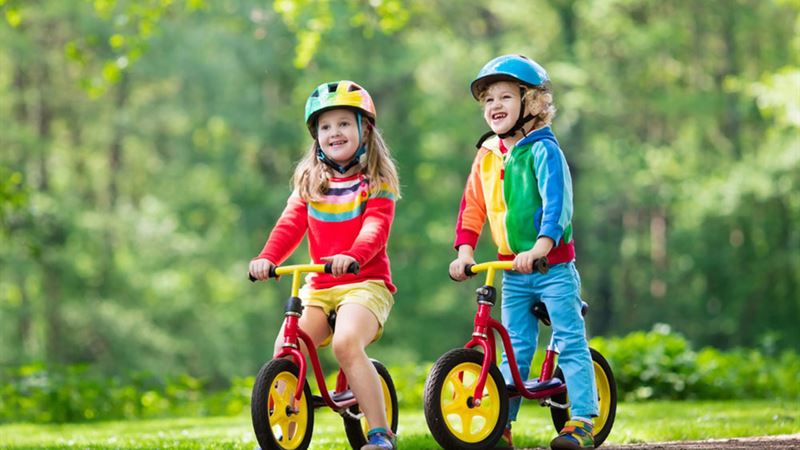
Choosing a bicycle for your young one involves careful consideration beyond just appearance. While factors such as color, style, and accessories might catch your eye, fundamental aspects like safety, comfort, and suitability for your child's age are paramount. As children grow and develop, their confidence and coordination improve, making it vital to select a bike that aligns with their physical and emotional readiness. Additionally, their personality and preferences should influence your choice to ensure they enjoy riding and remain motivated to learn. Below, we explore comprehensive tips and advice for selecting the ideal bicycle for your kid, ensuring safety, confidence-building, and long-term enjoyment.
- First and foremost, carefully assess your child's age, height, and weight to choose a bike that fits them perfectly. An ill-fitting bike can cause discomfort, discourage riding, or even pose safety risks. Many manufacturers provide size charts—use these as a guideline, but always double-check by letting your child sit on the bike to test comfort and reach. For example, your child should be able to touch the ground comfortably when seated, and their legs should extend slightly when pedaling without overreaching or stretching excessively. Proper fit not only enhances safety but also boosts their confidence, making every ride a fun and engaging experience.
- When selecting a bike, prioritize models designed specifically for children, which are built with safety and durability in mind. Look for features such as a sturdy frame, quality brakes, and reliable tires suitable for your local terrain. If your child is just starting, consider bikes with training wheels or balance bicycles to facilitate learning. For older children, choose models with gears, as they can help with riding on different surfaces. An appropriately designed bike should be lightweight, so your kid can handle it easily, especially when starting and stopping. Remember, a heavy bike can quickly become cumbersome, discouraging your child from riding or making it difficult for them to control the bike confidently.
- Engaging your child in the selection process can foster excitement and ownership, encouraging them to use the bike regularly. Bring your kid along when shopping, and let them choose from a selection of bikes that meet safety criteria. Their preferences for color, design, and accessories—like bells or reflectors—can add to their enthusiasm. However, remind them of essential safety features and the importance of functionality over aesthetics. A bike that aligns with their personality and interests can turn riding from a chore into a joyful adventure, promoting physical activity and outdoor play.
- Seek expert advice from knowledgeable sales staff or bike shop professionals. They can assist in selecting a model that best matches your child's size, skill level, and riding environment. They might also suggest additional safety accessories such as helmets, knee and elbow pads, and lights, which are crucial for safe riding. Do not buy a bike impulsively; instead, invest time in choosing a high-quality, well-made bicycle that will last through your child's growth stages and withstand daily use. Regular maintenance and proper adjustments will prolong the life of the bike and ensure safety for your child at all times.
- Pay attention to the weight of the bike, as heavier bikes can be exhausting for children to handle, especially when learning. Opt for lightweight models that your child can maneuver comfortably without fatigue. Additionally, examine the bike's construction for durability; a robust frame made of quality materials will resist damage from rough handling and outdoor conditions, making it suitable for initial learning and subsequent adventures. Remember, the first bike is foundational for developing riding skills, so investing in a sturdy, reliable model is a wise decision.
- Finally, consider the environment in which your child will ride most often. For urban settings, a bike with good brakes, reflectors, and easy handling is ideal. For off-road or trail riding, look for models with wider tires, suspension, and enhanced stability features. Preparing your child with appropriate safety gear and ensuring their bike is well-maintained will help them enjoy riding safely and confidently. Encourage regular practice and teach riding safety from the beginning to instill good habits and build their confidence on the road or trail.