
Ultimate Guide to Outdoor Grilling and Cooking Equipment for Your Perfect Weekend Barbecue
Explore our comprehensive guide to outdoor grilling and cooking equipment, helping you select the perfect tools for your backyard barbecue. Learn about BTU ratings, materials, burner types, fuel options, and accessories to enhance your outdoor cooking experience. Whether you prefer charcoal, gas, or wood, find tips to choose durable, efficient, and versatile equipment that suits your needs and elevates your weekend cookouts. Discover how the right gear can transform your outdoor space into a culinary paradise, making every barbecue memorable.
Embark on your outdoor culinary adventures with the right grilling and cooking gear that transforms your backyard into a gourmet haven.
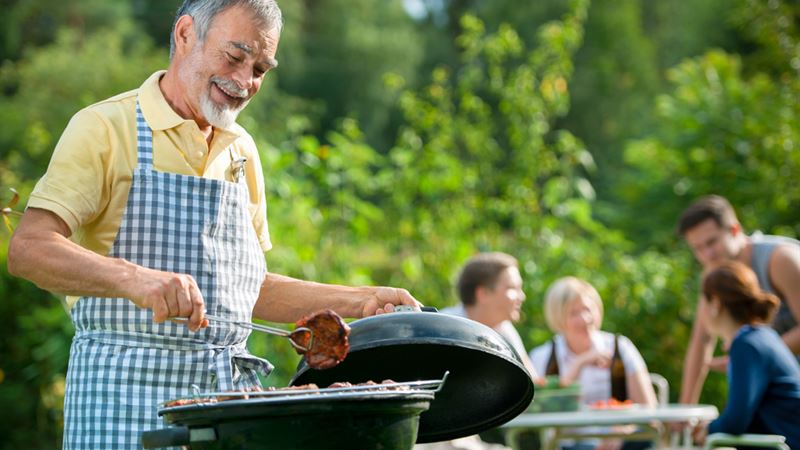
Key Factors When Choosing Outdoor Grilling Equipment
Investing in the right outdoor grill and accessories is essential to elevate your cooking game. Here are some critical aspects to consider:
BTU and Power Output
The British Thermal Unit (BTU) rating indicates the heat output of your grill. A higher BTU can suggest more power, but it's vital to understand that a higher number doesn't always equate to better or faster cooking. Focus on your specific needs—if cooking large cuts of meat or multiple dishes simultaneously, opt for a model with sufficient BTUs but also consider the grill's size and heat distribution capabilities.
Design and Stability
The shape and construction of your grilling appliance affect stability and cooking efficiency. For heavy cookware or prolonged use, choose a sturdy, short, square-styled stove that can withstand weight and provide balanced support. Portability may be important if you plan to move your grill frequently; in such cases, lightweight, disassemblable models are ideal.
Materials and Build Quality
Most premium outdoor grills are crafted from stainless steel, which offers durability, corrosion resistance, and a sleek look. Models made from aluminum or porcelain-coated steel are also popular; however, aluminum may be more suited for coastal environments due to its rust resistance. Porcelain coatings are attractive but may degrade over time, exposing underlying metal to rust. Look for grills built with 304-grade stainless steel for long-lasting performance, especially if outdoor conditions are harsh. Grades like 443 offer a budget-friendly alternative with comparable durability for home use.
Burner Technology and Performance
The heart of a grill is its burners, and their quality greatly impacts your cooking experience. Pay attention to BTU ratings—higher BTUs mean more heat—and the type of burners, whether standard or infrared. Infrared burners produce intense heat, ideal for searing steaks quickly; however, they may not be suitable for slow, gentle cooking. Burners are typically made from cast iron, stainless steel tubes, or brass. Cast iron is durable but prone to rust, whereas stainless steel tube burners are corrosion-resistant and efficient. Brass burners distribute heat evenly and are completely rust-proof, making them a premium choice.
Flame Tamers and Heat Shields
Flame tamers act as protective barriers between burners and the cooking grid, preventing flare-ups and grease fires. They also influence flavor, as they can catch drippings and produce a smoky aroma during cooking. Materials range from ceramic to metal, with stainless steel tamers being especially durable and easy to clean. You can choose between partial (burner width) or full-width flame tamers to optimize heat distribution and protect your equipment.
Cooking Surface Materials
The cooking grid or surface is where the magic happens. Choose high-quality materials like porcelain-coated metal, cast iron, or stainless steel rods. Porcelain grids are non-stick but may wear over time; cast iron provides excellent heat retention and leaves distinctive grill marks but requires seasoning and maintenance. Stainless steel rods are low-maintenance and durable. For better performance, select thicker grids that withstand high temperatures and provide even cooking results.
Fuel Choices and Usage
Common fuel options include propane and natural gas, offering convenience and consistent heat. Charcoal and wood chips give a different flavor profile, imparting a smoky aroma that many backyard chefs cherish. Charcoal grills can generate higher temperatures and are excellent for traditional smoky flavors, although they require more time to heat up and clean-up afterward. The decision largely depends on your flavor preferences, ease of use, and cooking style.
Additional Tips for Selecting Outdoor Cooking Equipment
Before making a purchase, consider reviews, ratings, and warranty policies to ensure you select reliable, high-quality gear. Assess your typical cooking volume and frequency to choose appropriately sized equipment. Think about the available space—built-in systems are perfect for permanent setups, while portable units suit casual or small-area cooking. Don’t forget about accessories like covers, rotisseries, side burners, and smoker boxes that can enhance your outdoor culinary experience.
Enhance Your Outdoor Cooking Setup
Beyond the grill itself, consider investing in temperature probes, cleaning tools, and storage solutions to maintain your equipment and improve your cooking results. Remember, the right tools combined with proper technique can turn your backyard into a world-class grill station, capable of preparing everything from simple burgers to elaborate smoked dishes.
Choosing the right outdoor grilling equipment involves understanding your specific needs, preferences, and environment. With the wealth of options available—from portable grills to high-end built-in systems—you can find the perfect setup that complements your lifestyle and elevates your outdoor cookouts to new heights.