
Comprehensive Guide to Osteoporosis: Nutritional Strategies, Symptoms, and Effective Home Treatments
This comprehensive guide explores osteoporosis, emphasizing critical nutritional strategies, signs to watch for, and practical home remedies. By focusing on calcium and vitamin D intake, lifestyle modifications, and timely symptom recognition, individuals can prevent or manage osteoporosis effectively. The article highlights important dietary choices, exercise routines, and habits that enhance bone strength, helping you maintain mobility and quality of life as you age. Expert tips on managing symptoms and adopting healthy habits make this a vital resource for anyone concerned about bone health.
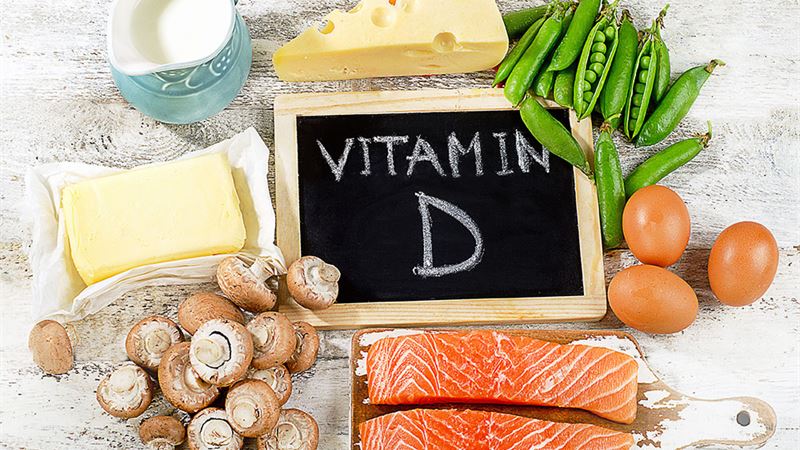
Osteoporosis is a condition characterized by weakened bones that are more susceptible to fractures and breaks. It often progresses silently, with many individuals unaware they have it until a fracture occurs. As the global population ages, understanding osteoporosis, its causes, how to identify its symptoms, and ways to prevent or manage it becomes increasingly important. Nutrition, lifestyle changes, and home remedies play a pivotal role in maintaining bone strength and preventing the progression of this silent disease. In this detailed guide, we explore a comprehensive range of dietary recommendations, symptoms to watch for, and practical home-based interventions aimed at strengthening bones and improving quality of life.
Key Nutritional Foundations for Bone Health
Maintaining healthy bones requires a balanced intake of specific nutrients, especially calcium and vitamin D, which are fundamental for bone formation and maintenance. Incorporating these nutrients through diet can significantly impact the progression of osteoporosis or even prevent it in at-risk groups.
- Eggs: Eggs are an excellent source of vitamin D, vital for calcium absorption and bone health. Regular consumption helps in regulating calcium-binding proteins in the body, which facilitate efficient calcium utilization. Including eggs in your diet can be a simple yet effective step in osteoporosis management.
- Dairy Products: Dairy items such as milk, cheese, and yogurt are rich in calcium—the primary mineral necessary for strong bones. If you are lactose intolerant or prefer plant-based options, fortified alternatives like soy milk, almond milk, and tofu also provide substantial calcium levels. These foods support the preservation of bone density over time.
- Fruits: Fruits such as figs, kiwis, oranges, bananas, and papayas are not only delicious but also packed with vital nutrients like vitamins A, C, and K, which are instrumental in enhancing bone density. Additionally, fruits like bananas and oranges promote potassium intake, neutralizing acids that can deplete calcium in bones and thus helping maintain a healthy bone environment.
Foods to Limit or Avoid
While certain foods promote bone health, others can hinder it. It's important to be mindful of dietary choices that may exacerbate osteoporosis.
- Alcohol: Moderate alcohol consumption might be harmless, but excessive intake can interfere with bone regeneration and calcium absorption. The National Osteoporosis Foundation suggests limiting alcohol to no more than two drinks per day to protect bone integrity.
- High-Sodium Foods: Consuming too much salt can lead to increased calcium loss through urine. To safeguard your bones, limit your sodium intake to less than 2,300 mg per day, emphasizing fresh, unprocessed foods over salty snacks and processed meals.
- Caffeine: Caffeine, present in coffee, tea, energy drinks, and sodas, can impair calcium absorption when consumed excessively. Restrict your intake to avoid diminishing your bone health and compromising bone density.
- Vitamin A Overconsumption: Although vitamin A is essential for bones, too much—especially from supplements like fish liver oils or high-dose multivitamins—may lead to bone deterioration or abnormal growth. Balance is key in vitamin A intake.
Implementing Practical Home Remedies and Lifestyle Changes
Beyond dietary strategies, lifestyle modifications and home remedies can significantly influence bone health and aid osteoporosis management.
- Weight-Bearing Exercises: Activities such as walking, running, stair climbing, tennis, and resistance training stimulate bone formation and increase density. Regular engagement in weight-bearing exercises enhances strength and reduces fracture risk.
- Ceasing Smoking: Smoking has been scientifically linked with decreased bone mineral density, especially in women. Quitting smoking can prevent further deterioration and promotes better overall bone health.
- Ensuring a Balanced Diet: Focus on a nutrient-rich diet that includes leafy greens, nuts, seeds, and lean proteins. Such a diet supplies vital nutrients that support bone repair and health.
- Addressing Posture and Movement Habits: Maintaining good posture and avoiding unnecessary falls or injuries are essential. Using assistive devices when needed and practicing balance exercises can prevent fractures.
Recognizing the Symptoms of Osteoporosis
Since osteoporosis often develops silently, recognizing early signs is crucial for intervention. Some symptoms that may indicate the presence of osteoporosis include:
- Persistent lower back pain arising from fractured or collapsed vertebrae
- Shortness of breath caused by compressed lung capacity due to spinal fractures
- Postural changes, such as a hunched back or Dowager's hump
- Unexplained bone fractures, particularly in the hip, wrist, or spine
Awareness of these signs can lead to timely diagnosis and treatment, preventing severe complications and improving outcomes.
In conclusion, osteoporosis is a manageable condition with proper care, diet, and lifestyle changes. Adopting healthy habits, recognizing early symptoms, and utilizing home remedies can significantly improve bone strength and quality of life for those affected. Emphasize calcium and vitamin D-rich foods, limit harmful substances, engage in regular weight-bearing exercises, and avoid smoking to maintain optimal skeletal health.
Always consult healthcare professionals for personalized advice and treatment options tailored to your specific needs. With proactive management, osteoporosis can be effectively controlled, safeguarding your independence and mobility in later years.