
Comprehensive Guide to Using Probiotics for Managing IBS Symptoms
Discover how probiotics can effectively manage IBS symptoms by restoring gut balance and reducing inflammation. This comprehensive guide explores the best probiotic strains, dietary tips, and practical advice for incorporating probiotics into your daily routine. Learn how fermented foods and supplements support gut health, improve digestion, and alleviate discomfort. Consult healthcare professionals to personalize your treatment plan and experience lasting relief from IBS with the power of beneficial bacteria. Improve your digestive health today with proven probiotic strategies.
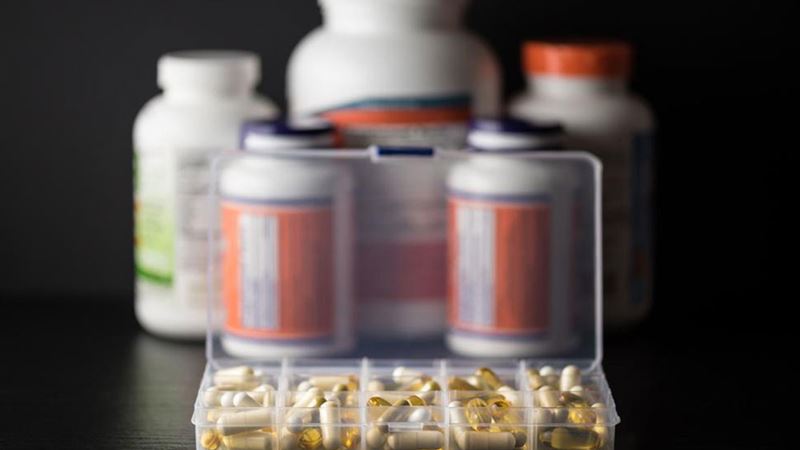
Understanding the role of probiotics in managing Irritable Bowel Syndrome (IBS) has gained increasing attention in recent years. These beneficial microorganisms help strengthen the intestinal walls, preventing harmful pathogens from infiltrating and causing discomfort. Incorporating probiotic supplements into your routine may significantly alleviate IBS symptoms and improve digestive health. This comprehensive guide delves into the ways probiotics aid in treating IBS, discusses the most effective strains available, and offers practical advice on incorporating fermented foods and supplements into your diet.
Probiotics work by enhancing the balance of beneficial bacteria within the gut microbiome. This balance is crucial for maintaining healthy digestion, preventing bacterial overgrowth, and supporting immune function. As IBS symptoms are often linked to bacterial imbalance, incorporating probiotics can be a proactive strategy to reduce symptoms and improve quality of life.
Research indicates that probiotic therapy can reduce inflammation, improve intestinal motility, and repair the gut lining, which collectively help in managing the complex symptoms of IBS. Although individual responses vary, many patients experience noticeable relief after consistent use of specific probiotic strains. This article explores the mechanisms behind these benefits, identifies the best probiotic options for IBS, and offers guidance on diet and supplement use to optimize gut health.
No single probiotic supplement is universally considered the best; instead, the effect depends on the strains used, the dosage, and individual gut flora composition. Scientific studies have supported the positive effects of various probiotic strains, such as Lactobacillus and Bifidobacterium, in reducing IBS symptoms like bloating, pain, and irregular bowel movements. Incorporating these strains through supplements or fermented foods can be a natural approach to symptom management.
Consuming probiotic-rich foods like yogurt, sauerkraut, kimchi, and other fermented products naturally supplies beneficial bacteria that help improve gut flora. When selecting supplements, it's essential to choose reputable products with high-quality strains, and consult healthcare professionals to personalize your treatment plan. Combining probiotics with a diet rich in fiber and low in irritants may yield the most beneficial results. Remember, patience is key, as the positive effects often become noticeable after several weeks of consistent use.
In summary, probiotics are a promising option for individuals struggling with IBS. They aid in restoring gut balance, repairing intestinal tissues, reducing inflammation, and alleviating common symptoms. By choosing the right strains, incorporating fermented foods, and following medical advice, you can take confident steps toward better digestive health. Always consult a healthcare provider before starting new supplements to ensure safety and efficacy tailored to your specific needs.