
Comprehensive Guide to Probiotics: Benefits, Sources, and Usage
Discover the essential facts about probiotics, including their sources, types, and health benefits. Learn how these beneficial microbes support digestion, enhance immunity, and improve overall wellness through natural foods and supplements. This comprehensive guide helps you understand how to incorporate probiotics effectively into your lifestyle for optimal health.
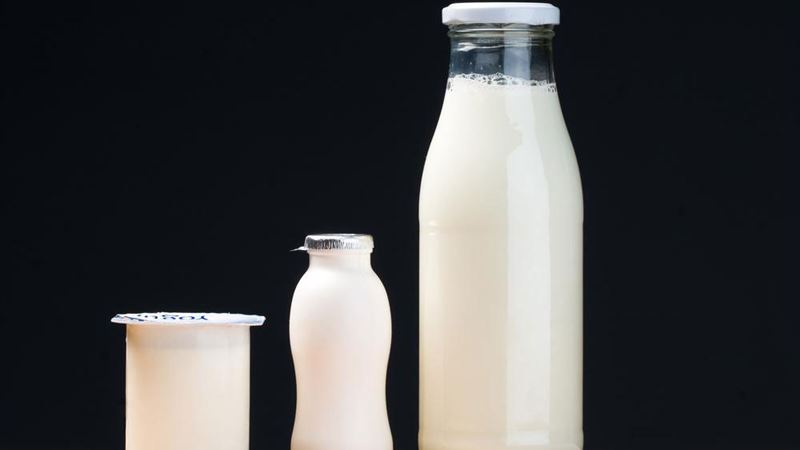
Understanding Probiotics: What Are They?
Probiotics are live microorganisms, primarily bacteria and yeasts, that confer health benefits when consumed in adequate amounts. These beneficial microorganisms are similar to the beneficial bacteria naturally found in the human gut and play a vital role in maintaining digestive health, enhancing immunity, and balancing gut flora. The regulation of probiotics predominantly falls under food safety authorities like the FDA, which classifies them as food products rather than medicinal drugs. This classification influences how they are marketed and consumed. Recognizing their composition and benefits is essential for making informed health choices.
What Constitutes Probiotic Foods?
The modern diet, often high in processed foods and lacking in natural fiber sources, can disrupt the delicate balance of intestinal bacteria. An imbalance marked by excessive harmful bacteria can lead to various digestive and chronic health issues, including bloating, constipation, diarrhea, and even weight management problems. Incorporating probiotic-rich foods into daily meals helps restore and maintain a healthy gut microbiome. These foods supply live beneficial bacteria directly to the digestive system, promoting overall wellness and preventing illness.
The most common natural sources of probiotics include:
- Yogurt and Fermented Dairy Products
Yogurt remains a popular source of probiotics. Made by fermenting milk with specific bacterial cultures, yogurt provides strains such as Lactobacillus and Bifidobacterium, which aid in digestion and alleviate lactose intolerance. Regular consumption can lead to improved gut health and reduced digestive discomfort. - Various Types of Cheese
Fermented cheeses like Gouda, cheddar, andSwiss are rich in probiotics. Gouda, in particular, is known for its ability to preserve beneficial bacteria throughout digestion, from stomach to intestines. These cheeses can be enjoyed as part of a balanced diet to support digestive health. - Fermented Breads
Sourdough bread is made through natural fermentation processes, which introduce probiotics capable of enhancing digestion and nutrient absorption. Including sourdough in your diet can contribute to a healthier gut microbiome. - Sauerkraut
This traditional fermented cabbage is an excellent source of probiotics, especially when unpasteurized. Pasteurization destroys beneficial bacteria, so choosing raw, unpasteurized sauerkraut maximizes probiotic intake. - Kefir
Kefir is a fermented milk beverage, similar to yogurt but with a thinner consistency. It contains a diverse range of bacteria and yeast strains that promote gut flora diversity, with benefits extending to immune support and digestive health. - Kimchi
This spicy Korean fermented vegetable dish is loaded with probiotics, vitamins, and antioxidants. Its probiotic content helps reinforce immune function and aids digestion. - Miso Soup
A staple in Japanese cuisine, miso is made from fermented soybean paste. Rich in Vitamin B, antioxidants, and probiotics, it supports digestive health while being low in calories. - Sour Pickles
Naturally fermented pickles, crafted without vinegar, retain live bacteria that boost gut health. They are an easy addition to any meal. - Tempeh
Made from fermented soybeans, tempeh is a high-protein plant-based source packed with probiotics. It serves as a versatile ingredient in vegetarian and vegan diets, supporting both digestive health and nutritional needs.
While natural foods are excellent sources, probiotic supplements are also widely available. These supplements usually list "Live and Active Cultures" on the label, ensuring the presence of viable bacteria. They can be especially useful for individuals with dietary restrictions or those needing an extra probiotic boost, such as during antibiotic therapy or illness recovery.
What Are the Main Components of Probiotics?
The primary beneficial bacteria used in probiotic formulations include various strains of Lactobacillus, Bifidobacterium, and specific yeasts such as Saccharomyces boulardii. Each strain offers unique health benefits, from improving digestion to modulating immune responses. Choosing the right probiotic depends on individual health goals and conditions, making consultation with healthcare professionals advisable before beginning supplementation.
Types of Probiotics and Their Roles
Several strains of probiotics are recognized for their health-promoting properties:
- Lactobacillus
Predominant in yogurts and fermented foods, Lactobacillus strains are especially effective in treating and preventing diarrhea, including that caused by infections or lactose intolerance. They also help maintain the integrity of the intestinal lining. - Bifidobacterium
Found in dairy products and supplements, these bacteria reduce symptoms of irritable bowel syndrome (IBS), improve bowel movements, and support immune functions. - Saccharomyces boulardii
This probiotic yeast assists in treating and preventing diarrhea, particularly antibiotic-associated diarrhea, and supports recovery from gastrointestinal infections.
Health Benefits of Incorporating Probiotics
The inclusion of probiotics in daily nutrition offers multiple health advantages:
- Restoring Gut Balance
Probiotics replenish beneficial bacteria in the gut, promoting a balanced microbial ecosystem essential for optimal digestion and nutrient absorption. - Mitigating Diarrheal Conditions
Regular intake can lessen the severity and duration of diarrhea caused by infections, antibiotics, or other factors, reducing discomfort and health risks. - Supporting Mental Well-Being
Emerging research links gut health to mental health, indicating that probiotics may play a role in reducing anxiety and depression symptoms. - Cardiovascular Protection
Certain probiotic strains can influence cholesterol levels, lowering LDL (bad cholesterol) and supporting cardiovascular health. - Reducing Allergies and Skin Conditions
In infants and children, probiotic foods can decrease the severity of eczema, allergies, and other immune-related conditions. - Enhancing Immune Response
Probiotics stimulate immune system activity, helping the body fight off harmful pathogens effectively.
Overall, probiotics are integral to maintaining gut health, which is linked to a broad spectrum of health conditions, including inflammatory bowel disease, urinary and vaginal infections, oral health issues, and allergic responses. Their role in promoting a balanced microbiome makes them a valuable addition to any health-conscious diet.