
Comprehensive Strategies to Prevent Shingles Before It Manifests
This comprehensive guide provides effective strategies to prevent shingles, including vaccination, hygiene, immune boosting, and avoiding contact with infected individuals. Understanding these preventive measures can significantly reduce your risk of developing shingles, a painful nerve condition. Learn how lifestyle changes and medical options can help you stay protected and maintain optimal health well into old age.
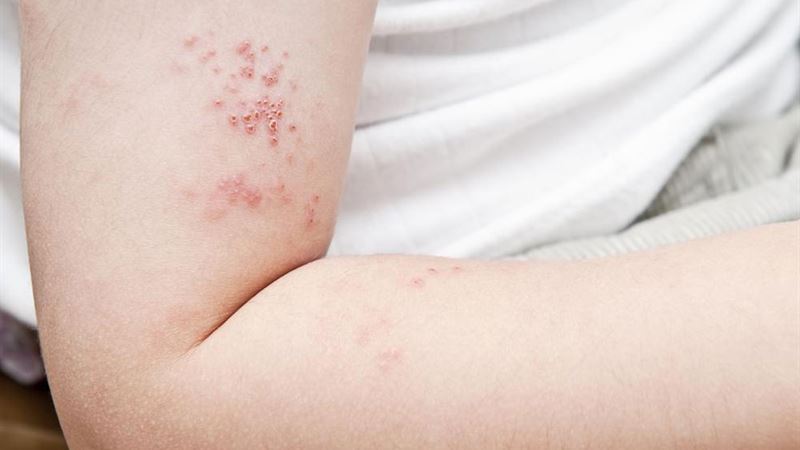
Shingles, also known as herpes zoster, isn't life-threatening but can cause intense discomfort and long-lasting nerve pain. The condition results from reactivation of the varicella-zoster virus, the same virus responsible for chickenpox. If you've never experienced chickenpox, there's no need to worry about shingles, since the virus isn't present in your body. However, if you've previously had chickenpox, it's prudent to take preventive measures to reduce your risk of developing shingles later in life.
It's important to understand the relationship between chickenpox and shingles. Simply put, if you have never contracted chickenpox, you're unlikely to get shingles. However, exposure to someone suffering from shingles can lead to chickenpox, particularly if you haven't had it before. Later in life, this can potentially develop into shingles, which underscores the importance of preventive strategies.
Implemented properly, preventive measures can significantly lower your risk of developing shingles, although no method guarantees complete immunity. Awareness and proactive steps are key to maintaining your health and preventing this painful condition.
Vaccination as a Preventive Measure
The most effective way to prevent shingles is through vaccination. The herpes zoster vaccine, marketed as Zostavax or Shingrix, has been proven to reduce the risk of developing shingles. This vaccine is especially recommended for individuals aged 50 and above, with many health authorities suggesting vaccination from age 60 onwards, as the risk of shingles increases with age. The vaccine works by boosting your immune response, thereby decreasing the likelihood of viral reactivation within the nerve tissues.
Avoid Close Contact with Infected Individuals
If you have had chickenpox previously, your primary concern should be avoiding contact with individuals who currently have shingles. Although you are unlikely to catch shingles directly (since it is a reactivation of the dormant virus), exposure to shingles-infected individuals can expose you to the active virus, which may cause chickenpox if you haven't had it before. This is especially vital for pregnant women and immunocompromised persons, who are at higher risk of severe complications.
Steer Clear of Chickenpox
Chickenpox remains highly contagious and is transmitted easily via respiratory droplets or contact with open blisters. Because chickenpox can lead to infection if you haven't previously had it, minimizing contact with anyone displaying chickenpox symptoms or suspected of having the disease is a wise preventative measure. Protecting yourself from chickenpox decreases your chance of later developing shingles.
Strengthening Your Immune System
A robust immune system is your first line of defense against shingles. Lifestyle choices play a critical role here. A balanced diet rich in vegetables, fruits, lean proteins, and whole grains provides essential nutrients that support immune function. Regular physical activity, adequate sleep, and hydration are equally vital. Additionally, routine medical checkups allow early detection and management of underlying health issues that could weaken your immunity.
Managing Stress Effectively
Chronic stress is known to impair immune responses, making your body more vulnerable to infections, including shingles. Incorporate stress-relief techniques such as meditation, yoga, deep breathing exercises, or engaging in hobbies you enjoy. Maintaining a positive outlook and social connections also contribute to mental health, further strengthening your ability to resist infections.
Maintaining High Standards of Hygiene
Good hygiene practices are fundamental in preventing the spread of viruses. Frequent handwashing with soap and water, disinfecting commonly touched surfaces, and avoiding sharing personal items like towels or utensils can limit viral transmission. Keeping your environment clean promotes overall health and reduces susceptibility to infections.
In conclusion, preventing shingles involves a combination of vaccination, lifestyle modifications, and hygiene practices. By staying proactive and informed, you can reduce your risk of experiencing the painful effects of shingles and take control of your health well into the future.