
Comprehensive Guide to Preventing and Treating Crepey Skin for Youthful, Firm Skin
This comprehensive article explores effective prevention and treatment strategies for crepey skin, emphasizing sun protection, hydration, nutrition, and advanced medical procedures. Learn how to maintain firm, youthful skin through lifestyle changes and professional treatments tailored to your needs. Perfect for individuals seeking practical solutions for aging skin, this guide offers expert advice on skincare routines, dietary habits, and cosmetic procedures to combat crepey skin effectively.
Effective Strategies to Combat Crepey Skin and Maintain a Youthful Glow
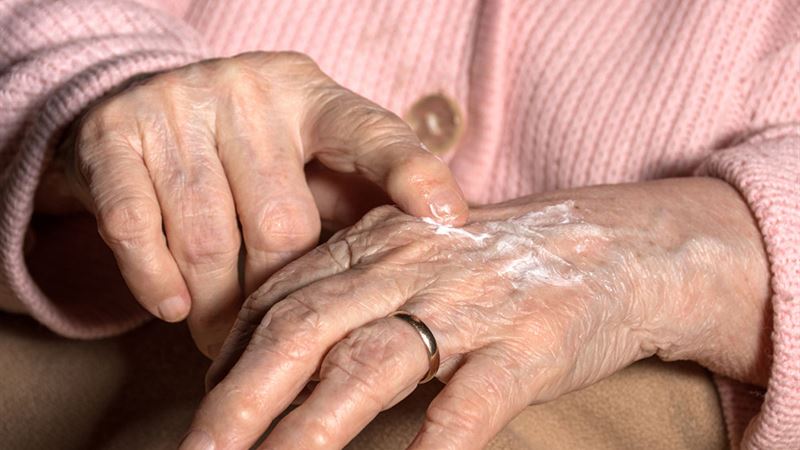
Crepey skin, characterized by its thin, fragile, and wrinkled appearance, is a common concern, especially among aging individuals. Thankfully, with proper skincare routines, lifestyle adjustments, and medical procedures, it’s possible to prevent and improve this skin condition, restoring a smoother, firmer look. This extensive guide dives into proven methods to prevent crepey skin and various treatment options that can help you regain confidence and youthful radiance.
Understanding Crepey Skin: What Causes It?
Crepey skin results from a combination of factors that weaken the skin’s structural integrity. The primary causes include aging, sun damage, decreased collagen production, and lifestyle influences. As we age, our skin naturally produces less collagen and elastin—proteins vital for maintaining firmness and elasticity. Additionally, exposure to ultraviolet (UV) rays from the sun accelerates skin aging, breaking down collagen and causing sagging and wrinkling.
Genetics also play a role. Some individuals are more predisposed to developing crepey skin due to inherited traits, which influence skin thickness and resilience. Other factors like environmental pollution, poor nutrition, dehydration, and stress also compromise skin health, leading to premature aging signs such as crepey skin.
Preventative Measures to Keep Skin Firm and Supple
1. Consistent Sun Protection for Long-term Skin Health
One of the most effective ways to prevent crepey skin is diligent sun protection. UV rays are the primary external force that damages the skin’s collagen matrix, leading to early sagging and wrinkling. Daily sun protection routines should include wearing broad-brimmed hats, seeking shade, wearing protective clothing, and applying a high-SPF sunscreen.
Dermatologists recommend using sunscreens with at least SPF 30, which barricades both UVA and UVB rays—both of which contribute to skin aging and cancer risk. Physical sunscreens containing zinc oxide or titanium dioxide reflect UV rays, while chemical sunscreens absorb and dissipate them. The best approach is to choose a broad-spectrum sunblock suitable for your skin type and reapply it every two hours while outdoors.
Protecting against artificial sources of UV, such as tanning beds, is equally essential. Tanning beds emit intense radiation that damages skin DNA, accelerating premature aging and increasing skin cancer risks. Avoiding tanning beds is one of the smartest preventative steps you can take.
2. Maintaining Proper Hydration and Moisturization
Hydrated skin appears plumper and more resilient, reducing the visibility of fine lines and creases. Use high-quality moisturizers regularly, especially after cleansing, to reinforce the skin’s barrier. Look for creams containing hydrating ingredients like hyaluronic acid, glycerin, ceramides, and aloe vera, all of which attract and retain skin moisture.
In addition to external moisturizers, drink adequate amounts of water daily—typically 8 to 10 glasses—to keep your skin internally hydrated. Proper hydration supports all bodily functions, including skin regeneration and repair processes.
3. Promoting Collagen Production
Collagen is critical in preserving skin’s firmness. As its production declines with age, it’s beneficial to incorporate skincare products with ingredients that stimulate collagen synthesis. Retinol, a derivative of vitamin A, is an effective ingredient for boosting collagen and improving skin elasticity.
Consult a dermatologist before starting retinol or other collagen-boosting treatments. They can recommend suitable formulations and usage routines to avoid irritation and maximize benefits. Additionally, facial treatments like microneedling or PRP (platelet-rich plasma) therapy can enhance collagen production naturally.
4. Nourishing Your Skin with a Balanced Diet
Nutrition plays a vital role in skin health. Eating a diet rich in antioxidants helps combat free radical damage that causes skin aging. Focus on incorporating foods packed with vitamins A, C, D, E, and omega-3 fatty acids.
- Carotenoid-rich vegetables like carrots, sweet potatoes, and spinach
- Fruits such as berries, oranges, and kiwis for vitamin C
- Fatty fish, walnuts, and flaxseeds for omega-3s
- Nuts, seeds, and leafy greens for vitamin E
Proper nutrition nourishes skin from the inside out, promoting collagen synthesis and skin repair.
5. Incorporating Natural and At-Home Remedies
Natural remedies can complement your skincare routine. Gentle physical exercises, facial massages, and stress management techniques improve blood circulation, delivering nutrients to skin cells and promoting repair.
Home-made scrubs using ingredients like oatmeal, olive oil, sugar, or coffee grounds combined with coconut or milk can exfoliate dead skin cells gently, revealing fresher, smoother skin. However, always perform a patch test and consult a dermatologist before trying new homemade remedies to prevent skin irritation.
Advanced Treatments and Management Strategies
1. Topical Solutions and Medical Treatments
For stubborn crepey skin, dermatologists often recommend prescription creams containing retinoids or peptides, which boost collagen production and improve skin texture. Regular use, under professional guidance, can gradually tighten and smooth the skin.
Non-invasive procedures such as radiofrequency therapy, ultrasound-based skin tightening, and laser treatments have gained popularity. These methods heat the deeper layers of skin tissue, stimulating collagen remodeling. Ultrasound devices like Ultherapy or radiofrequency devices like Thermage can provide significant improvements without surgery.
These procedures require multiple sessions and some downtime, but they generally deliver noticeable results in skin firmness and elasticity.
2. Surgical Options for Severe Cases
In instances where skin sagging or crepeiness is extensive and unresponsive to other treatments, surgical interventions like facelifts or skin tightening surgeries may be considered. These procedures physically remove excess skin and tighten underlying tissues, offering more dramatic results.
It’s essential to discuss the risks, benefits, and recovery expectations with a board-certified cosmetic or plastic surgeon before opting for surgical options.
Understanding the Underlying Causes
While aging and UV exposure are the most common causes, other factors can contribute to crepey skin. Chronic dehydration, inadequate sleep, high pollution levels, and excessive heat exposure weaken the skin’s matrix. Chronic stress elevates cortisol levels, impairing skin regeneration, which can expedite skin wrinkling and sagging.
Rare genetic disorders such as Ehlers-Danlos syndrome, progeria, and Werner syndrome also cause early and abnormal skin aging. These conditions are rare but require specialized medical attention.
Key Takeaways and Final Tips
- Consistently protect your skin from sun damage by using broad-spectrum SPF 30+ sunscreen daily.
- Stay well-hydrated and use moisturizers with hydrating ingredients.
- Incorporate collagen-stimulating products like retinol into your skincare routine.
- Eat a nutritious diet rich in antioxidants, vitamins, and healthy fats.
- Seek professional advice for persistent crepey skin through non-invasive or surgical treatments.
Remember, preventative care is your best weapon against crepey skin. Coupled with professional treatments, a healthy lifestyle significantly enhances your skin’s firmness and overall appearance, helping you maintain a youthful, vibrant look for years to come.