
Comprehensive Strategies to Prevent Renal Infections in Children
This comprehensive guide covers the causes, symptoms, and effective preventive strategies for kidney infections in children. It emphasizes proper hygiene, hydration, and routine medical care to keep children's renal health protected. Early detection and prompt treatment are crucial for preventing complications, making this article an essential resource for parents and caregivers concerned about their child's urinary health.
Understanding the Underlying Causes of Kidney Infections in Children
- Congenital abnormalities of the urinary tract are among the primary causes of kidney infections in young children. Structural defects present from birth may obstruct urine flow or reverse it, leading to bacterial infiltration. Notably, circumcised boys are at a slightly higher risk of developing such issues due to the impact on normal urinary tract development.
- Poor hygiene practices, especially in girls, can facilitate bacterial migration. Inadequate cleaning of the genital area, such as improper wiping after urination, particularly from back to front, can introduce bacteria towards the urinary opening and promote infection.
- Environmental and lifestyle factors, including exposure to harsh soaps, bubble baths, or wearing tight-fitting clothing, can irritate the skin around the urinary area and increase susceptibility to infections, especially among girls.
- Neurological or anatomical issues affecting bladder control, such as spina bifida, spinal cord injuries, or hydrocephalus, can impair normal urination and increase the risk of bacterial ascent into the kidneys.
- Behavioral factors, such as delaying urination or not drinking enough fluids during the day, can lead to urine stasis, creating an environment conducive to bacterial growth.
Recognizing Symptoms of Kidney Infection in Children
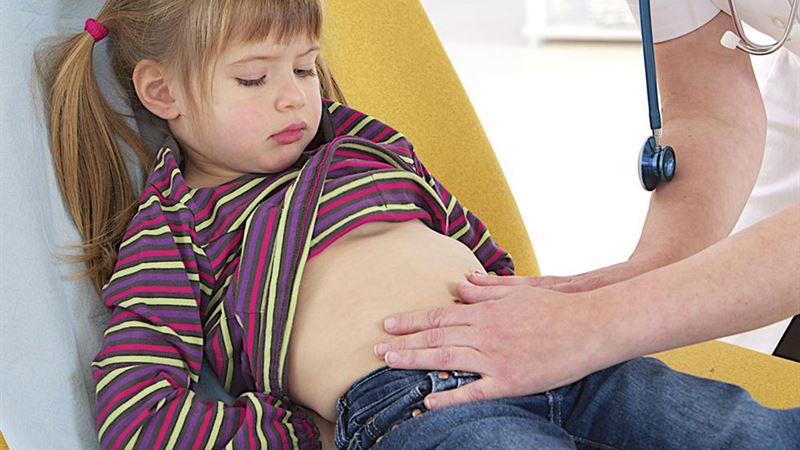
Early detection is crucial. In young children, kidney infections may not present as pronounced symptoms. However, parents should be vigilant for signs such as foul-smelling, cloudy urine, and discomfort during urination. Other symptoms include persistent fever, back pain or tenderness, abdominal pain, nausea, vomiting, and unexplained fatigue. In some cases, children may exhibit irritability or refuse to eat. If your child shows any of these signs, prompt medical consultation is essential for diagnosis and treatment.
Preventive Measures to Reduce Kidney Infection Risks
Preventive strategies are straightforward and can be effectively employed by parents and caregivers. These include maintaining good personal hygiene practices, such as cleaning the genital area thoroughly and correctly, wiping from front to back for girls, and ensuring regular diaper changes with proper sanitation. Using gentle, hypoallergenic cleansers, and avoiding harsh soaps, helps prevent skin irritation and bacterial colonization.
Encouraging children to stay well-hydrated, especially with water, helps wash out bacteria from the urinary tract. Dressing children in loose-fitting, breathable clothing reduces irritation and discomfort around the genital area. Teaching kids proper hygiene routines and ensuring they understand the importance of regular urination can significantly lower infection risks.
In addition, routine medical check-ups allow for early detection of anatomical abnormalities or other health issues related to the urinary system. For children with known risk factors, doctors might recommend prophylactic antibiotics or specific interventions.
While kidney infections are common, they are largely preventable with appropriate care. Recognizing early symptoms and seeking medical attention promptly ensures effective treatment, generally involving antibiotics, to prevent complications such as kidney damage or sepsis. Maintaining a proactive approach towards your child's urinary health is essential for their overall well-being and development.