
Comprehensive Guide to Planning Your Pregnancy: Optimal Timing and Health Tips
This detailed guide covers the essential aspects of planning pregnancy, emphasizing the importance of timing around ovulation, maintaining reproductive health, and adopting a healthy lifestyle. From understanding fertility windows to nutritional tips and lifestyle changes, it provides valuable insights for prospective parents aiming for a smooth conception process and a healthy pregnancy journey. Learn how to optimize your chances of conception by following expert advice on health checks, recognizing fertile periods, and making supportive lifestyle adjustments for a positive start to parenthood.
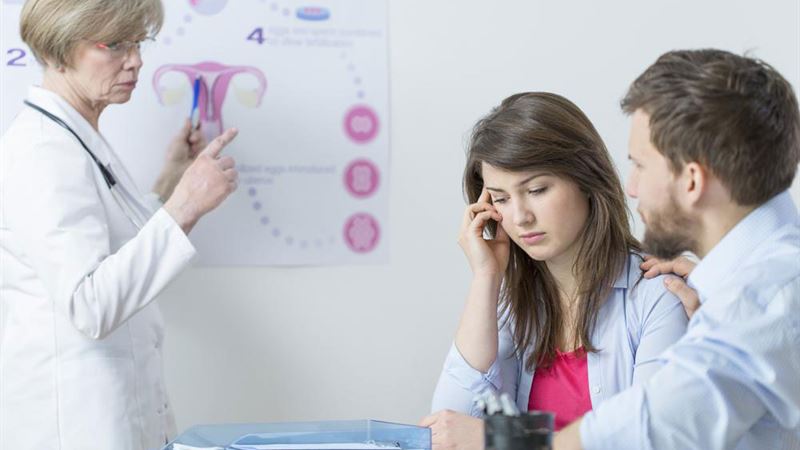
Embarking on the journey to parenthood requires careful planning and preparation. From understanding the best time to conceive to maintaining optimal reproductive health and adopting a nutritious lifestyle, every step plays a crucial role in ensuring a healthy pregnancy. This extensive guide aims to provide prospective parents with valuable insights into when to get pregnant, how to safeguard reproductive health, and lifestyle adjustments to enhance fertility and fetal development. Whether you're just starting to consider parenthood or actively trying to conceive, the following information is designed to help you navigate this exciting phase with confidence and clarity.
Identifying the Right Time for Conception
Achieving pregnancy at the right time significantly increases the likelihood of conception. The most fertile window for a woman occurs during ovulation, which is the release of an egg from the ovaries. Recognizing this window is crucial for couples trying to conceive naturally. Ovulation typically happens about two weeks after the first day of a woman's menstrual cycle, but this can vary from person to person. Tracking ovulation can be done using various methods, including ovulation predictor kits, basal body temperature monitoring, or observing changes in cervical mucus. Consulting a healthcare professional can also provide personalized guidance on determining the optimal time for conception. Engaging in unprotected intercourse during the ovulation period maximizes the chances of fertilization, making timing an essential aspect of preconception planning.
Achieving pregnancy at the right time significantly increases the likelihood of conception. The most fertile window for a woman occurs during ovulation, which is the release of an egg from the ovaries. Recognizing this window is crucial for couples trying to conceive naturally. Ovulation typically happens about two weeks after the first day of a woman's menstrual cycle, but this can vary from person to person. Tracking ovulation can be done using various methods, including ovulation predictor kits, basal body temperature monitoring, or observing changes in cervical mucus. Consulting a healthcare professional can also provide personalized guidance on determining the optimal time for conception. Engaging in unprotected intercourse during the ovulation period maximizes the chances of fertilization, making timing an essential aspect of preconception planning.
Maintaining Reproductive Health
Optimal reproductive health is fundamental for increasing the chances of conception and ensuring a healthy pregnancy outcome. Both partners should prioritize comprehensive health assessments before trying to conceive. For women, this includes regular gynecological examinations to monitor ovarian health, check for infections, and screen for reproductive conditions such as polycystic ovary syndrome (PCOS) or endometriosis. Men should undergo comprehensive testing for sexually transmitted infections (STIs), HIV, and other health issues that could affect fertility. Practicing safe sex and maintaining hygienic practices are essential for preventing infections. Both partners should aim for a lifestyle free from stressors and health-compromising habits, such as smoking or excessive alcohol consumption, which can impair fertility. Establishing a health baseline allows for early detection and management of potential issues, paving the way for a smoother conception process.
Optimal reproductive health is fundamental for increasing the chances of conception and ensuring a healthy pregnancy outcome. Both partners should prioritize comprehensive health assessments before trying to conceive. For women, this includes regular gynecological examinations to monitor ovarian health, check for infections, and screen for reproductive conditions such as polycystic ovary syndrome (PCOS) or endometriosis. Men should undergo comprehensive testing for sexually transmitted infections (STIs), HIV, and other health issues that could affect fertility. Practicing safe sex and maintaining hygienic practices are essential for preventing infections. Both partners should aim for a lifestyle free from stressors and health-compromising habits, such as smoking or excessive alcohol consumption, which can impair fertility. Establishing a health baseline allows for early detection and management of potential issues, paving the way for a smoother conception process.
Nutrition, Weight Management, and Lifestyle Modifications
Achieving a healthy weight and adopting a nutrient-rich diet are vital components in preconception health. Excessive weight or being underweight can both hinder fertility and increase pregnancy risks. Women should work towards reaching an ideal body mass index (BMI) through balanced nutrition and regular exercise. Incorporating a variety of fruits, vegetables, lean proteins, whole grains, and healthy fats supports fetal development and boosts overall health. Iron, folic acid, calcium, and vitamin D are particularly important nutrients for women planning pregnancy. Avoiding harmful substances such as tobacco, recreational drugs, and excessive alcohol intake is equally critical. Quitting smoking and limiting alcohol consumption can significantly improve the chances of conception and promote a healthier pregnancy. Additionally, managing stress through mindfulness practices, adequate sleep, and regular physical activity contributes to overall well-being and fertility. By making these lifestyle adjustments, couples not only enhance their fertility prospects but also lay the foundation for a healthy pregnancy and baby.
Achieving a healthy weight and adopting a nutrient-rich diet are vital components in preconception health. Excessive weight or being underweight can both hinder fertility and increase pregnancy risks. Women should work towards reaching an ideal body mass index (BMI) through balanced nutrition and regular exercise. Incorporating a variety of fruits, vegetables, lean proteins, whole grains, and healthy fats supports fetal development and boosts overall health. Iron, folic acid, calcium, and vitamin D are particularly important nutrients for women planning pregnancy. Avoiding harmful substances such as tobacco, recreational drugs, and excessive alcohol intake is equally critical. Quitting smoking and limiting alcohol consumption can significantly improve the chances of conception and promote a healthier pregnancy. Additionally, managing stress through mindfulness practices, adequate sleep, and regular physical activity contributes to overall well-being and fertility. By making these lifestyle adjustments, couples not only enhance their fertility prospects but also lay the foundation for a healthy pregnancy and baby.
Preparing for parenthood involves more than just timing; it requires a comprehensive approach to health, nutrition, and lifestyle. Early planning and proactive health management provide the best opportunities for a successful conception and a safe pregnancy. Couples should consult healthcare providers to discuss individual circumstances, conduct necessary screenings, and develop personalized plans. Remember that each individual’s fertility window and health profile are unique. Therefore, patience, positivity, and informed choices are essential throughout the preconception journey. With proper preparation, couples can increase their chances of conceiving naturally, enjoy a healthier pregnancy, and ultimately welcome a healthy baby into their lives.