
Comprehensive Guide on Paper Towels: Types, Uses, and Innovative Applications
This comprehensive guide explores the different types of paper towels, their primary uses in households and commercial spaces, innovative applications in gardening, and tips for reducing waste. Learn how to choose the right paper towel for your needs, understand their manufacturing differences, and discover eco-friendly practices to promote sustainability. Whether for cleaning or gardening, this article provides valuable insights into making the most out of this versatile everyday product, emphasizing efficiency and environmental consciousness.
Understanding the Different Varieties of Paper Towels
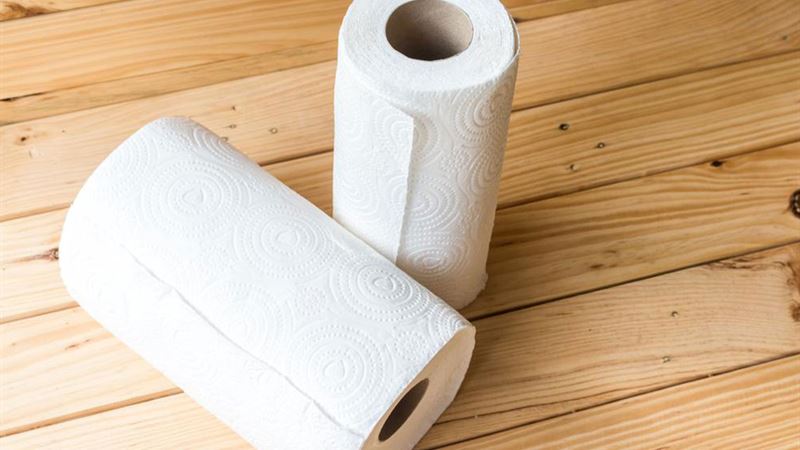
Paper towels have become an essential item in households, restaurants, and various commercial settings worldwide. Their versatility and convenience make them an indispensable part of daily life. Primarily, paper towels are categorized into two main types based on their packaging and intended usage: rolled and folded. Each type offers unique benefits suited to different environments and needs.
Rolled paper towels are typically housed in dispensers and are predominantly used in restrooms and public facilities. They are characteristically designed for quick, one-handed dispensing, reducing waste and promoting hygiene. The rolled format allows for continuous use without the need for handling multiple sheets directly, thus maintaining cleanliness and efficiency.
On the other hand, folded paper towels are crafted for use in kitchens and dining establishments. Available as multis fold (also known as concertina fold) or bi-fold, these towels are easily accessible and ideal for wiping surfaces or drying hands. Studies have indicated that folded towels are used significantly more than rolled towels in culinary and hospitality settings, making them a preferred choice for many businesses.
Interestingly, research suggests that increasing the utilization of rolled towels over folded types could minimize paper wastage by approximately 25% to 30%. This insight encourages more sustainable practices in the use of paper towels, helping to reduce the environmental footprint.
Manufacturing processes also distinguish between different kinds of paper towels. The most common are bleached and unbleached variants. White paper towels undergo bleaching processes, using either natural substances or chemicals, to achieve their pure appearance. Conversely, light brown or kraft paper towels remain unbleached or semi-bleached, which is often considered more eco-friendly and sustainable.
Beyond cleaning and hygiene, paper towels serve several innovative purposes, including in the realm of gardening and plant care. Their absorbent nature makes them suitable for sprouting seeds, nurturing young saplings, and moisture management in plant care. This adaptability underscores the importance and multifunctionality of paper towels in daily life.
In the context of gardening, paper towels can be effectively used for sprouting seeds. To do this, fold a paper towel into quarters, spray it with water to attain a damp but not soaked state, and then open the final fold. Place seeds on one-half of the towel, ensuring enough space between each seed to allow unimpeded sprouting. Fold the towel back and regularly spray water to keep the environment moist but avoid waterlogging. The germination time varies depending on the seed type, but this method provides a simple, cost-effective way to start plants indoors or in controlled environments.
Overall, paper towels are more than just cleaning products; they are versatile tools supporting various daily activities, from sanitation to gardening. They are readily available at departmental stores, supermarkets, and online retail outlets, offering a broad spectrum of options in terms of quality, absorbency, and eco-friendliness. As their uses expand, understanding the different types and applications can help consumers choose the most suitable options for their needs, promoting efficiency and sustainability at home and in business settings.