
Natural Okra-Based Approaches for Managing Diabetes and Blood Sugar Levels
Explore how natural okra treatments can aid in controlling blood sugar levels. Learn simple methods like soaking okra overnight and understand the science behind its benefits. This comprehensive guide emphasizes safe, complementary approaches to diabetes management with a focus on natural dietary solutions.
Discover the Natural Power of Okra in Controlling Diabetes
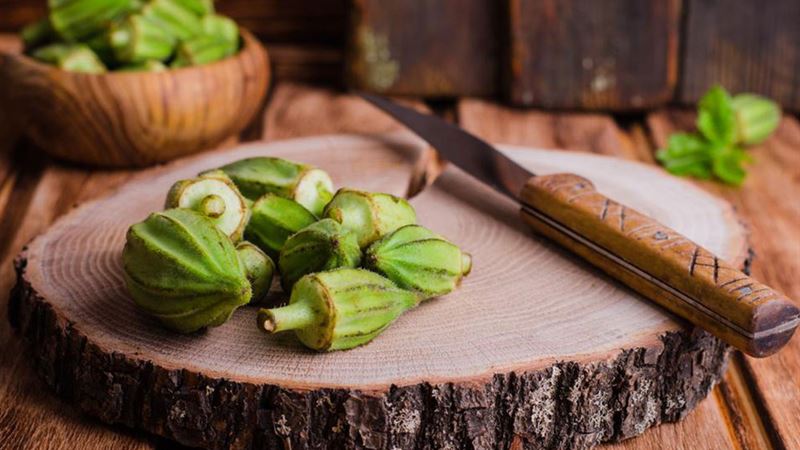
The Traditional Practice of Soaking Okra for Blood Sugar Control
How to Prepare Okra for Blood Sugar Management
One of the most straightforward and widely recommended natural remedies involves a simple daily routine with okra. The process is as follows:
- Take 4 to 5 fresh okra pods.
- Trim the head and tail ends of each pod.
- Cut each pod lengthwise to create a vertical split.
- Place the sliced okra in a glass or bowl filled with water.
- Cover the container and leave it undisturbed overnight at room temperature.
- The next morning, consume the water infused with the okra's natural juices before breakfast.
Repeat this process daily to maintain consistency and observe its effects on blood sugar levels. Many users report noticeable improvements, and some have been able to reduce or discontinue their diabetic medications under medical supervision after incorporating this routine.
The Impact of Okra on Blood Sugar Levels
Regularly sipping the water soaked with okra may help in lowering blood glucose levels. The mechanism behind this involves the high fiber content in okra, which assists in slowing down sugar absorption from the digestive tract. Additionally, okra's natural compounds may have properties that inhibit glucose absorption, acting as a form of dietary fiber that moderates blood sugar spikes.
Scientific Insights into Okra’s Medicinal Properties
Laboratory studies, primarily on animal models like rats, have demonstrated that okra possesses hypoglycemic properties. The soluble fiber present in okra can form a gel-like substance in the digestive system, which is believed to interfere with carbohydrate metabolism. Although conclusive human trials are limited, initial research supports the traditional use of okra as a complementary treatment in managing diabetes.
Furthermore, the seeds of okra are also studied for their potential benefits, containing compounds that may contribute to blood sugar regulation. These properties make okra a promising natural adjunct for those seeking plant-based ways to control their condition.
Additional Tips for Incorporating Okra Into Your Diet
- Cook okra lightly by steaming, boiling, or stir-frying to retain its beneficial properties.
- Incorporate okra into soups, stews, and salads for added fiber.
- Use dried okra powder as a supplement or spice to enhance dietary fiber intake.
Precautions and Important Considerations
While natural remedies like okra soaking are generally safe for most people, it is crucial to approach these treatments with caution, especially if you are currently on medication for diabetes. The efficacy of okra in significantly lowering blood sugar should be monitored with regular testing to prevent hypoglycemia or other complications.
Consult your healthcare provider before initiating any new dietary regimen or supplement, particularly if you are pregnant, nursing, or have other underlying health conditions. For individuals with pre-diabetes or early-stage diabetes, integrating okra into a balanced diet may prove beneficial as part of a comprehensive health plan.
Remember, natural remedies should complement, not replace, prescribed medications unless advised by a healthcare professional. Maintaining a healthy diet, engaging in regular physical activity, and adhering to medical advice remain the cornerstone of effective diabetes management.