
Ultimate Guide to NCAA Tournament: Schedule, Brackets, and How to Participate
Discover the comprehensive guide to NCAA March Madness, including tournament schedule, bracket filling tips, seeding information, betting trends, and key dates. Learn how fans participate both at home and in workplaces, with insights into the structure of the competition and game venues. Dive into the excitement of one of the biggest sporting events of the year and enhance your viewing and betting experience with expert tips and detailed explanations.
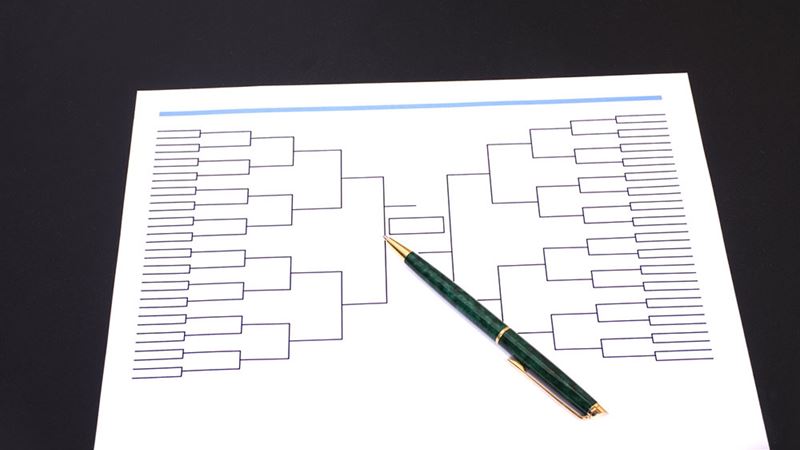
Mastering the Art of Bracket Filling If you're new to the excitement of March Madness, understanding how to fill out a bracket is essential. The process involves predicting the winners of each matchup in the NCAA tournament, culminating in a champion. While the odds of creating a perfect bracket are astronomically low—approximately 1 in 9.2 quintillion—the thrill of the unpredictable makes it worthwhile. The NCAA provides official brackets that fans can download, print, and fill manually or complete digitally through their website. Participating in office pools, online competitions, or casual friendly challenges adds to the fun. Watching the tournament unfold live gives you real-time feedback, making your predictions more engaging.
The tournament features single-elimination games, meaning each matchup is do-or-die. If a team wins, they advance to the next stage; if they lose, they are out of the competition. This structure amplifies the excitement, as underdog victories and upsets are not uncommon, leading to dramatic shifts in the brackets and surprising results.
Understanding the Seedings and Tournament Structure Seedings play a crucial role in structuring the tournament. A total of 32 teams secure automatic bids by winning their respective conference championships, with the NCAA committee assigning them seeds from 1 to 16 based on their performance, strength, and rankings. Seeds are used to determine matchups—the lower the seed number, the stronger the team. The top four teams in each region are designated as the No. 1 seeds, playing against the lowest seeds in their region, with the path to advancing carefully mapped out during Selection Sunday. The four regions for the men’s tournament are generally named East, West, South, and Midwest, each containing eight teams. The women’s tournament follows a similar format with its own set of regional brackets.
This year, prominent top seeds include UConn, Houston, Purdue, and North Carolina for the men's side, while South Carolina, Iowa, USC, and Texas are the leading seeds for the women. These matchups are highly anticipated and set the stage for exciting competition.
Financial Aspects and Viewer Engagement The NCAA tournament is not only a showcase of athletic talent but also a major financial event. According to Forbes, in the previous year, approximately $15.5 billion was wagered on the outcomes of 134 games through legal sports betting, office pools, personal bets, and unlicensed venues. Betting is a significant part of the viewing experience, bringing fans closer to the action and adding an extra layer of excitement.
Additionally, around 63% of office workers participate in bracket pools with colleagues, despite the staggeringly low probability of predicting all game outcomes correctly. During tournament weeks, it is common for workplaces to see increased activity, with many employees watching games during work hours. Surveys indicate that over half of employees (51%) watch the tournament at the workplace, while 74% of hybrid workers and 61% of remote employees follow the games from their respective locations. It’s also estimated that nearly 19% of workers have admitted to calling in sick during March Madness to catch the action.
Fans consume the games across multiple devices: 44% watch on computers, 23% on smartphones, and 10% on office televisions shared among colleagues. The tournament's popularity extends beyond the game itself, with social media buzz, betting trends, and office pool competitions enhancing the overall experience.
Schedule and Key Dates of the Tournament The tournament spans over three weekends, with several key stages guiding the progression of teams. It begins with the announcement of the full bracket on Selection Sunday, where all participating teams and seedings are revealed. Following this opening, the tournament progresses through various rounds: First Four, First Round, Second Round, Sweet 16, Elite Eight, and Final Four, culminating in the championship game.
The final stages are hosted at iconic venues, with the men’s Final Four and championship game taking place at State Farm Stadium near Phoenix, Arizona. The women’s Final Four and championship are slated at Rocket Mortgage Fieldhouse in Cleveland, Ohio—marking Cleveland’s first time hosting a female tournament final, making it an exciting milestone for the city and teams involved.
The tournament schedule is carefully planned to maximize excitement, with game times announced well in advance to accommodate broadcasts, betting, and fan engagement. Fans are encouraged to follow the official NCAA updates for the latest schedules and ticket information, ensuring they don’t miss their favorite matchups.
In conclusion, the NCAA tournament stands as a pinnacle of college basketball, combining athletic excellence, strategic bracket competition, and lively fan participation. Whether you’re filling out a bracket for fun, placing bets, or simply enjoying the games, understanding the structure, seeds, and key dates enhances your viewing pleasure. Prepare yourself for an exhilarating few weeks of basketball drama, unforgettable moments, and surprises that only March Madness can deliver.