
Holistic Approaches to Managing Enlarged Prostate Naturally
Explore comprehensive natural strategies to manage an enlarged prostate effectively. Learn about lifestyle changes, dietary recommendations, and herbal remedies that promote prostate health, potentially reducing symptoms without side effects. This guide emphasizes holistic approaches suitable for early and moderate stages, supporting overall well-being and urinary function. Consulting healthcare professionals for personalized advice remains crucial, especially in advanced cases requiring medical intervention. Embrace natural therapies confidently to improve quality of life and maintain prostate vitality through proven, safe methods.
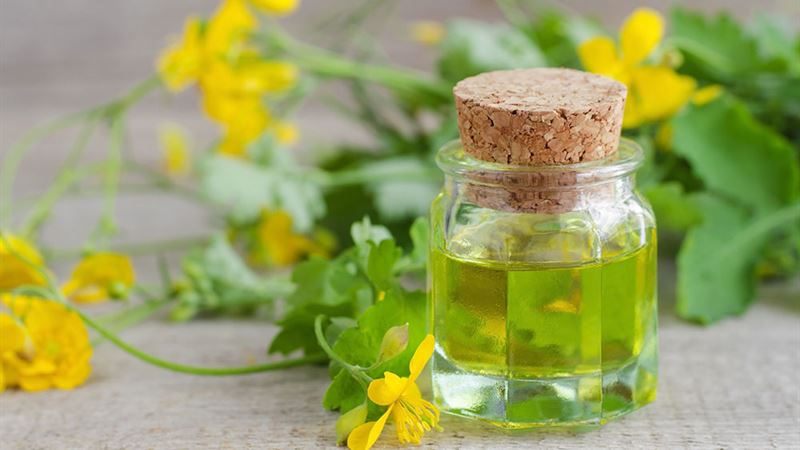
When considering natural treatments for prostate enlargement, it's essential to evaluate each option carefully. These methods focus on addressing underlying issues and promoting overall prostate health without the adverse effects associated with pharmaceutical drugs. This comprehensive guide explores lifestyle adjustments, dietary changes, herbal supplements, and other natural therapies that can help manage BPH symptoms effectively.
Emphasizing Lifestyle Changes
One of the most effective ways to manage an enlarged prostate is through comprehensive lifestyle modifications. These changes not only alleviate symptoms but also contribute to overall health and well-being. Here's an in-depth look at natural lifestyle strategies to support prostate health:
- Achieve and maintain a healthy weight: Excess body weight can exacerbate prostate enlargement. Adopting a balanced diet combined with regular physical activity helps shed extra pounds, reducing pressure on the urinary system.
- Adopt a nutrient-rich diet: Incorporate foods high in antioxidants, such as berries, citrus fruits, and green leafy vegetables. These nutrients combat oxidative stress, which can worsen prostate conditions.
- Increase intake of fruits, vegetables, and whole grains: A diet filled with fresh produce and fiber supports urinary health and helps prevent inflammation.
- Consume specific prostate-friendly foods: Emphasize tomatoes (rich in lycopene), leafy greens, and cruciferous vegetables like broccoli and cauliflower.
- Include phytoestrogen-rich foods: Foods containing plant-based estrogens, such as soy products, chickpeas, alfalfa, and fava beans, may help balance hormone levels and support prostate health.
- Avoid processed and red meats: Limit intake of starchy refined foods, red meats, and processed snacks, which can promote inflammation.
- Limit and monitor alcohol and caffeine intake: Excessive alcohol consumption can irritate the bladder, while caffeine can worsen urinary symptoms. Aim to keep alcohol to a maximum of two drinks daily and reduce caffeine consumption.
- Practice hydration management: Stay adequately hydrated by drinking at least two liters of water daily but reduce water intake right before sleeping to minimize nighttime urination.
- Engage in regular physical activity: Daily walking, aerobic exercises, and strength training improve blood circulation and reduce prostate size over time.
- Incorporate stress-reduction techniques: Yoga, meditation, and deep breathing exercises can reduce stress and improve urinary symptoms by lowering inflammation levels.
Herbal and Natural Supplements
Numerous herbal remedies have demonstrated potential benefits for prostate health. These natural compounds are often used as complementary treatments to reduce symptoms and improve quality of life.
- Saw Palmetto: Among the most well-known herbal therapies, saw palmetto extract has shown efficacy in alleviating urinary symptoms caused by BPH. It helps inhibit dihydrotestosterone (DHT), a hormone linked to prostate growth.
- Red Clover: Rich in antioxidants, red clover contains isoflavones that may help prevent prostate enlargement and protect against prostate cancer.
- Pygeum: Derived from the bark of the African cherry tree, pygeum contains fatty acids and sterols like beta-sitosterol, which exert anti-inflammatory effects. Typical dosages of 100-200 mg twice daily can significantly reduce urinary symptoms.
- Stinging Nettle: This herbal remedy, often used with saw palmetto, contains compounds with anti-inflammatory properties that support prostate health and reduce bladder outlet obstruction.
- Zi-Shen Pill (ZSP): A traditional Chinese herbal formulation combining multiple plant species, including cinnamon, designed to relieve prostate symptoms and improve urinary function.
- Zinc Supplementation: Zinc plays a vital role in maintaining prostate health. Deficiencies are linked to prostate enlargement. Supplementing with 50-100 mg of zinc daily, or ensuring adequate intake through diet (seafood, seeds, nuts), can help normalize prostate size and function.
- Rye Grass Pollen Extract: Made from grasses such as rye, corn, and Timothy, this extract has been shown to alleviate urinary symptoms associated with BPH.
- Lycopene: A potent antioxidant found in red fruits and vegetables like watermelon, tomatoes, and pink grapefruit. Regular consumption may slow prostate enlargement progression and reduce cancer risk.
- Pumpkin Seeds: Containing beta-sitosterol, pumpkin seeds improve urine flow and reduce residual urine in the bladder.
- Green Tea: Loaded with antioxidants called catechins, green tea supports immune health and has protective effects on the prostate.
These natural approaches can be integrated into daily routines to help manage and reduce prostate-related discomfort. Combining dietary adjustments with herbal supplements creates a comprehensive strategy for maintaining prostate health and preventing further enlargement or complications.