
Effective Natural Strategies to Alleviate Arthritis Pain
Discover comprehensive natural remedies to manage arthritis pain effectively. This guide explores exercise, thermal therapies, diet, and herbal solutions, offering safe and holistic approaches to improving joint health and reducing discomfort without medication. Empower yourself with proven techniques and expert advice to live more comfortably despite arthritis.
Thermal Therapy: Cold and Hot Treatments
One of the most accessible and effective home remedies for arthritis pain relief involves thermal therapy using cold and heat. Cold treatments work by constricting blood vessels, which reduces inflammation, swelling, and pain in affected joints. An ice pack is a common method—wrap it in a cloth before applying it to the affected area to prevent frostbite. Alternatively, frozen vegetables in a bag can serve as a makeshift cold pack. Limit cold therapy sessions to 15-20 minutes to avoid skin damage.
Hot therapy, on the other hand, promotes muscle relaxation and joint lubrication. Using a heating pad, taking warm showers, or soaking in warm baths can ease stiffness and improve mobility. Electric blankets are also useful at night for preventing joint pain and ensuring restful sleep. Always be cautious to avoid burns when using heat therapies and consult your healthcare provider for personalized advice.
Mind-Body Techniques: Meditation and Relaxation
Meditation and mindfulness practices are increasingly recognized for their ability to reduce arthritis-related pain. While some skeptics doubt their effectiveness, many with chronic joint pain attest to their benefits. These techniques work by lowering stress levels, which in turn can decrease inflammation and pain perception. Regular meditation sessions, deep breathing exercises, yoga, and guided imagery can be incorporated into daily routines. Additionally, meditation helps alleviate anxiety and depression associated with chronic arthritis, enhancing overall mental health.
Optimal Nutrition for Joint Health
Eating a balanced, anti-inflammatory diet is fundamental in managing arthritis symptoms. Avoid foods rich in sugar, saturated fats, processed ingredients, and excessive salt, as these can worsen inflammation, increase cardiovascular risk, and exacerbate joint pain. Instead, focus on plant-based meals rich in fruits, vegetables, nuts, seeds, and whole grains. These foods provide antioxidants and phytochemicals that neutralize free radicals, reducing oxidative stress and inflammation. Incorporating omega-3 fatty acids from sources like flaxseed, chia seeds, and fatty fish further supports joint health. Proper nutrition also aids weight management, which decreases stress on weight-bearing joints.
Nature’s Anti-Inflammatory Spices: Turmeric
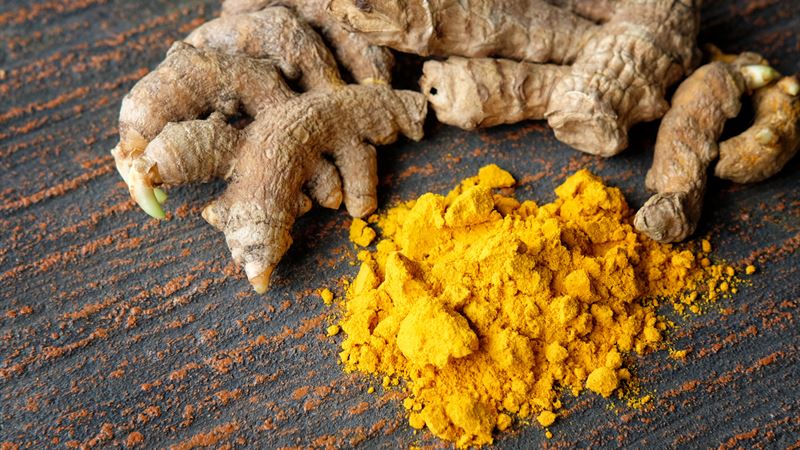
Turmeric is a potent natural remedy celebrated for its anti-inflammatory and antioxidant properties, primarily due to its active compound, curcumin. Scientific studies have shown that curcumin can help diminish joint inflammation, reduce pain, and improve mobility in arthritis sufferers. Adding a pinch of turmeric to your meals, smoothies, or teas can be an easy way to harness its benefits without side effects. For enhanced absorption, combining turmeric with black pepper or consuming it with a small amount of healthy fats can improve its bioavailability.
Capsaicin: The Pain-Relief Compound in Chili Peppers
Capsaicin, found in chili peppers, is renowned for its ability to reduce pain through the depletion of substance P, a neuropeptide involved in transmitting pain signals. Topical applications like creams, gels, and patches containing capsaicin are popular among arthritis patients. Regular use can diminish joint tenderness and improve comfort levels. It’s advisable to perform a patch test before extensive use to check for allergic reactions. Though generally safe, consult your healthcare provider for personalized recommendations, especially if you have sensitive skin or other health conditions.
Massage Therapy for Joint Comfort
Professional massage can be a highly effective method to ease arthritis pain. Massages improve blood circulation, relax tense muscles, and alleviate joint stiffness. Targeted massage techniques performed by trained therapists can improve joint function and overall well-being. When considering self-massage or at-home techniques, learn from a qualified therapist to ensure proper methods and avoid aggravating sensitive joints. Additionally, massage can help reduce stress and promote better sleep, both of which are crucial for managing chronic pain conditions.
Herbal Supplements: Complementary Pain Management
Several herbal supplements have been traditionally used for arthritis relief, though scientific evidence varies. Notable herbs include stinging nettle, ginkgo biloba, devil’s claw, bromelain (found in pineapple), and Boswellia. These herbs are believed to possess anti-inflammatory, analgesic, and joint-protective properties. It is vital to consult your healthcare provider before starting any herbal regimen, as interactions with medications or underlying health issues can occur. Combining herbal remedies cautiously with conventional treatments may enhance symptom management, but caution and medical supervision are paramount.
In summary, integrating multiple natural therapies—such as proper exercise, thermal treatments, dietary adjustments, and herbal supplements—can provide significant relief from arthritis discomfort. Always seek guidance from healthcare professionals to develop a tailored approach suited to your specific condition and needs.