
Effective Natural Strategies to Lower Cholesterol Naturally
Discover comprehensive natural methods to effectively lower bad LDL cholesterol and boost good HDL levels. This detailed guide covers dietary changes, exercise routines, and lifestyle habits to promote heart health. By adopting these scientifically supported approaches, you can reduce your risk of cardiovascular disease, maintain balanced cholesterol levels, and enjoy improved overall well-being. Professional consultation is recommended to personalize strategies. Take control of your heart health today with practical, natural tips for a healthier life.
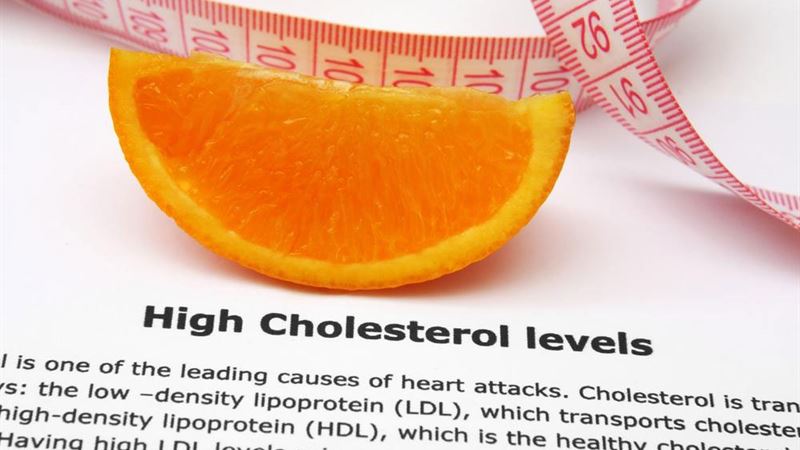
Cholesterol is a waxy, fat-like substance that naturally occurs in your body. It plays essential roles in hormone production, vitamin D synthesis, and cell membrane integrity. However, when cholesterol levels become unbalanced—especially when LDL (low-density lipoprotein) exceeds healthy limits—it starts to deposit in the walls of arteries, forming plaques that impair blood flow. These blockages are a leading cause of heart attacks and strokes. Conversely, HDL (high-density lipoprotein) functions differently by removing excess cholesterol from arteries and transporting it back to the liver for processing and elimination.
Understanding the types of cholesterol and their roles is vital for tailoring effective management strategies. While some cholesterol is necessary, excess LDL cholesterol can be harmful, especially when it becomes oxidized by free radicals, making it more likely to contribute to arterial plaque formation. Therefore, reducing LDL cholesterol and increasing HDL levels through natural methods can improve heart health and potentially reverse early signs of arterial damage.
So, what are the most effective natural approaches to lowering cholesterol? Here, we’ll explore dietary modifications, physical activity, and other lifestyle factors that have been scientifically validated to promote healthier cholesterol levels. Implementing these strategies can be a safe, cost-effective, and sustainable path toward cardiovascular wellness.
Prioritize Healthy Fats: Emphasize Monounsaturated and Polyunsaturated Fats
The type of fats you consume greatly impacts your cholesterol profile. While excessive intake of saturated and trans fats can elevate LDL cholesterol and increase heart disease risk, replacing them with healthier fats offers remarkable benefits. Focus on incorporating monounsaturated and polyunsaturated fats into your diet—these fats have been shown to lower harmful LDL cholesterol while maintaining or even increasing beneficial HDL cholesterol.
Monounsaturated Fats: Your Heart’s Ally
Monounsaturated fats contain only one double bond in their chemical structure, making them less susceptible to oxidation and more heart-friendly. Numerous studies demonstrate that a diet rich in monounsaturated fats can lead to considerable reductions in LDL cholesterol levels without sacrificing HDL cholesterol. This type of fatty acid also helps prevent oxidative damage to arteries, which is pivotal in managing cardiovascular risk.
The best sources of monounsaturated fats include:
- Avocado—rich in monounsaturated fats, avocados are also packed with fiber and antioxidants.
- Olive Oil—extra virgin olive oil is renowned for its cardiovascular benefits and is a fundamental component of the Mediterranean diet.
- Tree Nuts—walnuts, almonds, pecans, hazelnuts, and cashews offer healthy fats alongside fiber and essential nutrients.
- Canola Oil—widely used in cooking, it provides healthy monounsaturated fats with a neutral flavor.
Polyunsaturated Fats and Omega-3 Fatty Acids
Polyunsaturated fats are characterized by multiple double bonds, which influence how they are metabolized. Among these, omega-3 fatty acids are particularly beneficial for cardiovascular health. These fats help reduce LDL cholesterol, lower blood triglycerides, reduce inflammation, and enhance arterial elasticity.
Sources rich in omega-3s include:
- Fatty Fish—salmon, mackerel, sardines, herring, and deep-sea tuna provide high concentrations of omega-3s.
- Seafood—shrimp and other shellfish contain some omega-3 content.
- Fish Oil Supplements—an alternative for those who do not consume enough fish.
Eliminate Trans Fats from Your Diet
Trans fats are artificially created through hydrogenation—a process that solidifies vegetable oils to improve shelf life and texture in processed foods. Unfortunately, trans fats are highly detrimental to cardiovascular health. They not only raise LDL cholesterol but also decrease HDL cholesterol, significantly increasing the risk of heart disease.
Foods containing trans fats include margarine spreads, baked goods, fried foods, and packaged snacks. Since they are often hidden in processed foods, vigilant reading of ingredient labels is necessary to avoid trans fats effectively. Limiting or eliminating trans fats can lead to rapid improvements in cholesterol profiles and overall heart health.
The Power of Regular Exercise
Physical activity stands as one of the most potent natural methods to improve cholesterol levels. Regular exercise enhances cardiovascular fitness, promotes weight control, and beneficially alters lipid profiles by lowering LDL and raising HDL cholesterol. Exercise also reduces inflammation and improves blood vessel function, which plays a vital role in preventing arterial plaque formation.
Sessions of moderate to vigorous activity—such as brisk walking, cycling, swimming, or aerobic classes—are particularly effective. Aim for at least 150 minutes of moderate-intensity aerobic activity per week, complemented by resistance training twice weekly. High-intensity interval training (HIIT) has also shown promising results in improving lipid profiles, especially in overweight and obese individuals.
Research indicates that just 12 weeks of combined aerobic and resistance training can significantly lower harmful LDL cholesterol and boost protective HDL cholesterol. The key is consistency; longer durations and higher intensities yield more substantial gains. Remember to consult your healthcare provider before starting any new exercise program, especially if you have existing health conditions.
Incorporate Soluble Fiber and Plant Sterols
Dietary fiber, especially soluble fiber, is a powerful natural agent for managing cholesterol. Soluble fiber binds to cholesterol molecules in the digestive system, preventing their absorption into the bloodstream. As a result, consuming fiber-rich foods can lower LDL levels effectively.
Excellent sources of soluble fiber include oats, barley, legumes, apples, oranges, and carrots. In addition, plant sterols—naturally occurring compounds found in nuts, seeds, vegetables, and fruits—can interfere with cholesterol absorption, leading to decreased LDL cholesterol levels.
Supplements containing plant sterols are also available and can be incorporated into a cholesterol-lowering regimen, especially for individuals with persistent high LDL levels. Combining high-fiber foods and plant sterol supplementation with other lifestyle modifications offers a comprehensive approach to cholesterol management.
Adopt a Heart-Healthy Lifestyle
Beyond diet and exercise, other lifestyle choices play critical roles in maintaining healthy cholesterol levels. Quitting smoking reduces arterial damage and inflammation, which are interconnected with lipid imbalances. Managing stress through mindfulness, meditation, or hobbies can prevent stress-induced hormonal changes that negatively impact cholesterol levels.
Sufficient sleep, maintaining a healthy weight, limiting alcohol intake, and regular health screenings are essential components of a holistic approach. These measures, combined with dietary and physical activity strategies, foster a resilient cardiovascular system.
Consult Your Healthcare Provider Before Making Major Changes
While natural methods can offer significant benefits, it’s important to work closely with your healthcare professional before implementing substantial dietary or lifestyle changes. Blood tests can accurately determine your cholesterol profile, and your doctor can guide you on safe and effective strategies tailored to your individual needs. In some cases, medication may still be necessary, alongside lifestyle modifications, for optimal results.
In conclusion, managing cholesterol naturally is entirely achievable through informed dietary choices, regular exercise, and healthy lifestyle habits. By understanding the impact of different fats, minimizing trans fats, increasing soluble fiber, and staying active, you can significantly reduce your risk of heart disease and improve your overall quality of life. Discipline, consistency, and professional guidance are your best tools on this journey toward better heart health.