
Comprehensive Guide to Recognizing and Managing Migraine Symptoms
This comprehensive guide delves into the symptoms, causes, and types of migraines, highlighting essential strategies for recognition and management. It emphasizes lifestyle adjustments, natural remedies, and medical interventions necessary for effective relief and prevention of migraine attacks, empowering sufferers with vital knowledge to improve their quality of life.
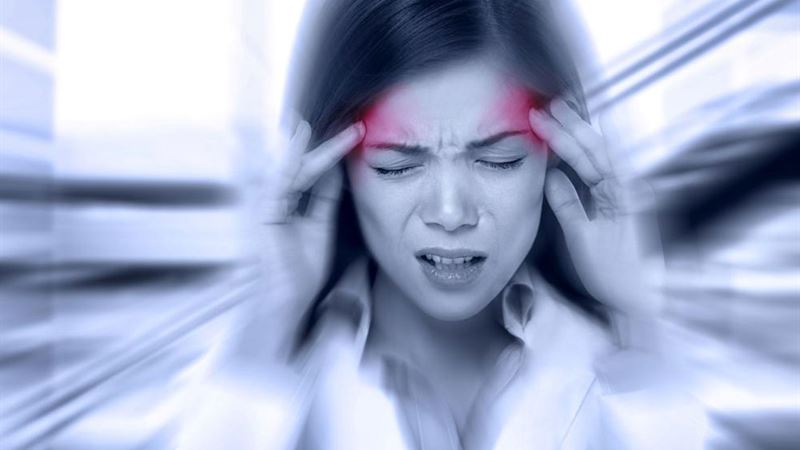
Understanding the Causes of Migraines
Migraines are complex neurological events influenced by a variety of internal and external factors. Common triggers include hormonal fluctuations, dietary choices, lifestyle habits, and environmental influences. For example, hormonal changes during menstruation, stress, dehydration, and irregular sleep patterns can all increase the likelihood of experiencing a migraine. Additionally, certain foods such as processed meats, aged cheeses, caffeine, alcohol, nuts, and chocolates are known to provoke episodes in susceptible individuals. Smoking and exposure to strong smells or bright lights can also act as catalysts. Recognizing these triggers is crucial in managing and preventing migraine attacks effectively.
Differentiating Migraine from Other Headaches
While headaches are common, migraines are distinguished by their severity and accompanying symptoms. Unlike tension headaches, which tend to cause mild to moderate pain mostly in the forehead or temples and are often linked to stress or muscle strain, migraines present with intense, throbbing pain that can incapacitate sufferers. Key indicators that set migraines apart include:
- Severe, pulsating pain usually on one side of the head
- Nausea and recurrent vomiting
- Temporary loss of vision or visual disturbances such as flashing lights and spots
- Heightened sensitivity to light and sound, often prompting individuals to seek dark, quiet environments
- Disabling pain behind one eye or ear
These symptoms can persist from a few hours to several days, significantly impacting daily activities and quality of life.
Types of Migraines: With and Without Aura
Migraines are primarily categorized into two types. The first is the migraine with aura, characterized by sensory disturbances that precede the headache phase by approximately 30 minutes. These visual or sensory signals include seeing flashing lights, zigzag patterns, or experiencing tingling sensations. The second type lacks this warning phase and is referred to as migraine without aura. Recognizing the type can influence treatment strategies and preventative measures.
Prodromal Symptoms and Pre-attack Indicators
Many sufferers notice warning signs that appear days before a full-blown attack. These pre-migraine symptoms help in early identification and management, including:
- Stiffness or tension in the neck muscles
- Feeling unusually lethargic or fatigued
- Episodes of mood swings, depression, or irritability
- Changes in bowel habits, such as constipation
- Cravings for specific foods irregularly before the attack
- Frequent yawning, often a sign of impending migraine
Effective Strategies for Migraine Relief
Managing migraines involves both immediate relief and long-term prevention. Natural remedies and lifestyle adjustments play significant roles in mitigating symptoms. Hydration is vital; drinking ample water can sometimes reduce the intensity or frequency of attacks. Opting for a diet free from gluten and processed foods may help stabilize triggers. Aromatherapy using lavender oil has relaxing effects that can ease tension and reduce the likelihood of an attack. Medical consultation is essential to determine the specific type of migraine and appropriate medication. For infrequent migraines, over-the-counter pain relievers like NSAIDs may suffice. However, frequent or severe migraines often require prescription medications, including triptans, preventative drugs, or Botox treatments. Additionally, behavioral therapies such as biofeedback, stress management, and cognitive behavioral therapy can significantly improve quality of life.
In summary, understanding the root causes, recognizing early warning signs, and adopting personalized treatment plans are crucial steps in effectively managing migraines. Preventive measures, combined with appropriate medical intervention, can reduce their frequency and impact, allowing individuals to regain control over their lives.