
Effective Nutritional Strategies to Support Sustainable and Healthy Living
Discover comprehensive dietary strategies including low carb and high fiber plans that can transform your health. Learn about nutritious food choices, effective meal composition, and how these diets can help combat lifestyle diseases, improve digestion, and support sustainable living. Tailor your diet to achieve your personal health goals with expert-recommended tips on balancing macronutrients and enhancing overall wellness for a healthier future.
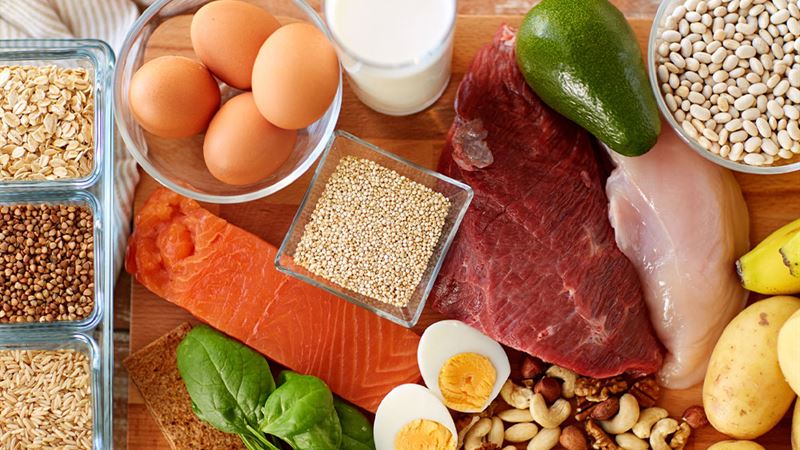
In today's fast-paced world, maintaining good health is more critical than ever. Many individuals struggle with lifestyle-related health issues such as obesity, diabetes, hypertension, and metabolic syndromes, often stemming from poor dietary choices, sedentary routines, inadequate sleep, and stress. The foundation of combating these health challenges lies in adopting effective dietary strategies tailored to individual needs. Implementing well-structured diet plans can significantly improve overall well-being, boost energy levels, and promote longevity. Whether you opt for low carbohydrate regimens, high-fiber diets, or balanced nutritional approaches, understanding the principles behind these plans can empower you to make smarter food choices and foster a healthier lifestyle.
Low Carbohydrate Diets: A Pathway to Better Health
A low carbohydrate diet is gaining popularity as an effective approach to weight management and controlling metabolic disorders. This dietary pattern emphasizes moderate to low consumption of carbs, particularly refined sugars and starches, while prioritizing proteins and healthy fats. By reducing intake of high glycemic foods, individuals can experience improved blood sugar control, weight reduction, and decreased risk of chronic diseases.
Sources of Dietary Carbohydrates
Carbohydrates are prevalent in a wide array of foods, including grains like wheat, rice, barley, and oats; starchy vegetables such as potatoes, sweet potatoes, and corn; legumes such as beans and peas; and most processed foods, including baked goods, sweets, chocolates, sweetened beverages, and desserts. Additionally, fruits and some dairy products contain natural sugars that contribute to carbohydrate intake. Recognizing these sources helps in making informed choices for reducing carbohydrate consumption.
Core Components of a Low Carb Diet Plan
In designing a low carb diet, the goal is to significantly decrease carbohydrate intake—typically to around 20-50 grams per day, depending on individual health goals and body weight. This restriction particularly targets white foods like white rice, white bread, potatoes, and sugary snacks. Instead, a focus is placed on increasing protein sources such as lean meats, fish, eggs, and dairy. Healthy fats from sources like olive oil, nuts, seeds, and avocados are encouraged to promote satiety and metabolic health.
Moreover, proper hydration is crucial—aiming for 8 to 12 glasses of water daily helps eliminate toxins and supports metabolic processes. When selecting fats, prioritize monounsaturated and polyunsaturated fats over saturated fats, which are associated with cardiovascular risks. Incorporating a variety of vegetables and some low-carb fruits ensures adequate fiber and micronutrient intake, supporting immune function and overall wellness.
Elevating Protein Intake for Better Outcomes
Unlike carbohydrate restriction, increasing protein consumption plays a vital role in a healthy low-carb diet. Adequate protein intake helps preserve muscle mass during weight loss, boosts metabolic rate, and promotes satiety—reducing overall calorie consumption. A typical recommendation is about half a gram of protein per pound of ideal body weight daily, tailored to individual needs.
Includes high-quality protein sources like poultry, fish, eggs, dairy, and plant-based options such as legumes and soy products. Combining proteins with raw, organic foods ensures maximum nutrient absorption. Using healthy cooking methods—grilling, steaming, or baking—can retain nutritional value and minimize added fats. Oils such as extra virgin olive oil, nuts, and seeds are healthier choices over butter and saturated fats.
High Fiber Diets: Enhancing Digestive and Overall Health
Dietary fiber is a cornerstone of healthy eating, providing numerous benefits including improved digestion, weight management, and reduction in the risk of chronic diseases such as heart disease and stroke. Being exclusively found in plant-based foods, fiber intake should be sufficient daily for optimal health outcomes. There are two main types of dietary fibers—insoluble and soluble—each offering unique benefits and sources.
Insoluble Fiber: The Digestive Regulator
This type of fiber does not dissolve in water and adds bulk to stool, facilitating regular bowel movements. It also helps prevent constipation and hemorrhoids. Common sources include whole wheat bread, bran cereals, whole grains, nuts, and seeds. Incorporating these foods into your diet ensures a consistent, healthy digestion cycle.
Soluble Fiber: Heart and Cholesterol Health
Soluble fiber dissolves in water, forming a gel-like substance that can help lower blood cholesterol levels and stabilize blood sugar. Increased intake may also ease symptoms of constipation and promote a feeling of fullness longer, aiding in weight control. Food sources include oats, barley, rye, fruits such as apples and bananas, root vegetables like carrots and potatoes, and legumes like beans and lentils.
For optimal health, aim for at least 30 grams of fiber daily, incorporating both insoluble and soluble types. Children’s fiber needs vary with age, generally increasing from 15 grams in toddlers to around 30 grams during adolescence. It’s advisable to increase fiber intake gradually to prevent bloating or digestive discomfort—this allows the gut to adapt healthily.
Implementing a high-fiber diet can make you feel fuller longer, thereby reducing calorie intake naturally. This dietary approach is effective for weight management, improved gastrointestinal health, and reduction of cardiovascular risks. When increasing fiber, prioritize whole, minimally processed foods and maintain adequate hydration to maximize benefits and prevent digestive issues.