
Essential Guidelines Before Purchasing a Pickup Truck
This comprehensive guide provides essential insights into selecting the right pickup truck. Covering configurations, performance, safety features, towing capacity, maintenance, and pricing, it helps buyers make informed decisions suited to their needs. Learn how to evaluate different truck types, choose the appropriate engine and transmission, understand safety equipment, and consider ownership costs. Perfect for new and seasoned buyers, this guide ensures you identify the best pickup truck to fit your lifestyle and workload, ensuring maximum value and reliability in your investment.
Evaluating Overall Performance
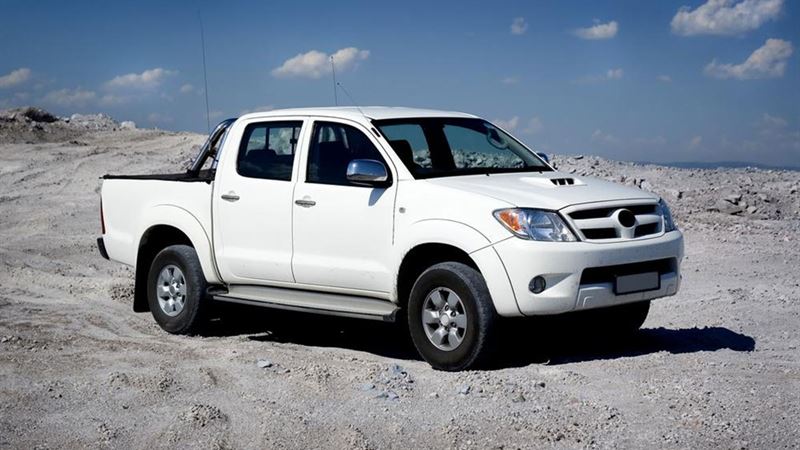
Full-size trucks are generally equipped with six-cylinder engines that balance power and fuel efficiency. However, many manufacturers favor eight-cylinder engines for their towing and payload capacities, even if this results in slightly reduced fuel economy. Diesel engines are gaining popularity among pickup truck buyers because they tend to offer better mileage and torque, especially for heavy-duty work. While gasoline engines are common, opting for a diesel model can be more economical in the long run, especially for frequent towing or hauling. When selecting a truck, consider your typical load size and whether fuel efficiency or towing capacity is your priority to find the right balance.Safety Features and Equipment
Modern pickup trucks come equipped with a comprehensive suite of safety features suited for both daily driving and long-distance hauling. Standard safety equipment often includes multiple airbags—front, side, and curtain airbags—designed to protect passengers during collisions. Vehicle stability control systems help maintain control during sharp turns or slippery conditions. Advanced safety technologies such as rearview cameras assist in reversing safely, while trailer sway control helps prevent accidents when towing heavy loads. Some trucks incorporate collision detection systems that alert drivers of potential hazards, enhancing safety during off-road adventures or cross-country trips. These safety innovations are vital for ensuring peace of mind on any journey.Transmission Options
The trend in modern pickup trucks is the reliance on automatic transmissions, with most offering six or eight speeds to improve driving comfort and fuel efficiency. Manual transmissions are now rare in new models, reserved mainly for enthusiast segments. Modern automatic transmissions are equipped with electronic control modules that optimize gear shifts according to driving conditions and load requirements. Additionally, many trucks feature electronic traction control systems and limited-slip differentials to enhance maneuverability in challenging terrains or adverse weather conditions, providing better grip and stability. When choosing a truck, consider the transmission type based on your driving style and intended use, as automatic transmissions typically require less effort and offer smoother operation.Towing Power and Payload Capacity
A fundamental purpose of pickup trucks is heavy-duty hauling. The engine's power output and the drivetrain's efficiency directly influence a truck's towing capacity. Modern trucks are capable of towing substantial weights, with top-tier full-size models able to handle up to 30,000 pounds when equipped appropriately. The actual towing capacity varies based on the truck's design, engine choice, and suspension system. It's essential to evaluate the maximum load you anticipate hauling, whether for trailers, boats, or construction materials, and select a truck that meets those needs without overstressing the vehicle. Proper hitching and routine maintenance of the towing components are also critical to ensure safety and vehicle longevity.Ownership Costs and Maintenance
Owning a pickup truck entails more than just the purchase price. Modern trucks tend to have complex, feature-rich designs, which can increase insurance premiums and maintenance costs. Specialized components such as advanced infotainment systems, upgraded chassis, and additional safety features contribute to higher initial and ongoing expenses. Routine maintenance includes oil changes, brake inspections, tire rotations, fluid replacements, and component checks, all vital to prolonging the truck's lifespan. Heavy-use applications like towing and off-road driving can accelerate wear and tear, necessitating more frequent repairs. Budgeting for these costs is essential when choosing a truck to ensure the vehicle remains reliable and efficient over its lifespan.Pricing and Market Trends
Prices for pickup trucks vary widely based on size, features, and capabilities. Entry-level compact models often start around $25,000 and are suitable for light-duty tasks or personal use. Mid-range light-duty trucks and heavy-duty variants can easily exceed $40,000, especially when equipped with upgraded features or advanced safety systems. The Dodge RAM is currently one of the most popular and trending pickup trucks in the market, known for its performance, comfort, and versatility. When buying a new truck, consider your budget and the specific features that align with your needs. Certified pre-owned options can also offer a cost-effective way to own a reliable vehicle with a warranty, often at a lower price point.