
Comprehensive Guide to Plumbing Solutions: Types, Expenses, and Advantages
This comprehensive guide explores various plumbing services, including distinctions between residential and commercial plumbing, typical costs, and the advantages of hiring professional plumbers. It highlights safety, efficiency, preventive maintenance, and other key benefits, equipping homeowners and business owners with essential knowledge to ensure their plumbing systems operate smoothly and safely. Regular maintenance and expert repairs can also save money in the long run, preventing serious issues before they develop into costly emergencies.
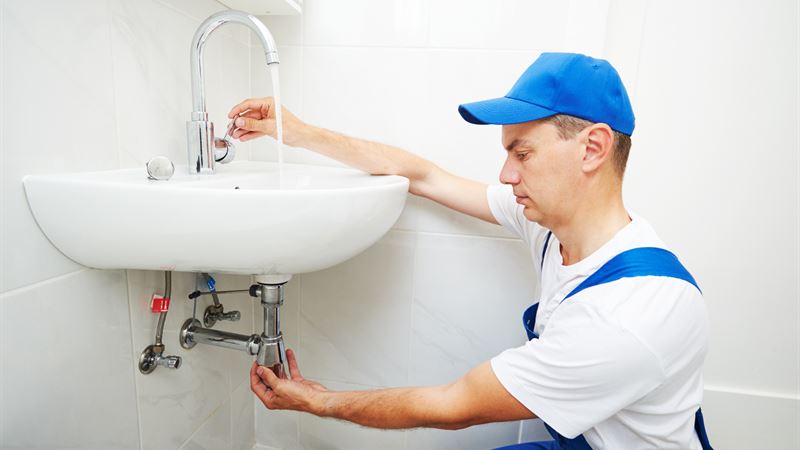
Plumbing is an essential aspect of any building, whether it is a residential home or a commercial establishment. Skilled plumbers are crucial for maintaining the functionality and safety of plumbing systems, which include water supply lines, drainage systems, waste disposal, and even gas lines. They are equipped to handle a broad spectrum of issues—from fixing leaks and clogged drains to complex installations and repairs involving appliances such as washing machines and dishwashers. Moreover, some plumbers possess licensure to work on gas pipelines, ensuring comprehensive service coverage.
Understanding the different types of plumbing services, associated costs, and their benefits can help property owners make informed decisions. Whether you need routine maintenance or emergency repairs, knowing what to expect can save time, money, and prevent potential hazards.
Types of Plumbing Services
Plumbing services generally fall into two primary categories: Commercial Plumbing and Residential Plumbing, each tailored to meet specific needs and environments.
Commercial Plumbing Services
Commercial plumbing involves servicing larger, more complex systems found in public and business facilities such as office buildings, hospitals, retail outlets, educational institutions, and industrial complexes. These systems contain multiple interconnected pipes, drainage fixtures, and appliances that require specialized skills and equipment to maintain. Commercial plumbers handle tasks such as installing extensive piping networks, repairing high-capacity water heaters, managing sewer line maintenance, and ensuring compliance with safety standards.
Unlike residential systems, commercial plumbing systems are more intricate, often involving multiple floors with numerous fixtures, including toilets, urinals, sinks, and water fountains. This complexity necessitates higher-grade, durable fixtures designed for heavy use, as well as expertise in managing large-scale plumbing infrastructure. Commercial plumbers often work during off-hours or weekends to minimize disruption to business operations.
Residential Plumbing Services
Residential plumbing service providers focus on maintaining and repairing plumbing systems within homes and small apartment complexes. These professionals address common issues such as water leaks, pipe blockages, drainage problems, water heater malfunctions, and sump pump repairs. Since residential plumbing networks are less complex, repairs and installations tend to be faster and simpler, although they require technical skills to ensure safety and durability.
Fixtures in residential plumbing—such as kitchen sinks, bathtubs, and laundry appliances—are generally smaller and less heavy-duty than those used in commercial settings. Residential plumbers tailor their services to individual households, often scheduling appointments during regular working hours but also offering emergency services outside normal hours when necessary.
Cost Analysis of Plumbing Services
The cost of hiring plumbing services varies depending on the type of service, the complexity of the issue, and the region. On average, commercial plumbing services tend to be more expensive, with hourly rates approximately $100, whereas residential services are often around $80 per hour. Several factors influence the total cost, including the plumber's experience, licensing, insurance, and the urgency of the work.
Factors Influencing Plumbing Costs
- Experience and Skill Level: More experienced plumbers command higher fees due to their expertise. Skilled professionals can accurately diagnose problems, complete repairs efficiently, and reduce the risk of recurring issues. Conversely, lower-cost options may lack the necessary experience, potentially leading to longer repair times or inadequate fixes.
- Licensing and Insurance: Always verify that a plumber holds valid licensing and insurance. Licensed plumbers have met specific standards and are qualified to perform complex repairs, while insurance protects you from liability if accidents occur during work.
- Timeliness and Emergency Services: Urgent repairs outside of normal working hours, especially during nights, weekends, or holidays, often involve additional charges. Emergency services may include premium rates, flat fees in addition to hourly rates, or after-hours surcharges, typically ranging from $100 to $350. Commercial plumbing jobs might require night shifts or work during off-hours to minimize business disruption, which can also elevate costs.
Advantages of Professional Plumbing Services
Engaging certified plumbers offers numerous benefits beyond just fixing immediate problems, including safety, efficiency, affordability, and preventative maintenance.
Enhanced Safety
Minor leaks or clogs might seem inconsequential initially, but they can lead to severe problems such as water damage, mold growth, or electrical hazards over time. Attempting DIY repairs on complex systems can also be dangerous, especially when dealing with gas lines or high-pressure water systems. Professional plumbers are trained to identify potential hazards and handle repairs safely, safeguarding your property and loved ones.
Specialized Tools and Techniques
Licensed plumbers utilize advanced tools and diagnostic equipment that are seldom available to homeowners. For example, video inspection cameras allow them to accurately locate blockages or damage within pipes without destructive methods. This precision reduces repair time and ensures effective resolution.
Cost-Effective Solutions
While hiring a professional might seem costly initially, it often proves more economical in the long run. Proper repairs prevent recurring issues and avoid exacerbating the problem through DIY attempts or inadequate fixes. Professionals complete work efficiently, saving time and preventing additional damage that could lead to more expensive repairs later.
Preventative Maintenance
Regular inspections by a licensed plumber can identify minor issues before they escalate. Routine drain inspections, pipe inspections, and appliance maintenance can help prevent major blockages, leaks, water pollution, and pipe failures. This proactive approach is especially critical for commercial buildings, multi-story apartments, and facilities where plumbing failure could disrupt operations or pose health risks. Regular maintenance prolongs the lifespan of plumbing infrastructure and reduces overall costs.
Summary
In summary, understanding the scope of plumbing services, associated costs, and the numerous benefits of professional intervention can significantly improve the longevity and safety of your systems. Whether for residential or commercial needs, hiring licensed, insured, and experienced plumbers ensures quality work, safety, and peace of mind. Regular maintenance and timely repairs safeguard your property and contribute to a healthier environment, making professional plumbing services a wise investment.