
Understanding the Pathology and Underlying Mechanisms of Asthma
Asthma is a complex respiratory condition characterized by airway inflammation and constriction, triggered by allergens, irritants, and environmental factors. Managing these triggers and understanding immune responses are crucial for effective control of the disease. This comprehensive overview explores the pathology, immune mechanisms, and common triggers of asthma, offering insights into prevention and treatment strategies to improve patient outcomes.
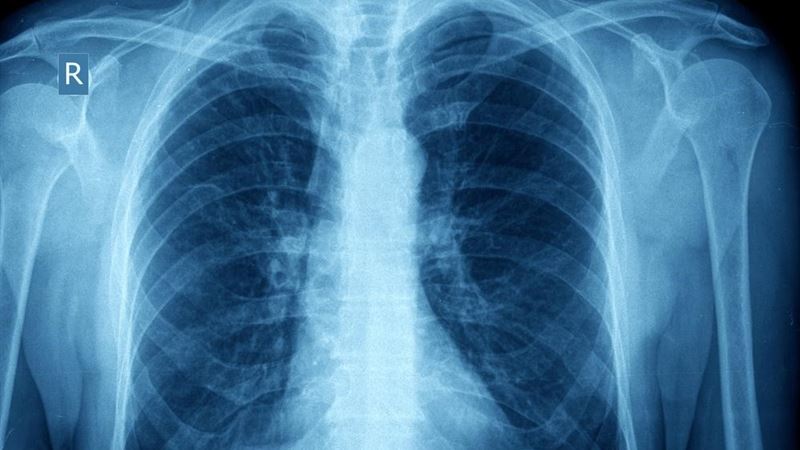
Asthma is a chronic respiratory condition characterized by episodes of breathing difficulty, which can manifest suddenly with symptoms such as shortness of breath, persistent coughing, chest tightness, and wheezing sounds during expiration. These symptoms result from complex interactions within the respiratory system, particularly involving airway inflammation, hyperresponsiveness, and obstruction. The severity and frequency of asthma attacks vary among individuals, with some experiencing infrequent mild episodes, while others face frequent, severe attacks that significantly impair daily life.
Chronic asthma is associated with ongoing inflammation within the bronchial tubes, which over time can induce structural changes known as airway remodeling. This remodeling involves thickening of the airway wall, increased mucus gland size, and fibrosis, all of which contribute to persistent airflow limitation. Proper management and control of asthma symptoms can prevent or slow these structural alterations, thereby preserving lung function and improving quality of life.
A wide array of environmental and internal triggers can induce asthma symptoms. These triggers include physical stimuli such as vigorous exercise, exposure to cold air, or high-altitude environments. Infection-caused exacerbations are common, often triggered by viral or bacterial respiratory illnesses. Environmental irritants—like cigarette smoke, perfumes, and cleaning chemicals—can provoke airway constriction and inflammation. Allergens such as pollen, mold spores, dust mites, pet dander, and certain foods are major contributors, especially in allergic asthma cases. Additionally, emotional stress and certain medications, particularly non-steroidal anti-inflammatory drugs (NSAIDs), can precipitate an attack.
Triggers exert their effects through mechanisms that induce airway inflammation and/or bronchospasm, leading to symptoms. In susceptible individuals, environmental and allergenic stimuli activate specific immune responses involving Th1, Th2, and IgE pathways. Th2 cells promote allergic inflammation by stimulating the production of IgE antibodies, which sensitize mast cells. Upon subsequent exposure to allergens, these mast cells release histamine and other mediators, resulting in bronchoconstriction, increased mucus secretion, and airway swelling.
It is noteworthy that even healthy individuals can experience exercise-induced bronchospasm, also called exercise-induced asthma (EIA). During intense physical activity, the airways may temporarily constrict, causing wheezing and difficulty breathing. Fortunately, prophylactic medications such as bronchodilators can be administered before exercise to mitigate these effects and allow for safe physical activity.
Immune system responses play a pivotal role in the development and exacerbation of asthma. Th1 responses primarily combat infections, whereas Th2 responses tend to drive allergic reactions. In asthma, the immune response skews toward an overactive Th2 profile, leading to increased production of cytokines that promote IgE synthesis. The binding of IgE antibodies to allergens triggers mast cell degranulation, releasing histamine and other inflammatory mediators. These chemicals cause airway swelling, increased mucus production, and smooth muscle constriction, all hallmarks of asthma. Understanding these immune pathways provides insights into targeted therapies aimed at reducing airway inflammation and controlling asthma symptoms effectively.