
Comprehensive Guide to Earning an Online Bachelor's Degree in Graphic Design: Top Universities and Selection Tips
Discover how to select the best online graphic design bachelor's programs, understand key factors like accreditation and cost, and explore top universities offering flexible, comprehensive curriculums to jumpstart your creative career. This guide helps aspiring designers make informed decisions for a successful future.
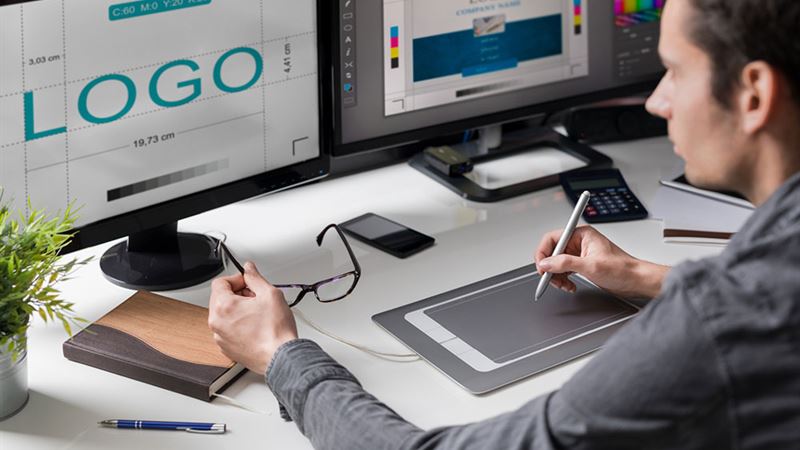
Embarking on a career in graphic design requires a solid educational foundation, and pursuing an online bachelor's degree in this field is an excellent way to develop your creative and technical skills. These programs offer students the opportunity to master various design technologies, software applications, and artistic techniques. Beyond honing artistic abilities, students also learn about strategic marketing, branding, and visual communication, which are essential components of a successful design career. The flexibility of online learning makes it accessible for working professionals, international students, or those with busy schedules seeking to advance their education.
The standard duration for an online bachelor’s degree in graphic design is typically around four years, similar to traditional on-campus programs. However, many institutions also provide accelerated pathways, allowing motivated students to complete their studies in as little as 16 months to three years. These accelerated programs are designed to meet the needs of learners eager to enter the workforce quickly or to minimize educational expenses. Most degree programs require completion of approximately 120 semester credits, which encompass core coursework, electives, and practical projects needed to develop a comprehensive portfolio.
Graduates with an online graphic design bachelor’s degree can anticipate competitive salaries, with median starting incomes around $58,900 annually. As they gain experience and expand their skillsets, earnings potential increases, with some seasoned designers earning significantly higher wages. The demand for talented graphic designers continues to grow, particularly within digital marketing, advertising, multimedia production, and branding sectors.
Essential Considerations When Selecting an Online Bachelor’s Program in Graphic Design
Choosing the right program requires careful evaluation of several key factors. With a wide array of options available, prospective students must make informed decisions to ensure the program aligns with their career goals and personal circumstances. Here are detailed tips to guide your selection process:
1. Determining Your Area of Focus
Graphic design is a versatile discipline with many specialization avenues, including branding, illustration, advertising, UI/UX design, animation, and more. Recognizing your interests early will help you select a program that emphasizes your desired area. Some degrees are more artistic, focusing on traditional drawing, fine arts, and visual aesthetics, often leading to careers in illustration or fine arts. Others lean heavily on technical skills, including software proficiency, interactive media, 3D modeling, and digital animation, preparing students for careers in web design, app development, or multimedia production.
For instance, a Bachelor of Arts (BA) or Bachelor of Fine Arts (BFA) program may prioritize creative expression and artistic development. Conversely, a Bachelor of Science (BS) in Graphic Communication emphasizes technical skills, software management, and interactive design techniques. Matching the program’s emphasis with your interests will enhance your educational experience and improve your job prospects after graduation.
2. Researching Schools and Accreditation
Institutional accreditation is paramount when choosing an online program. Accredited schools meet quality standards set by recognized agencies, ensuring you receive a reputable education. Accreditation also affects your ability to transfer credits, qualify for financial aid, and pursue advanced education later. Top accrediting bodies for art and design programs include the U.S. Department of Education, the National Association of Schools of Art and Design (NASAD), and regional accreditation agencies such as the Southern Association of Colleges and Schools (SACSCOC).
Beyond accreditation, investigate the support services that institutions provide to online students. These may include virtual libraries, career counseling, mentorship programs, technical support, and opportunities for networking through alumni groups or online forums. Schools that foster strong community engagement and offer internship placements enable students to build professional portfolios, gain industry experience, and enhance employability upon graduation.
3. Preparing Application Materials
Applying to an online degree program typically involves submitting several documents and assessments. Ensure your high school transcripts or GED scores are up to date. Standardized test scores such as the SAT or ACT may be required, although some programs waive testing requirements. A compelling personal statement explaining your interest in graphic design, your career ambitions, and how the program aligns with your goals is crucial. Letters of recommendation from teachers, mentors, or industry professionals can strengthen your application. Some schools may ask for a portfolio of creative work to assess your artistic potential, so prepare a selection of your best projects.
4. Financing Your Degree
Financial considerations are essential in the online education landscape. Tuition costs vary widely based on the institution, residency status, and program specifics. Many universities offer a range of payment options, including installment plans, scholarships, fellowships, and grants. Investigate scholarship opportunities specific to art and design students, as well as institutional aid programs.
For working professionals, employer tuition reimbursement programs can significantly offset costs. Additionally, some online programs provide flexible payment plans designed to accommodate financial situations, making quality education more accessible. Carefully review the total cost, including fees for technology, course materials, and software licenses required for online coursework.
Cost Breakdown of an Online Graphic Design Degree
The total expense of an online bachelor’s in graphic design varies depending on factors such as residency, institution, and program length. Out-of-state students often face higher tuition fees than in-state residents. Tuition per credit can range from approximately $320 to $800, culminating in total costs between $38,000 and $96,000 for the entire program. Additional expenses may include software subscriptions (like Adobe Creative Suite), hardware upgrades, and learning materials.
Many universities also charge technology fees to support online learning platforms and student resources. Carefully consider these costs when planning your finances and exploring financial aid options.
Leading Institutions Offering Online Bachelor’s Degrees in Graphic Design
- Southern New Hampshire University
- University of Maryland, Baltimore (UMB)
- Liberty University
- Bellevue University
- Arizona State University (ASU)
SNHU offers flexible pathways, allowing students to choose between concentrations such as Graphic Design, User Experience (UX) Design, or Web Design. With an estimated cost of about $320 per credit, SNHU provides an affordable yet comprehensive online learning environment tailored for working adults and remote learners.
UMB provides an entirely online program that combines virtual coursework with optional on-campus sessions. Students learn core design principles, drawing, typography, layout, and digital communication. For out-of-state students, tuition is approximately $499 per credit, while in-state students pay about $318 per credit. The program emphasizes practical skills aligned with industry standards.
Liberty's highly customizable online program lets you focus on your career aspirations. The flexible schedule suits busy professionals, and the school incorporates internship and practicum components to enhance employability. Tuition costs approximately $390 per credit, making it an attractive option for cost-conscious students seeking quality education with real-world experience.
Bellevue emphasizes developing marketing and branding solutions, with a curriculum designed to foster innovation in digital communication. The university offers a modular system for course progression, with an average cost of $449 per credit. This approach allows students to tailor their learning experience and focus on areas pertinent to their career goals.
ASU's online program specializes in visual communication, layout, and design theories, preparing students to excel in competitive industries. Affiliated with the Council for Collegiate Graphic Communications, ASU charges roughly $563 per credit, reflecting its reputation for high-quality digital design education.
Choosing the right online program in graphic design involves balancing cost, curriculum focus, support services, and accreditation. With the right preparation and research, students can find a program that aligns with their professional aspirations and personal circumstances, paving the way for a rewarding career in design.