
Cutting-Edge Advances in Automotive Electronics and Vehicle Technologies
This article explores the latest innovations in automotive electronics, including advanced driver assistance, electrification, augmented reality displays, autonomous parking, and autonomous driving systems like Tesla Autopilot. These technological breakthroughs are revolutionizing the future of transportation, emphasizing safety, sustainability, and driver convenience. From hydrogen fuel cells to smart keys, discover how automakers are pushing the boundaries of vehicle technology, improving efficiency and creating safer driving environments for all users. Stay ahead with the most recent developments in vehicle electronics and intelligent automotive solutions.
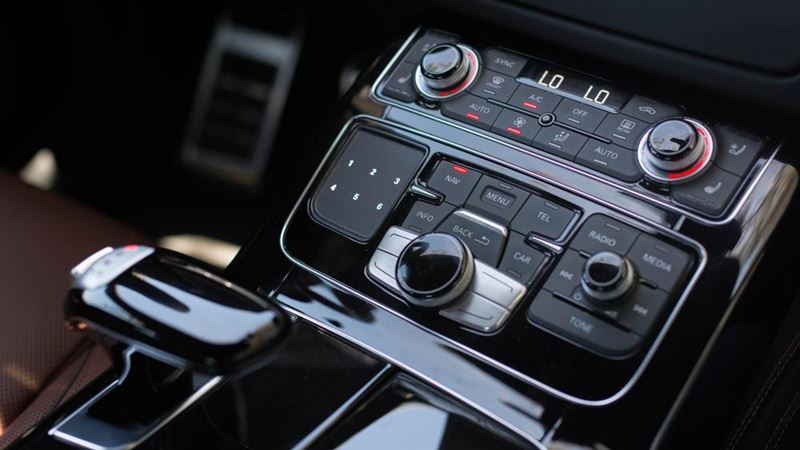
Recent breakthroughs in automotive electronics are reshaping the landscape of vehicle design and driving experience. Innovations now focus on enhancing safety, efficiency, connectivity, and driver convenience, paving the way for smarter, more autonomous vehicles. Car manufacturers worldwide are incorporating sophisticated electronic systems that not only improve the overall driving experience but also significantly increase safety standards and operational control.
- Intelligent Driver Assistance Systems
One of the most significant advancements is the development of intelligent driver assistance technologies, such as collision avoidance and lane-keeping systems. These systems utilize an array of sensors, cameras, and radar units to monitor the vehicle's surroundings continuously. For example, the integration of next-generation cameras allows vehicles to detect obstacles, pedestrians, and other vehicles in real-time, alerting the driver or automatically taking corrective action to prevent accidents. The focus on proactive safety measures ensures that drivers are supported in maintaining control during challenging driving scenarios, especially in congested urban environments or high-speed highways.
- Advanced Driver Monitoring and Automation
Modern vehicles are increasingly equipped with features like fatigue detection, eye-tracking, and emotion recognition. These innovations analyze driver behavior and physiological signals to determine alertness levels. When signs of drowsiness or distraction are detected, the system prompts the driver to take a break, or in some cases, activates semi-autonomous features to maintain vehicle stability. The push toward full automation continues with the development of autonomous driving platforms, capable of navigating complex environments without human intervention, promising a future where vehicles operate with minimal driver input.
- Electric and Hybrid Powertrain Improvements
The shift toward electric vehicles (EVs) is driven by advancements in battery technologies, charging infrastructure, and energy management systems. Automakers are investing heavily in fast-charging solutions that can recharge batteries to 80% capacity within minutes, making long-distance travel more feasible. Additionally, innovations like solid-state batteries offer higher energy densities and improved safety profiles. Hybrid models are also benefiting from smarter energy control electronics, maximizing fuel efficiency while reducing emissions.
- Innovative Fuel Cell and Alternative Energy Technologies
Hydrogen fuel cell technology is gaining momentum as an alternative to traditional combustion engines. The Toyota FCV Plus, for example, showcases a future where hydrogen-powered vehicles are commonplace, utilizing cutting-edge fuel cell systems that generate electricity with water as the only emission. Such technology promises clean transportation options, especially in regions where hydrogen infrastructure is expanding. The industry is also exploring biofuels and synthetic fuels, aiming to create sustainable energy sources that complement electric and hydrogen solutions.
- Augmented Reality in Vehicles
Augmented reality (AR) displays are revolutionizing how drivers interact with their vehicles. The WayRay holographic head-up display projects critical information directly onto the windshield, allowing drivers to keep their eyes on the road while accessing navigation, speed, and hazard alerts. These AR systems can display 3D images of upcoming road features, enhancing situational awareness and reducing potential accidents. As AR integration becomes more affordable and sophisticated, it is expected to become a standard feature in future vehicles, providing seamless and immersive driving assistance.
- Smart Key and Remote Access Technologies
Luxury automakers like BMW are leading the way with smart keys that offer more than just keyless entry and ignition. The latest BMW 7 Series features a digital key fob with a color display that communicates detailed vehicle status, allows remote engine start, and even provides security features like locking and unlocking from a distance. Wireless charging pads further streamline the experience, providing convenience and control directly from the vehicle’s console. Such innovations aim to bridge the gap between traditional key systems and connected vehicle ecosystems.
- Autonomous Parking and Maneuvering
Parking is often a hassle, especially in crowded cityscapes, but new driver-assist features are transforming this experience. Mitsubishi's self-driving concept car offers fully automated parallel parking assistance, navigating tight spaces with minimal driver input. These systems use ultrasonic sensors, cameras, and advanced algorithms to detect parking spots and execute precise maneuvers. As parking automation technology matures, it aims to reduce parking-related accidents and improve urban mobility by making space management more efficient.
- Autopilot and Full Self-Driving Technologies
Tesla's Autopilot systems exemplify the move toward fully autonomous vehicles. The latest versions incorporate features such as automatic steering, lane changing, side collision warning, and smart parking. Over-the-air software updates continuously improve system capabilities, adding new functionalities and safety improvements. Tesla’s vision of a driverless future is rapidly approaching, with fully autonomous vehicles expected to become mainstream within the next decade. These systems promise enhanced safety, reduced driver fatigue, and increased productivity during commutes.
Overall, the ongoing innovation in automotive electronics signifies a transformative era in transportation. From safer driving assistance and cleaner energy options to smarter connectivity and autonomous capabilities, these technologies are shaping the future of mobility. Automakers, tech companies, and industry regulators are collaborating to ensure these innovations are safe, reliable, and accessible, ultimately making driving more comfortable, efficient, and safe for everyone.