
Comprehensive Guide to Reordering Checks: Everything You Need to Know
Learn everything about reordering checks online, from initial verification to final delivery, including security tips, cost considerations, and essential details like routing numbers. This comprehensive guide ensures a smooth, safe, and efficient process whether you’re reordering for the first time or regularly updating your check supply. Stay informed and safeguard your banking information with expert advice and step-by-step instructions, making check reordering hassle-free.
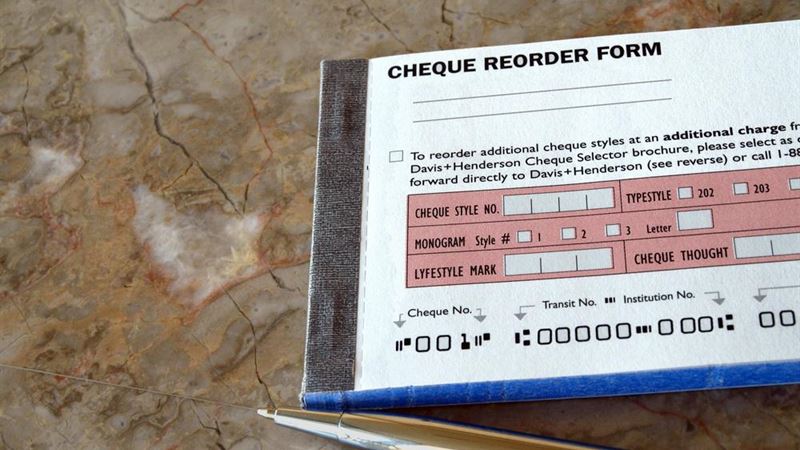
For many individuals, reordering checks might seem straightforward, but a variety of essential procedures and security measures are involved in the process. When it comes to ordering bank checks, especially for the first time, banks often require customers to visit their branch in person to verify their identities before they can place an order. This initial step ensures safety and prevents misuse of checks by malicious actors. This detailed guide provides a step-by-step overview of reordering checks online, necessary prerequisites, and important considerations to streamline the process and ensure security.
- The importance of secure check reordering
The process of reordering checks has evolved significantly with technological advancements. Today, most banks offer convenient online options, but understanding the full procedure helps ensure a smooth experience. Since checks are instruments used for transferring funds to third parties, banks prioritize security by implementing stringent verification procedures. For first-time check orders, visiting a branch helps verify the customer's identity physically, adding an extra layer of security. This in-person verification reduces the risk of fraudulent activities involving checks, such as counterfeiting or unauthorized use.
- Preliminary steps for online check reordering
Before initiating a reorder of your checks online, it's essential to prepare adequately. First, confirm that your bank provides the online check reordering service—most banks do if you have an online banking account. If you are already enrolled in online banking, you can directly proceed, but if not, setting up your online account becomes the first step. The process involves creating your login credentials, which includes verifying your identity through personal information like your account number, full name, address, debit or credit card details, and sometimes your Social Security number. These details help the bank confirm your identity and associate your online profile with your banking account accurately.
- Setting up your online banking credentials
Once your identity is verified, the bank will send your login details—user ID and password—via mail, email, or text message. This secure method ensures that only you can access your account online. After receiving your login credentials, you can easily sign into your online banking portal. Typically, you'll find options like “My Accounts,” “Check Management,” or “Order Checks” within your account dashboard. Choosing the correct section is crucial to initiate a check reorder without complications. From there, you can follow the prompts to submit your reorder request seamlessly.
- The process of placing a reordering request online
Logging into your online banking account provides access to the reordering interface. Once inside, search for the check reorder or check supplies section—its location varies among banks. Clicking on this option leads to a form or page where you may need to verify or update your account details. If you've moved or changed your address recently, it’s necessary to update this information to ensure the checks are sent to your current residence. If your name has changed due to marriage, divorce, or legal reasons, you might be required to submit supporting documentation—such as a marriage certificate or legal decree—to validate the change. Most banks require these documents to update their records officially.
- Providing accurate address and personal information
For new addresses or name changes, ensure all details are correct before submitting your request to avoid delays. Many institutions recommend visiting the branch personally for substantial changes, especially related to legal name updates, and to submit any supporting documentation in person. This process guarantees that your request is processed promptly and accurately, reducing potential errors.
- Understanding routing numbers and their significance
A crucial component for reordering checks is knowing your bank's routing number. This nine-digit code, found at the bottom of your checks, uniquely identifies your bank or financial institution. When reordering checks online, you'll need to provide this number alongside your account number and account type to ensure the new checks are correctly associated with your account. The routing number helps prevent ordering the wrong type of checks or for an incorrect account, especially if you have multiple accounts at the same bank. Always verify that the routing number corresponds precisely to the bank branch or institution linked to the account you intend to use.
- Locating and verifying your routing number
Routing numbers are typically printed on check books, bank statements, or can be obtained through your bank's customer service. If unsure, calling your bank or visiting their official website can help confirm the correct routing number. Using the wrong routing number can lead to delays or issues with check processing, so accuracy is essential. Additionally, some banks may have different routing numbers for wire transfers versus check orders, so ensure you use the appropriate one for reordering checks.
- Cost considerations for ordering checks
The cost of reordering checks varies depending on the bank and the type of checks ordered. Traditionally, the price ranges from around $10 to $30, with some banks offering discounts for bulk purchases or premium designs. Many banks also include check reordering fees in their standard checking account packages, while others charge separately. Sometimes, banks offer complimentary checks to certain account holders or as part of promotional offers. When ordering checks online, you'll often need to provide your credit or debit card information to cover these fees. If your account is eligible for free checks, you won't incur any costs, making reordering a free service. It's advisable to review your bank's fee schedule beforehand to understand potential charges.
- Additional tips for cost-saving
To minimize expenses, consider customizing your checks with basic designs and avoiding additional features like embossed writing or specialty papers, which tend to be more expensive. Also, ordering checks in bulk can reduce the per-unit cost. Some online check providers and third-party vendors may offer competitive prices and discounts, allowing you to compare options before placing your order. Always ensure that the vendor you choose is legitimate to avoid scams or receiving substandard checks. By planning ahead, you can reorder checks efficiently without overspending while ensuring you have enough supply for your banking needs.
- Security tips during check reordering
Security remains a vital concern during the reordering process. Always ensure you're using a secure internet connection when accessing your bank’s website. Avoid public Wi-Fi networks, which can be vulnerable to hacking. Confirm that the bank's website URL begins with “https://,” indicating a secure connection. Beware of phishing emails or fraudulent websites that mimic your bank’s official portal; always access your bank directly through trusted links or bookmarks. If you suspect any suspicious activity or receive unexpected requests for personal information, contact your bank immediately. Additionally, keep your login credentials confidential and change your passwords regularly for added security. These precautions help prevent unauthorized access and safeguard your financial information during the reordering process.
- Final thoughts on reordering checks
In conclusion, reordering checks has become a straightforward process thanks to online banking, but understanding the procedures involved enhances security and efficiency. Knowing your routing number, verifying address and personal information, and following your bank's specific guidelines ensures your checks are ordered correctly and delivered on time. Keep track of associated costs, compare options for savings, and always prioritize security measures. Whether you are reordering routinely or doing it for the first time, being prepared and vigilant will ensure a seamless and safe experience in managing your banking needs. Always stay updated with your bank’s policies and use official channels for all transactions related to check reordering.