
Understanding Menopause: Comprehensive Guide and Insights
This comprehensive guide explores menopause, detailing its stages, symptoms, causes, and management options. It offers valuable insights to help women navigate this natural life transition confidently, emphasizing the importance of health, lifestyle adjustments, and medical support for a smoother experience.
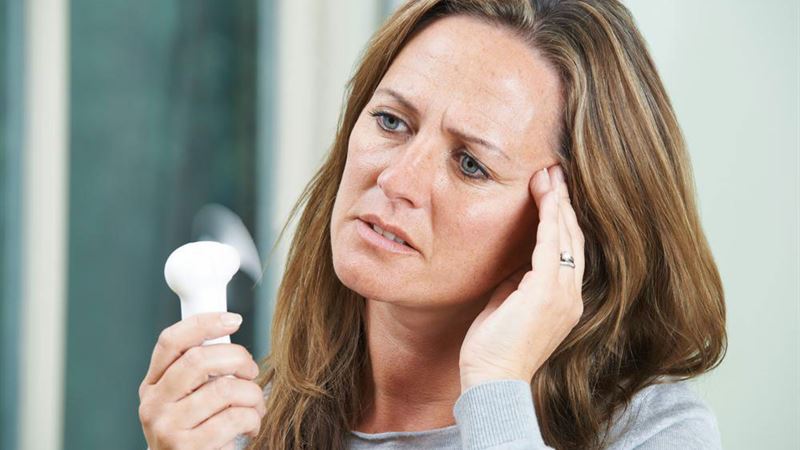
What Is Menopause?
Menopause is a natural biological process signifying the conclusion of a woman's reproductive cycle. It occurs when the ovaries gradually cease releasing eggs and producing key hormones such as estrogen and progesterone. This hormonal decline affects various bodily functions, leading to physical and emotional changes. Typically, menopause occurs between the ages of 45 and 55, although it can happen earlier or later due to various factors.
Understanding the timeline of menopause is crucial. The transition doesn't happen overnight but unfolds over several years, a phase termed the perimenopause. During this period, women experience fluctuations in hormone levels, resulting in diverse symptoms. The official onset of menopause is confirmed after twelve consecutive months without menstruation, marking the end of fertility and the beginning of a new life stage.
The Menopause Timeline and Stages
The journey through menopause generally progresses through three distinct phases:
- Perimenopause: The transitional phase leading up to menopause, characterized by irregular menstrual cycles, hot flashes, mood swings, and sleep disturbances. Hormonal fluctuations are most prominent during this time.
- Menopause: Confirmed after 12 months of no periods, indicating the ovaries have significantly reduced hormone production. Symptoms like hot flashes and night sweats may peak during this time.
- Postmenopause: The years following menopause, where symptoms may diminish but certain health risks such as osteoporosis and cardiovascular disease increase due to lower estrogen levels.
Physiological Changes During Menopause
Menopause significantly alters hormone levels, impacting multiple organs and systems. The decline in estrogen leads to changes in the reproductive organs, including thinning of the vaginal walls, decreased lubrication, and loss of elasticity. Bone density diminishes, increasing osteoporosis risk. The cardiovascular system may also be affected, with shifts in cholesterol levels contributing to heart disease risk.
Furthermore, hormonal changes influence mood, sleep patterns, skin texture, and hair health. Many women experience hot flashes, night sweats, and occasional memory lapses, which can vary in intensity and duration. Recognizing these signs helps women seek appropriate care and lifestyle adjustments.
Common Symptoms and Signs of Menopause
- Hot Flashes and Night Sweats
- Irregular Menstrual Cycles
- Sleep Disruptions and Insomnia
- Mood Swings and Emotional Changes
- Vaginal Dryness and Discomfort During Intercourse
- Reduced Libido
- Memory Lapses and Concentration Difficulties
- Weight Gain and Changes in Metabolism
- Thinning and Drying Skin
- Hair Thinning and Loss
Factors Influencing Menopause Timing
Several genetic, lifestyle, and health factors influence when menopause occurs and its severity. Women with a family history of early menopause are more likely to experience it sooner. Smoking has been linked to earlier menopause, as have certain medical treatments such as chemotherapy, hysterectomy, or removal of both ovaries. Conversely, women who maintain good overall health, are physically active, and have balanced diets often experience fewer and milder symptoms.
Managing Menopause Symptoms
While menopause is a natural phase, its associated symptoms can impact quality of life. Several management strategies are available:
- Lifestyle Modifications: Maintaining a balanced diet, engaging in regular physical activity, managing stress, and ensuring adequate sleep can alleviate symptoms.
- Hormone Replacement Therapy (HRT): This involves administering hormones to counteract the decline, effectively reducing hot flashes, night sweats, and preventing bone loss. However, HRT may carry risks and should be discussed with a healthcare professional.
- Alternative Therapies: Phytoestrogens, mindfulness, yoga, and acupuncture may provide symptom relief for some women.
- Medications: Certain medications can help manage specific issues like vaginal dryness or mood swings.
Health Risks Associated with Menopause
Postmenopausal women face increased risks of osteoporosis, cardiovascular disease, and urinary tract issues. Regular screenings, bone density tests, and lifestyle modifications are vital for maintaining health during this stage. Preventive measures like calcium and vitamin D supplementation, smoking cessation, and maintaining a healthy weight are highly recommended.
Importance of Medical Support and Consultation
Consulting healthcare professionals for personalized advice and treatment options is crucial. Routine check-ups, blood tests, and screenings can help detect early signs of health issues related to menopause. Taking proactive steps ensures a smoother transition and preserves overall well-being.
In conclusion, menopause is a natural transition that marks the end of reproductive fertility. While it brings physical and emotional changes, understanding its processes and managing symptoms effectively can significantly improve quality of life. Empowered with knowledge and appropriate support, women can embrace this new phase with confidence and vitality.