
Celebrating the Empowering Women of Wakanda in Black Panther
This comprehensive article celebrates the powerful women of Wakanda portrayed in Black Panther. It highlights their importance, leadership, and cultural impact, emphasizing how they challenge stereotypes and inspire viewers worldwide. From Queen Ramonda to Shuri, each character exemplifies strength, resilience, and innovation. The film is a significant cultural milestone that promotes African heritage and women’s empowerment, fostering pride and inspiring future generations. Discover the depth and diversity of Wakandan women’s roles and their crucial influence both within the story and beyond.
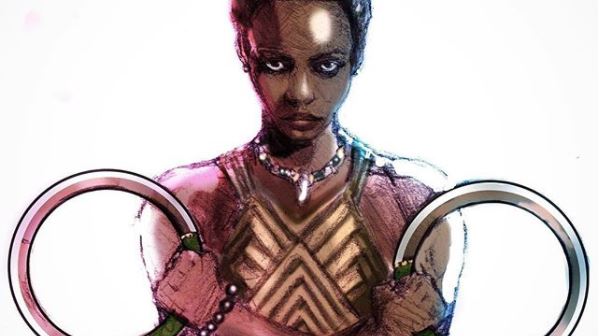
In the iconic Marvel film Black Panther, many fans focus on the heroics of T’Challa, the Black Panther himself, or on the compelling antagonists like Erik Killmonger played by Michael B. Jordan. However, an equally, if not more, influential aspect of the movie lies in its portrayal of Wakandan women who play critical roles both on and off the battlefield. These women are depicted as fierce, intelligent, resilient, and deeply committed to their heritage and country. The leadership and strength demonstrated by the women of Wakanda have garnered widespread admiration and have challenged stereotypical gender roles often seen in blockbuster movies. Their characters embody empowerment, authority, and emotional depth—fostering a narrative that highlights the vital contributions women make to societal stability, technological innovation, and cultural preservation. Queen Ramonda (Angela Bassett), the unwavering mother of T’Challa, energizes the narrative with her wisdom and resilience. Her unwavering dedication to Wakanda’s welfare guides her son through complex political challenges and personal growth. Ramonda’s character serves as a symbol of maternal strength and strategic thinking, standing as a pillar of support amidst the chaos of political upheaval. Aside from her, the dynamic of romantic and professional relationships is cleverly woven into the storyline, exemplified through Nakia (Lupita Nyong’o). Unlike conventional love interests, Nakia’s character is a multifaceted spy and activist whose loyalty extends beyond romance to a broader sense of global justice. She’s dedicated, courageous, and committed to helping those in need, be it within Wakanda or in conflict zones worldwide. Her portrayal emphasizes the importance of compassion and intelligence in leadership. Another remarkable figure is Okoye (Dania Gurira), the fierce general of the Dora Milaje. She embodies strength, authoritative leadership, and unwavering loyalty to her country. Known for her muscular build, commanding presence, and unwavering dedication, Okoye epitomizes the modern warrior woman. Her stance often involves making tough decisions, including standing against her own allies or lovers, if it means serving her country’s best interest. Her character is a testament to resilience and moral integrity, inspiring women and men alike with her valor. Florence Kasumba, who portrays the formidable Ayo within the Dora Milaje, expressed her excitement about participating in such an influential project. She highlighted the professionalism of the crew and the immersive experience of working on the set, which vividly brought Wakanda to life. Kasumba’s portrayal of Ayo adds depth to the depiction of women as protectors and warriors, emphasizing solidarity, strategic thinking, and cultural pride. A standout character who sparked significant buzz is Shuri, played by Letitia Wright. As T’Challa’s younger sister and the technological genius behind Wakanda’s advanced innovations, Shuri embodies youthful intelligence, innovation, and a spirited attitude. She’s the brain behind many of Wakanda’s futuristic inventions, including the advanced Black Panther suit. Her character illustrates how women are pushing boundaries in science and technology, inspiring future generations of African girls and women to pursue STEM fields. Lupita Nyong’o and Danai Gurira both emphasized their commitment to authentic storytelling during interviews, advocating for respectful and accurate representations of African culture. They underscored the importance of choosing projects that celebrate African heritage genuinely, especially in Hollywood, which has historically misrepresented or marginalized African stories. Director Ryan Coogler’s vision for the film resonated with them deeply, resulting in a cinematic masterpiece that balances cultural pride with innovative storytelling. Angela Bassett expressed her pride in the film’s portrayal of African culture, topography, and the strength of its women. During an interview with People TV, she said, “This film is a testament to our history and identity. It’s a moment where our children can see themselves represented as kings and queens—powerful, proud, and noble. It’s a celebration of our roots and a reminder of the resilience and greatness that define us.” This sentiment underscores the movie’s broader cultural significance and its role in fostering a sense of pride among viewers worldwide. Overall, Black Panther is more than a superhero film—it's a profound tribute to African heritage, leadership, and the empowerment of women. The women of Wakanda challenge traditional stereotypes, illustrating the critical role they play in the country's progress and cultural identity. Their multidimensional portrayals inspire audiences and promote a message that strength, intelligence, and compassion go hand in hand. As more stories like this emerge, the global entertainment industry is shifting towards more inclusive and authentic representations of diverse cultures and female empowerment.