
Comprehensive Guide to Head Lice Treatment and Management
This comprehensive guide offers detailed information on head lice treatment options, including over-the-counter remedies and prescription medications. Learn how to apply treatments effectively, prevent re-infestation, and maintain scalp health with expert tips. Proper management ensures safe and successful eradication of lice, especially crucial for children and families. Understand various treatment cycles, safety precautions, and when to seek medical advice for resistant cases. Empower yourself with knowledge to combat head lice confidently and effectively, ensuring a lice-free scalp and peace of mind.
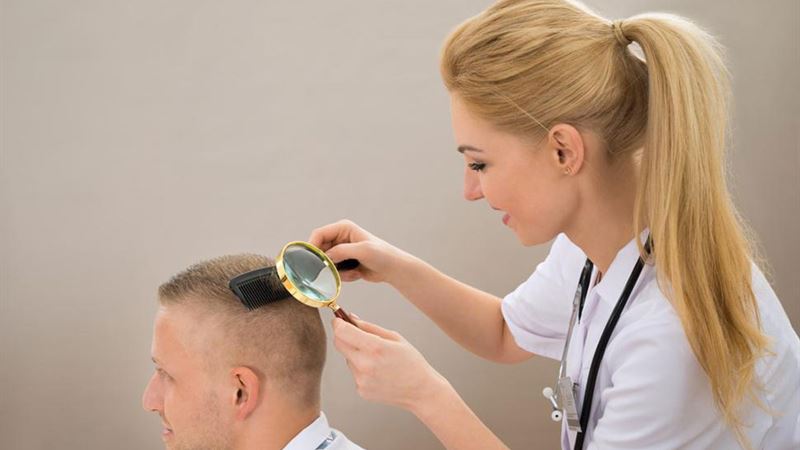
Addressing head lice infestation effectively requires understanding available treatment options, ranging from over-the-counter remedies to prescription medications. Proper treatment is essential to eliminate lice and their eggs, prevent re-infestation, and maintain scalp health. This detailed guide explores various treatment methods, their usage, precautions, and safety tips to help you manage head lice efficiently and safely.
- Over-the-Counter Medications: Many topical products are available without a prescription, designed to kill lice and nits. These remedies are often the first choice due to their accessibility and proven efficacy. Some of the most commonly used OTC options include permethrin-based creams and medicated shampoos.
One of the primary OTC treatments is permethrin cream rinse. Permethrin, a synthetic pyrethroid, is a popular first-line treatment recognized for its effectiveness in killing head lice and preventing their eggs from hatching. Nix, a well-known permethrin-based product, is widely recommended by pharmacists and healthcare providers. After applying the cream rinse, it’s crucial to follow the instructions carefully—typically, the product is left on the scalp for about one hour, then rinsed out thoroughly with water. The treatment’s residual effect can last for up to two or more weeks, reducing the likelihood of re-infestation.
In addition to permethrin creams, medicated shampoos containing active ingredients like pyrethrin and piperonyl butoxide are also effective. These shampoos are formulated to kill lice upon contact, and they are usually applied during a shower or bath. Rid is a commonly used shampoo that contains pyrethrin, which should be left on the hair for approximately ten minutes before rinsing thoroughly. It’s often recommended to repeat the treatment after nine days to eliminate newly hatched lice. This cycle ensures comprehensive eradication of lice and prevents their resurgence.
While OTC products are convenient and usually effective, it’s essential to consult a healthcare professional before starting any treatment, especially if your scalp is sensitive or if an adverse reaction occurs. Certain products may have side effects or interactions that warrant medical advice before use. Some treatments, particularly those containing insecticides, should be used with caution to avoid unnecessary health risks.
Prescription medications are available for more resistant or stubborn infestations. These medications are typically stronger and require medical supervision for safe and effective use. Some of the prominent prescription treatments include:
- Benzyl Alcohol Lotion: Benzyl alcohol is an effective agent for head lice eradication. It works by suffocating the lice, disrupting their breathing. To use, apply the lotion evenly over dry hair and scalp, leave it on for approximately 10 minutes, then rinse thoroughly. Repeating the application after 7-9 days may be necessary to ensure all lice are eliminated.
- Malathion Lotion: Malathion is an organophosphate insecticide that is highly effective against lice. It usually requires two applications, spaced 8 to 12 hours apart, to achieve complete eradication. The lotion is applied evenly and left on for the recommended duration before rinsing. Care should be taken during application, and consultation with a healthcare provider is advised for proper usage and safety considerations.
In some cases, especially with resistant lice strains, alternative treatments or combing techniques may be suggested. Using fine-toothed lice combs in combination with topical treatments enhances the chances of removing eggs and live lice. Vigilance in cleaning personal items such as combs, brushes, hats, and bedding is also essential to prevent re-infestation.
Furthermore, safe and effective head lice management involves a comprehensive approach: maintaining good personal hygiene, avoiding sharing personal belongings, and regularly inspecting the scalp, especially in school-aged children. If lice persist despite treatment, seeking medical advice is crucial to explore other options or confirm diagnosis.
In conclusion, managing head lice requires an understanding of treatment options, proper application techniques, and safety precautions. With the right approach and a bit of patience, you can effectively eliminate lice from your scalp and reduce the risk of future infestations. Always remember to follow professional guidance and read product instructions carefully for safe and successful outcomes.