
Understanding the Evolution and Significance of ‘Service’ in Today's Economy
This comprehensive article explores how the concept of 'service' has transformed from a mere auxiliary to an essential element of modern commerce. Covering its historical roots, technological influence, and current significance, the article provides insights into the evolution of service industries and their critical role in today’s economy. It emphasizes how services like support, maintenance, and digital offerings shape consumer experiences and business strategies, highlighting the importance of adapting to this ongoing shift for long-term success.
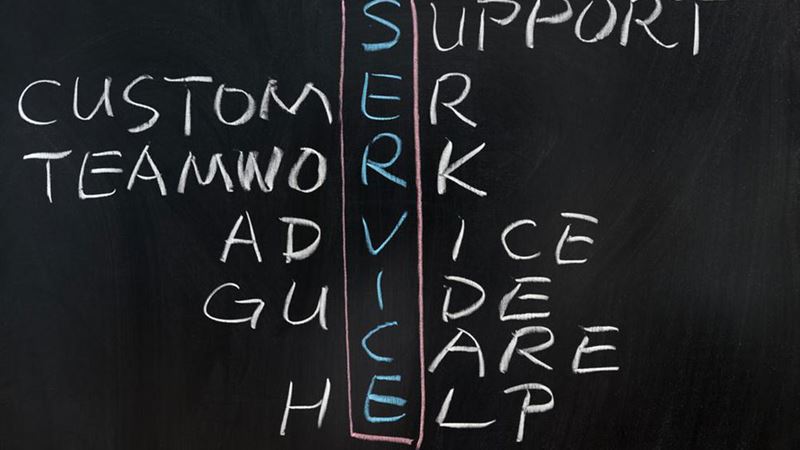
The concept of 'service' has dramatically transformed over centuries from a mere supplement to products into a fundamental component of modern business practices. In today’s interconnected global economy, services are not just add-ons but are often the core deliverables that define entire industries and influence consumer choices significantly. The evolution of the term mirrors broader economic shifts, technological advancements, and changing consumer expectations.
Historically, the relationship between consumers and manufacturers was straightforward—products were purchased, used, and discarded if faulty. Back then, the notion of after-sales service was minimal or nonexistent, primarily because the prevailing economic model was based on a 'use and throw' mentality. Products were often seen as standalone entities, with little emphasis on ongoing support or maintenance. Companies focused on producing and selling goods, with little consideration for extending their lifespan or building long-term customer relationships.
However, as the industrial landscape evolved, especially during the Second Industrial Revolution, the concept of service began to take root. Initially, this was limited to warranty offerings and basic customer support, but it soon expanded into a broader spectrum encompassing maintenance, upgrades, consulting, and personalized assistance. This shift was driven by several factors including technological innovation, increased market competition, rising consumer expectations for quality and support, and the need for differentiation in a crowded marketplace.
The modern understanding of 'service' as a distinct economic category can be traced back to the mid-20th century. Economists and business strategists recognized that the value of goods alone was insufficient to sustain competitive advantage. Companies realized that providing excellent service could foster loyalty, improve brand reputation, and generate recurring revenue streams. The service sector began to flourish, influencing industries such as automotive, technology, healthcare, telecommunications, hospitality, and finance.
Today, services encompass a wide array of activities, from technical support and customer service to subscription-based platforms and digital experiences. The rise of digital technologies, especially the internet, has revolutionized how services are delivered, making them more accessible and scalable than ever before. For instance, cloud computing, online streaming, mobile apps, and on-demand services have become integral parts of daily life, exemplifying the profound integration of service into modern commerce.
Furthermore, the shift towards service-oriented economies has reshaped global trade and economic policies. Countries increasingly focus on developing their service sectors, recognizing their potential to generate employment, foster innovation, and contribute significantly to GDP. The concept of the 'service economy' underscores this trend, emphasizing the importance of intangible offerings and customer-centric approaches in achieving sustainable growth.
In conclusion, the meaning of 'service' has evolved from a supplementary effort to a core component of business strategy. It encapsulates a broad spectrum of activities that add value beyond the physical product, fostering stronger relationships between providers and consumers. Understanding this evolution is crucial for businesses aiming to thrive in an increasingly service-driven world, where customer satisfaction and ongoing support often determine long-term success.