
Comprehensive Guide to Mattress Longevity, Signs of Wear, and Buying Tips
This comprehensive guide explores the true lifespan of mattresses, signs indicating it's time to replace your bed, and detailed tips for selecting the perfect new mattress. Understanding warranty limitations and how to identify early wear can help you maintain optimal sleep quality. Learn essential advice for shopping smartly, testing mattresses thoroughly, and ensuring long-term comfort and support. Whether upgrading or replacing your mattress, this article provides valuable insights to make informed decisions for better sleep health and overall well-being.
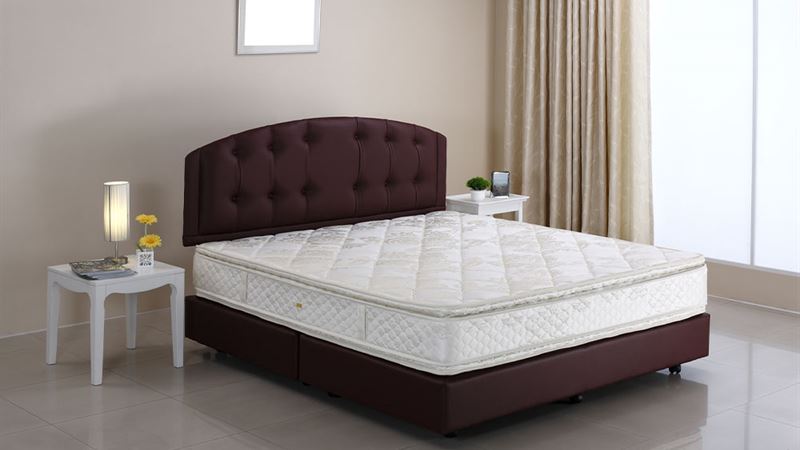
Choosing the right mattress is essential for ensuring restful and restorative sleep, which impacts overall health and well-being. Many consumers mistakenly believe that mattress warranties serve as a definitive indicator of how long their mattress should last, but this is a misconception. According to sleep industry expert Cralle, the purpose of warranties is primarily to protect against manufacturing defects and material failures, not to determine the lifespan of the mattress. In fact, warranties are often longer than the typical lifespan of a mattress, which generally ranges from seven to ten years. For mattresses that endure frequent use, replacement may be necessary sooner, often around five years.
Understanding the typical lifespan of a mattress can help consumers make informed decisions about when to replace their bedding, ensuring maximum comfort and support over time. Even high-quality mattresses are subject to wear and tear, and recognizing the signs of deterioration is crucial for maintaining good sleep hygiene. This comprehensive guide will explore in detail the factors influencing mattress longevity, the subtle signs indicating it’s time for a replacement, and practical tips for selecting the right new mattress to meet your needs.
Deciphering Mattress Lifespan and Warranty Limitations
Mattresses are investments in health and comfort, but many people are confused about how long they should last. Warranties, typically ranging from 5 to 20 years depending on the brand and model, do not necessarily correlate directly with a mattress’s functional lifespan. Instead, these warranties are designed to safeguard consumers against manufacturing flaws, such as fabric defects or broken coils, that could happen early in the product's life. They do not account for the natural degradation that occurs through regular use.
On average, consider replacing your mattress every seven to ten years. However, this period can be shorter for those who easily develop allergies or experience increased wear and tear, especially if the mattress is subjected to frequent use or poor maintenance. A mattress used heavily in a busy household or commercial setting might need replacement as early as five years to avoid compromising sleep quality.
Even premium mattresses, such as memory foam, latex, or hybrid models, will eventually degrade. The key is to monitor your sleeping experience rather than rely solely on the age of the mattress or manufacturer’s warranty. Recognizing the early signs of wear can prevent discomfort and health issues caused by improper support.
Identifying the Warning Signs of a Worn-Out Mattress
Since a mattress does not usually show obvious structural failure like a broken window, recognizing decline in comfort requires attentiveness. Here are concrete indicators that suggest it’s time to start shopping for a new mattress:
- Persistent pain upon waking: If you regularly wake with back, neck, or joint pain, it may be due to inadequate support from your mattress.
- Frequent tossing and turning: Spontaneous movements or difficulty staying asleep might indicate that your mattress doesn’t provide the necessary comfort to maintain restful sleep. If you find yourself restless despite being tired, consider whether your mattress is at fault.
- Better sleep elsewhere: Noticeable improvement in sleep quality—such as sleeping well on a hotel bed, a friend's place, or even on the sofa—may highlight issues with your own mattress.
- Visible sagging or indentations: Any noticeable dips, lumps, or uneven surfaces compromise support and comfort. For innerspring mattresses, you shouldn’t be able to feel the coils or springs through the fabric.
- Allergy or respiratory symptoms: If allergy or asthma symptoms worsen over time, your mattress may be harboring allergens like dust mites, mold, or pet dander, which can intensify health problems.
Evaluating your mattress periodically ensures that you address issues before they significantly impact your sleep and health. Recognizing these signs early can save you from discomfort and potential medical issues.
Tips for Choosing a New Mattress
When it comes to selecting a new mattress, careful research and thoughtful testing are essential. The Better Sleep Council (BSC) offers reliable guidance to help consumers make the best choice for their unique needs:
- Do thorough research: Know your preferred mattress size, firmness level, and material type before visiting stores. Understanding your sleep style—whether you sleep on your side, back, or stomach—will help narrow down your options.
- Test the mattress properly: Don’t rush your decision at the store. Spend at least 15 minutes lying on each mattress model in your typical sleep position. Remove shoes, wear comfortable clothing, and simulate your normal sleep habits to truly gauge support and comfort. Lie down, roll over, and try different parts of the bed.
- Exercise patience: Take your time to relax on the mattress. The BSC recommends a minimum of 15 minutes to assess whether it provides the right support and comfort. Rushing this process might lead to choosing a mattress that doesn’t meet your expectations.
- Compare options and stores: Visit multiple retailers, including furniture stores, department stores, specialty sleep shops, and discount outlets. Look for sales associates knowledgeable about different brands, warranty coverage, and mattress features.
- Assess warranties and return policies: Make sure to understand what is covered and for how long, so you’re protected against manufacturing defects and can return or exchange the mattress if necessary.
- Balance price and features: Don’t just pick the cheapest option. Consider the mattress's material, durability, warranty, and your comfort preferences to ensure long-term satisfaction.
Investing time in research and testing ensures that you find a mattress that provides optimal support, durability, and comfort tailored to your specific sleep needs. A good night’s sleep starts with a mattress that suits you best, so don’t hesitate to explore various models and brands before making your choice.