
Comprehensive Guide to Caring for and Maintaining Your Laminate Floors
Explore an in-depth, step-by-step guide to maintaining your laminate flooring, including installation tips, layering details, cleaning methods, and eco-friendly solutions. Learn how to preserve the durability, appearance, and longevity of your floors with practical advice suitable for homeowners and professionals alike.
Understanding the Installation Process of Laminate Flooring
- Laminate flooring is primarily installed as a floating floor, meaning it doesn't require nails or glue to affix it to the subfloor. This method simplifies installation, making it accessible for DIY enthusiasts and professional installers alike.
- The process begins with laying down an underlayment, typically a foam sheet that provides cushioning, soundproofing, and moisture barrier properties. This underlayment is rolled out across the entire subfloor, ensuring smoothness and evenness.
- After unrolling, the underlayment sheets are carefully taped together to prevent shifting during installation. Once secured, the laminate planks are laid over this base layer.
- Depending on the specific type and brand, laminate planks are joined either through a click-lock or snap-together system, or by using adhesive. The click-lock system is popular because it allows quick installation without mess, ensuring the planks lock tightly together while remaining stable and preventing movement.
The Layers Making Up Laminate Flooring
- Wear Layer: The topmost layer, composed of a clear melamine resin coating, provides scratch and stain resistance. It acts as a durable shield against daily wear and tear, ensuring the floor maintains its aesthetic appeal over time.
- Image/Decorative Layer: Beneath the wear layer lies a high-resolution photographic layer that mimics the appearance of natural materials like wood, stone, or tile. This layer gives the laminate its realistic visual appeal, available in various patterns and textures.
- Core Layer or Base Layer: The foundational layer is usually made of high-density fiberboard (HDF) or medium-density fiberboard (MDF), approximately half an inch thick. It supports the image layer and provides stability to the entire plank, although it may be susceptible to moisture damage if not properly sealed.
Types of Laminate Flooring Based on Various Factors
- Laminate flooring offers a wide array of options tailored to different needs and preferences. The choice depends on factors such as installation style, surface texture, pattern, and material imitation.
- Installation methods vary from click-lock floating systems to glue-down options, each suitable for different subfloor types and use cases.
- The surface finishes offer textures ranging from smooth to hand-scraped and embossed, mimicking real wood grains or stone textures.
- Patterns include planks, tiles, and asymmetric designs, allowing for diverse aesthetic expressions.
- Additionally, laminate floors are rated according to AC (Abrasion Class) ratings, which indicate durability levels suitable for residential or commercial environments.
Maintaining and Cleaning Your Laminate Floors: Best Practices
- Proper cleaning routines are essential to prolong the lifespan and beauty of laminate flooring. Regular dusting prevents dirt and debris from scratching the surface.
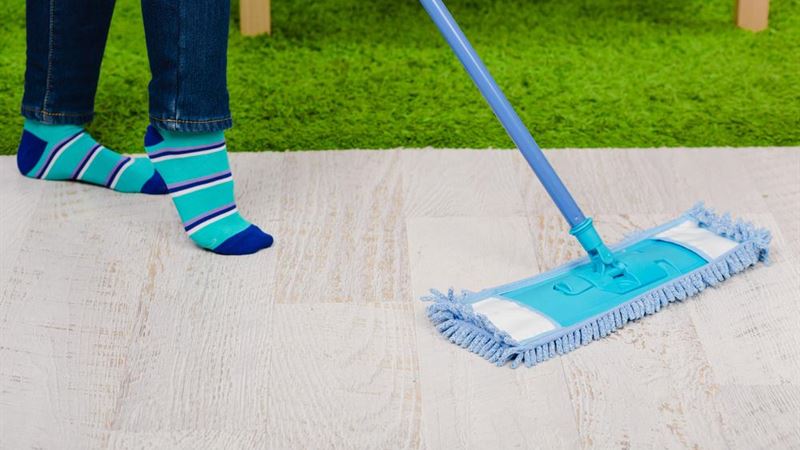
- Use a soft broom or a microfiber dry mop regularly to clear loose dirt. Vacuuming with a soft brush attachment is also effective for cleaning between seams and hard-to-reach areas.
- When washing the floor, avoid using abrasive cleaners or dusters that might scratch the surface. Instead, opt for damp mops or cloths designed for laminate cleaning.
- Always start cleaning from the center of the room and work your way outward to ensure comprehensive coverage.
- After washing, allow the floor to air dry or gently dry it with a microfiber cloth to prevent water spots and damage.
Handling Spills and Stains on Laminate Floors
- Spills should be addressed immediately to prevent liquid from seeping into the seams and damaging the core layer. Blot spills with a soft, dry cloth or a sponge to absorb the liquid quickly.
- For stubborn stains or residues, slightly dampen the cloth with water or a mild cleaning solution and wipe the affected area gently.
- Avoid excessive moisture, as standing water or wet mops can cause the core layer to swell or warp over time.
Cleaning Laminate Floors with Hot Water
- Deep cleaning can be done periodically using hot water—though it need not be boiling—slightly warmer than room temperature, to loosen dirt without risking damage.
- Use a sponge or microfiber mop soaked in hot water, wrung out thoroughly, to wash the surface. This helps remove ingrained dirt and grime effectively.
- Opt for a sponge mop rather than traditional string mops to minimize excess water contact, thus protecting the core layer.
- Always ensure the floor dries well after cleaning to prevent moisture absorption.
Utilizing Vinegar for Eco-Friendly Cleaning
- For a natural cleaning solution, mix approximately 60 milliliters of white vinegar with 1 liter of water. This mixture is safe and effective for removing dirt and light stains.
- Apply the solution with a damp cloth or sponge, wiping gently to restore the floor's shine and cleanliness.
- This method is especially useful for faded or dull-looking laminate surfaces, as vinegar is a natural degreaser and disinfectant.