
Managing Macular Degeneration: Essential Dietary Guidelines and Treatment Options
Discover comprehensive dietary strategies and medical treatments to manage macular degeneration effectively. Learn which foods to include and avoid, and explore advanced therapies like anti-VEGF injections to preserve your vision and maintain eye health.
Macular degeneration, also known as age-related macular degeneration (AMD), is a leading cause of vision loss among older adults worldwide. It progressively damages the macula, the central part of the retina responsible for sharp, detailed vision essential for activities like reading, driving, and recognizing faces. Understanding how diet influences the progression of this eye condition is crucial for prevention and management. Incorporating specific foods rich in essential nutrients can significantly slow down the deterioration of vision, while avoiding certain foods can prevent aggravation. Additionally, advanced medical treatments are available that can help curb the progression of this condition effectively.
Dark leafy greens: The cornerstone of eye health
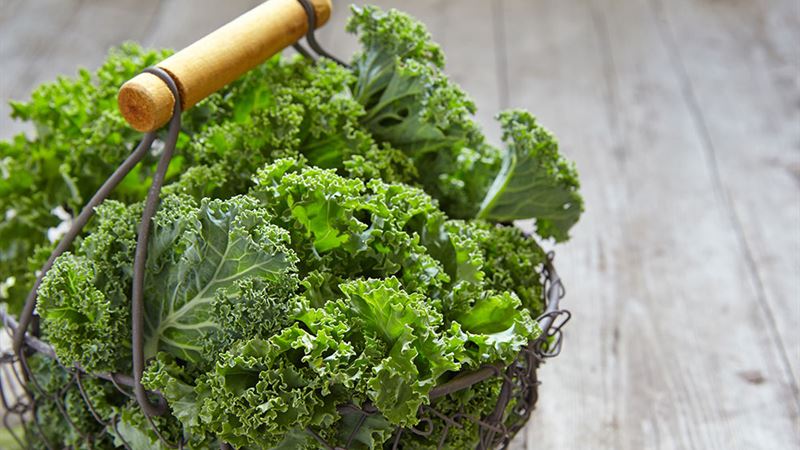
Leafy vegetables such as kale, spinach, collard greens, and watercress are packed with carotenoids, including lutein and zeaxanthin. These antioxidants naturally accumulate in the macula and serve as a protective barrier against harmful blue light and oxidative stress. Consuming a generous serving of these greens regularly enhances the levels of these vital carotenoids, which is vital for maintaining the health of photoreceptor cells in the retina. Besides, colorful vegetables like carrots, sweet potatoes, red peppers, and tomatoes also contribute to the carotenoid pool, supporting the macula's resilience against degeneration.
Fruits rich in vitamin C: Strengthening blood vessels
Blood flow issues due to weakened or damaged blood vessels are pivotal in the development of macular degeneration. Citric fruits such as oranges, grapefruits, kiwis, strawberries, and apples are infot-rich sources of vitamin C. This vitamin is a potent antioxidant that helps strengthen blood vessel walls, reduce oxidative stress, and promote healthy circulation in ocular tissues. Incorporating these fruits into daily diets can mitigate some risk factors associated with degenerative ocular changes. Complementing vitamin C intake with foods high in vitamin E and zinc – like nuts, seeds, and whole grains – can further support eye health by reducing inflammation and oxidative damage.
Omega-3 fatty acids: Protecting retinal integrity
Consuming omega-3 fatty acids has demonstrated protective effects against the progression of macular degeneration. Fatty fish such as salmon, mackerel, sardines, herring, and trout are excellent sources. These oils contain docosahexaenoic acid (DHA) and eicosapentaenoic acid (EPA), which are critical for maintaining the structural integrity of retinal cells. For individuals who do not consume fish, plant-based options such as walnuts, flaxseeds, chia seeds, and Brussels sprouts are viable alternatives. Regular intake of omega-3s helps reduce inflammation and supports the overall health of the retina, thereby potentially slowing disease progression.
Foods to steer clear of for optimal eye health
In addition to emphasizing nutritious dietary choices, it is equally important to avoid certain foods that may worsen vision decline. Processed foods, for example, often contain preservatives, additives, and excess sodium that can promote inflammation and oxidative stress, aggravating macular degeneration. Foods high in unhealthy fats, such as margarine, vegetable shortenings, fried foods, and fatty cuts of meat, can impede blood flow by clogging arteries. These fats can contribute to cardiovascular issues, indirectly impacting ocular blood circulation and accelerating retinal deterioration. Maintaining a diet rich in whole, minimally processed foods is fundamental in managing AMD effectively.
Medical therapies for advanced cases
While diet and lifestyle modifications are foundational in managing macular degeneration, modern medicine offers targeted treatments to slow or halt disease progression. Intravitreal injections of VEGF (vascular endothelial growth factor) inhibitors such as Bevacizumab (Avastin), Ranibizumab (Lucentis), Aflibercept (Eylea), and Brolucizumab (Beovu) have revolutionized treatment. These therapies work by inhibiting abnormal blood vessel growth and reducing leakage in the retina, which are hallmarks of wet AMD. When administered appropriately and timely, these medications can preserve vision and improve quality of life for patients with progressing macular degeneration.
In conclusion, a combination of strategic dietary habits and modern therapeutic interventions can significantly influence the course of macular degeneration. A diet high in leafy greens, colorful fruits, omega-3 fatty acids, and antioxidant-rich foods supports the eye’s natural defenses, while avoiding processed and unhealthy fats minimizes risk. Coupled with medical treatments like anti-VEGF injections, these approaches provide a comprehensive strategy to manage and potentially slow the progression of vision loss caused by this common eye condition.