
Comprehensive Guide to Lymph Nodes: Signs, Causes, and Treatment Options
This comprehensive article explores the crucial role of lymph nodes in immune health, discussing causes of swelling, symptoms, diagnosis, and treatment options. It emphasizes the importance of early medical intervention and offers guidance on managing lymphatic health effectively. Perfect for individuals seeking detailed insights into lymph node concerns and how to maintain optimal immune function.
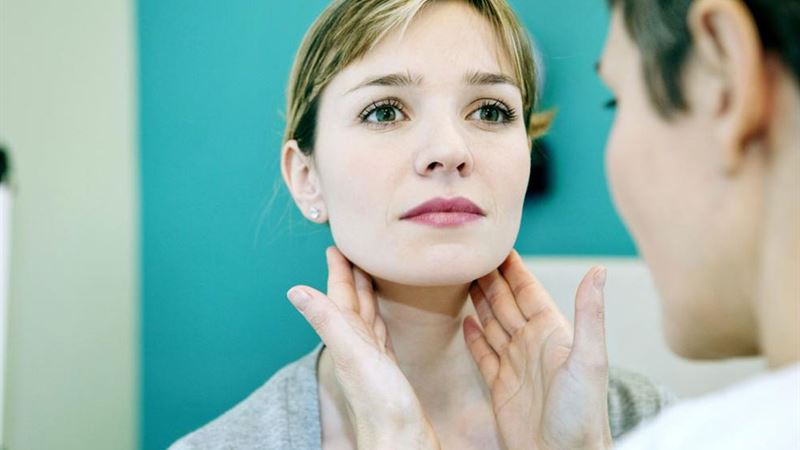
The lymphatic system plays a crucial role in maintaining your body's immune defense, acting as a vigilant barrier against infections and diseases. When lymph nodes become swollen or tender, it often signals an underlying health issue that requires attention. Understanding the anatomy, causes, symptoms, and available treatment options for swollen lymph nodes can help you manage your health proactively.
Understanding the Anatomy and Function of Lymph Nodes
Lymph nodes are small, bean-shaped structures dispersed throughout your body, primarily in regions such as the neck, armpits, groin, chest, and abdomen. They are part of the lymphatic system, which is responsible for filtering lymph fluid that carries waste, bacteria, viruses, and other pathogens. By doing so, lymph nodes serve as checkpoints that trap harmful substances and initiate immune responses.
Each lymph node contains immune cells such as lymphocytes and macrophages, which identify and attack infectious agents. When the body detects an infection or inflammation, these nodes often enlarge as they amplify immune activity. While swollen lymph nodes can be a normal response, persistent or painful swelling warrants medical evaluation.
Primary Causes of Swollen Lymph Nodes
Swollen lymph nodes occur due to various factors, but infections and immune responses are the most common culprits.
- Infections Near Vital Organs:
- Lower Limb and Genital Infections:
- Infections in the Axillary Region:
Infections in areas like the lungs, breasts, neck, or abdomen can lead to swelling in lymph nodes situated close to these organs. For instance, infections of the respiratory system often cause cervical lymphadenopathy, or swollen neck glands. Tumors or malignancies originating near these regions may also cause lymph node enlargement as the immune system responds or as the disease progresses.
Infections of the feet, legs, or genital areas can stimulate the inguinal (groin) or femoral lymph nodes to swell. Such conditions include skin infections, sexually transmitted infections, or systemic diseases that manifest in the lower body.
Swelling in the armpit area often results from infections or inflammations in the arm, chest, or nearby tissues. Conditions like skin infections, abscesses, or even certain autoimmune disorders can trigger axillary lymphadenopathy.
Symptoms Associated with Swollen Lymph Nodes
While some swollen lymph nodes are harmless, certain symptoms indicate a more serious underlying issue.
- Tenderness and Pain:
- Noticeable Swelling:
- Associated Systemic Symptoms:
- Night Sweats and Unexplained Weight Loss:
One of the earliest signs of lymph node swelling is tenderness or discomfort upon palpation. This pain often correlates with an active infection or inflammation.
The enlarged lymph nodes can be felt as lumps under the skin, varying in size from small peas to kidney beans or larger. The swelling is often localized but can sometimes be generalized if multiple nodes are involved.
Infections causing lymphadenopathy may also produce symptoms such as sore throat, fever, fatigue, and a runny nose. For example, viral infections like the common cold or influenza often result in swollen cervical nodes.
Persistent night sweats, unexplained weight loss, or persistent fever may suggest more severe conditions such as lymphoma, leukemia, or other immune-compromising diseases. These symptoms should never be ignored and require prompt medical attention.
When to Seek Medical Help
While mild swelling often resolves on its own, persistent or severe symptoms deserve professional evaluation. You should consult a healthcare provider if:
- The swelling lasts over two weeks or worsens over time.
- The lymph nodes become increasingly tender, hard, or fixed in place.
- Associated symptoms include high fever, night sweats, unexplained weight loss, or persistent fatigue.
- You notice swelling in multiple regions or are unsure about the cause.
Diagnosis and Treatment Options
Diagnosing the cause of swollen lymph nodes involves a combination of physical examination, medical history, and diagnostic tests.
- Physical Examination:
- Laboratory Tests:
- Imaging Studies:
- Biopsy:
The doctor assesses the size, texture, tenderness, and mobility of the lymph nodes.
Blood tests can identify infections or immune disorders. Cultures or serology may be performed for specific infections.
Ultrasound, CT scans, or MRI help visualize deep lymph nodes and surrounding tissues, aiding in diagnosis.
In cases where malignancy is suspected, a biopsy may be necessary to examine tissue sample for cancerous cells.
Treatment Strategies
The treatment approach depends on the underlying cause:
- Antibiotics or Antiviral Medications:
- Managing Autoimmune Disorders:
- Addressing Malignancies:
- Supportive Care:
If an infection is identified, appropriate antimicrobial therapy can resolve the swelling.
For autoimmune-related lymphadenopathy, immunosuppressive drugs or other therapies may be prescribed.
Malignancies like lymphoma or metastatic cancer require oncological treatments such as chemotherapy, radiation, or surgical intervention.
Rest, hydration, and pain management are vital components of supportive treatment during recovery.
Lymph Nodes and Overall Health: Prevention and Care
Maintaining a healthy immune system can reduce the risk of lymph node issues. Practices such as maintaining good hygiene, proper nutrition, regular exercise, and avoiding exposure to infectious sources are foundational. Vaccinations and routine health screenings also contribute significantly to early detection and prevention of diseases that can affect the lymphatic system.
In Conclusion
Understanding the significance of swollen lymph nodes is vital for early diagnosis and treatment. Whether caused by minor infections or serious health conditions, recognizing symptoms and seeking timely medical care can vastly improve outcomes. Always consult a healthcare professional if you notice persistent or unusual lymph node swelling to ensure appropriate diagnosis and management.