Explore our detailed guide to luxury sports cars, highlighting key features, engine types, drivetrain options, ride quality, and ownership costs. Learn useful tips for choosing the perfect high-performance vehicle that balances speed, handling, and luxury, all tailored to your driving environment and budget. Whether you're a seasoned enthusiast or a first-time buyer, this comprehensive overview will help you make an informed decision and enjoy the exhilarating experience of owning a top-tier sports car.
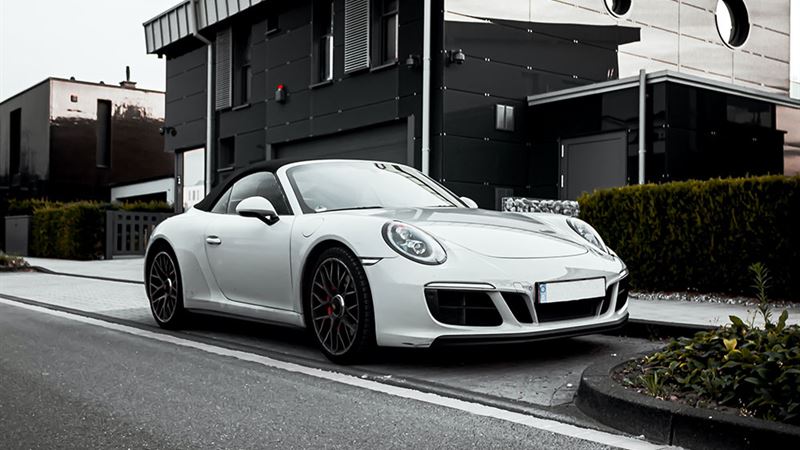
When evaluating high-performance luxury sports vehicles, it's essential to look beyond just the number of cylinders. The internal mechanics, turbocharging features, and model-specific performance modes play a crucial role in determining a car's true speed and agility. For instance, a turbocharged V6 engine can often outperform an aspirated V8 in terms of acceleration and responsiveness, despite having fewer cylinders. Prospective buyers should pay close attention to the vehicle’s torque and horsepower ratings. These figures directly influence how the car performs under various conditions, such as city driving, highway cruising, or off-road adventures. Additionally, understanding the terrain on which the vehicle will predominantly operate ensures selecting an appropriate powertrain and drivetrain configuration. The drivetrain type is a critical aspect that affects handling, stability, and driving experience. Options typically include front-wheel drive, rear-wheel drive, and all-wheel drive systems. The choice depends on intended usage, driving preferences, and terrain compatibility.
While front-wheel drive systems are generally more economical and easier to handle, many enthusiasts prefer rear-wheel drive for its sportier feel and agility. However, all-wheel-drive systems, increasingly popular, provide enhanced traction and balanced handling, especially beneficial in adverse weather conditions or challenging terrains. Choosing an all-wheel-drive variant can be a strategic decision for those seeking superior grip and stability. As the technology advances, AWD systems are becoming more accessible and refined, giving drivers more confidence during high-speed maneuvers or on slippery surfaces. Assessing the quality of the ride is vital before making a purchase. Test drives should include different road conditions—such as bumps and uneven surfaces—to gauge suspension effectiveness and comfort levels. Take your time to experience the vehicle thoroughly and ensure it meets your expectations in terms of ride quality.
High-performance automobiles come with significant ownership costs. Fuel efficiency is generally compromised, and premium-grade fuel is typically required to maintain optimal engine health. Additionally, maintenance expenses—covering tires, brakes, and replacement parts—can be substantial. Potential buyers should budget for ongoing expenses associated with luxury sports cars, including regular maintenance, insurance, and potential repairs. Remember, these vehicles are engineered for excellence but demand diligent care and higher financial commitment. Despite the costs, if your passion for luxury sports cars runs deep, the investment can be justified by the driving experience and prestige they offer. Making an informed decision involves weighing performance benefits against long-term ownership expenses, ensuring you select a model that aligns with both your desires and your budget. In conclusion, choosing a luxury sports car involves careful analysis of engine configurations, drivetrain options, ride comfort, and cost implications. With thorough research and consideration of your driving needs, you can find the perfect vehicle that blends performance, luxury, and value. Remember, when passion meets practicality, your dream car is within reach, and the thrill of driving it is priceless.
