
Essential Guide to Dietary Choices for Managing Diabetes Effectively
This comprehensive guide offers detailed insights into managing diabetes through dietary choices. It highlights foods to avoid like sugary drinks and refined carbs, and emphasizes healthy options such as fatty fish, leafy greens, eggs, and seeds. Proper nutrition plays a vital role in stabilizing blood sugar levels, reducing complication risks, and improving quality of life for diabetics. By following expert-recommended food practices and making informed adjustments, individuals can effectively control their condition, enjoy better health, and lead more active lives. This article serves as a valuable resource for anyone seeking to optimize their diabetes management through diet.
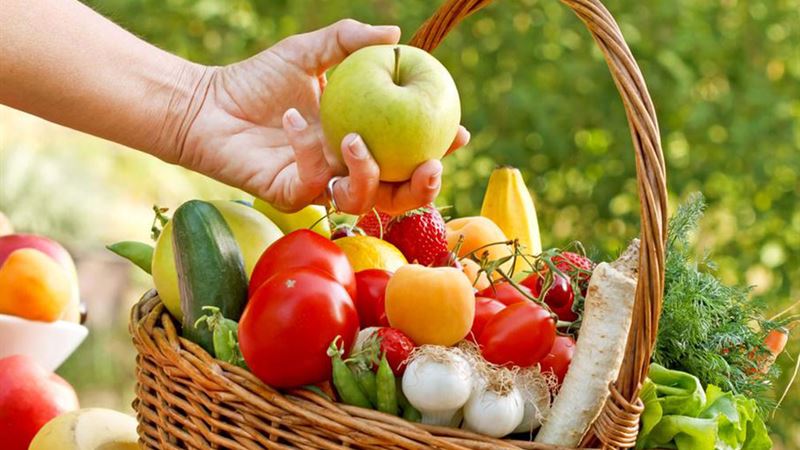
Understanding the Impact of Food on Diabetes Management
Managing diabetes requires careful attention to nutrition and lifestyle choices. The foods you consume directly influence your blood glucose levels and overall health. While no single food can cure diabetes, making informed dietary choices can significantly improve your quality of life and reduce the risk of complications. Certain foods can cause rapid spikes in blood sugar, while others help maintain stable glucose levels. This comprehensive guide aims to identify what foods to avoid and the best options to incorporate into your diet.
Foods to Steer Clear Of If You Have Diabetes
Consuming the wrong types of food can be detrimental for people with diabetes. Here are some of the most common foods that can lead to high blood sugar levels and other health problems when not avoided:
- Sugary Beverages
- Fruit Juices
- Refined Carbohydrates: White Rice and White Flour Products
- High-Fat Dairy Products
- Trans Fats and Processed Snacks
Sweetened drinks are one of the biggest culprits in elevating blood glucose levels swiftly. These beverages are often loaded with processed sugar or high-fructose corn syrup, which are fast-absorbing carbohydrates. Regular consumption of sodas, energy drinks, and sweetened teas or coffees can cause sudden spikes in blood sugar, increasing the risk of insulin resistance and weight gain. Instead, opt for water, herbal teas, or infused water with fresh fruits and herbs to keep hydrated without risking glucose surges.
Although fruit juices may seem healthy, they often contain concentrated fruit sugars, which can elevat blood glucose quickly. Unlike whole fruits, which provide fiber that slows down sugar absorption, juices lack fiber and can cause rapid increases in blood sugar levels. If you crave fruit flavors, it's better to consume whole fruits like berries, apples, or oranges in moderation. They provide essential nutrients and fiber, helping to maintain more stable blood glucose levels.
Foods made from refined grains such as white rice, white bread, white pasta, and baked goods made from white flour are rapidly digested, causing blood sugar spikes similar to consuming sugar itself. These processed carbs have a high glycemic index and can contribute to insulin resistance over time. Swapping these for whole grains like brown rice, quinoa, barley, or whole wheat bread can help control blood sugar and improve overall health. Whole grains contain more fiber, vitamins, and minerals, making them a healthier choice.
Full-fat dairy items like whole-milk cheese, butter, cream, and full-fat yogurt contain significant amounts of saturated fats, which can increase LDL cholesterol levels and heighten heart disease risk—a common concern among diabetics. Consuming low-fat or fat-free dairy options, or plant-based alternatives like almond or soy milk, can help reduce saturated fat intake while still providing essential nutrients. Additionally, saturated fats have been linked to decreased insulin sensitivity, making them unsuitable for diabetes management.
Processed snacks, fast foods, and baked goods often contain trans fats, which are known to promote inflammation and increase cardiovascular risk. These fats are commonly found in margarine, fried foods, biscuits, and commercial baked goods. Limiting or avoiding trans fats can promote heart health and improve insulin response. Look for products labeled “trans fat-free” and prepare food at home using healthy oils like olive or avocado oil.
Foods to Embrace for Better Diabetes Control
Incorporating the right foods into your diet can help manage blood sugar levels, reduce the risk of complications, and promote overall wellbeing. Here are some of the best foods suitable for individuals with diabetes:
- Omega-3 Rich Fatty Fish
- Leafy Greens and Colorful Vegetables
- Eggs: A Nutrient-Dense Protein Source
- Spices and Natural Blood Sugar Regulators
- Chia and Flax Seeds: Powerhouse Seeds for Blood Sugar Control
Salmon, mackerel, sardines, and other fatty fish are excellent sources of omega-3 fatty acids, which have been linked to cardiovascular health benefits. Including these fish in your diet 2-3 times per week can help reduce inflammation, lower triglyceride levels, and decrease the risk of heart disease—a common concern among diabetics. If you’re not a fish lover, consider omega-3 supplements after discussing with your healthcare provider.
Vegetables like spinach, kale, Swiss chard, broccoli, and bell peppers are low in calories and carbohydrates but rich in fiber, vitamins, and minerals. They play a significant role in stabilizing blood glucose levels and provide antioxidative properties that support overall health. Incorporate a variety of vegetables into your meals daily, either raw, steamed, or sautéed, for maximum benefits.
Eggs are a versatile, nutrient-rich protein source that can help you feel full for longer periods. Eating eggs for breakfast or as part of your meals may also aid in reducing cholesterol levels and improving insulin sensitivity. The nutritional benefits are greatest when consuming whole eggs, including the yolks, which contain essential fatty acids and micronutrients beneficial for metabolic health. Moderation is key, and pairing eggs with vegetables or whole grains can optimize their health benefits.
Spices like cinnamon, turmeric, and fenugreek have shown promising effects in improving insulin sensitivity and reducing blood sugar levels. Among these, cinnamon is particularly popular and easy to incorporate into daily diets—adding it to oatmeal, smoothies, or teas. Proper use of natural remedies like cinnamon should complement a balanced diet and lifestyle, and it's advisable to consult healthcare professionals before significant changes.
Both chia and flax seeds are rich in fiber, omega-3 fatty acids, and antioxidants. These seeds can be easily added to cereals, smoothies, salads, or baked goods. Their high fiber content helps slow digestion, preventing blood sugar spikes and maintaining healthy weight. Regular consumption of these seeds over several weeks has been linked to improved glycemic control and heart health among diabetics. Incorporate them into your diet daily for optimal results.
Food choices are fundamental in managing diabetes effectively. Understanding which foods to avoid and which to include can empower you to take control of your health. Always consult with healthcare providers or registered dietitians to tailor a diet plan suited to your specific needs and conditions. Remember, a balanced diet, combined with regular exercise and medication as prescribed, forms the foundation of successful diabetes management. By making these mindful dietary selections, you can lead a healthier, more energized life while keeping your blood glucose levels in check.