
The Rise of Ultra-Lightweight Televisions: A New Wave in Home Entertainment
Experience the future of home entertainment with ultra-lightweight televisions that combine sleek design, advanced OLED technology, and unmatched portability. These innovative TVs are transforming interiors by blending form and function, making entertainment systems more versatile and stylish. Discover why lightweight TVs are set to dominate the market, offering an effortless way to enhance your home's aesthetic while enjoying stunning visuals and features. Stay ahead of the trend with the latest in ultra-thin, high-performance display technology perfect for modern living spaces.
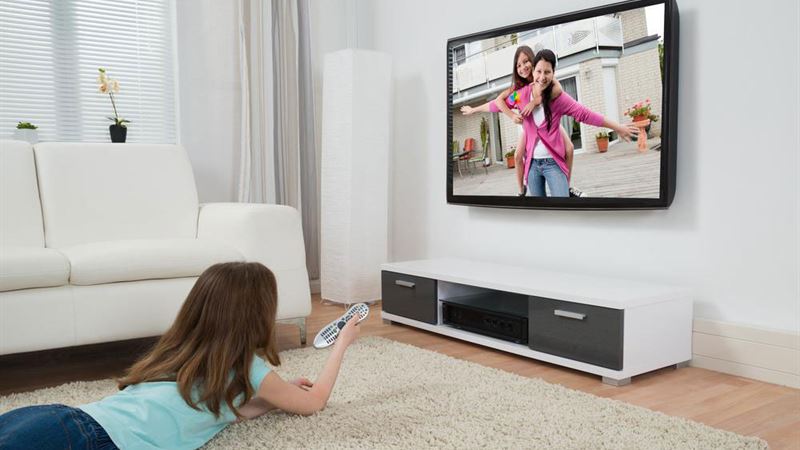
In recent years, the television industry has undergone a remarkable transformation, driven by the pursuit of portability, sleek design, and enhanced viewing experiences. The emergence of ultra-lightweight televisions marks a significant milestone, catering to the evolving needs of modern consumers who prioritize space-saving solutions and aesthetic appeal. This shift is reshaping how we incorporate entertainment technology into our living spaces, making televisions more than just devices—they are now integral elements of interior design and lifestyle choices.Traditional bulky TVs with large cabinets are gradually being replaced by slim, lightweight models that blend seamlessly with contemporary décor. The trend towards ultra-thin screens is not merely about aesthetics; it also involves advancements in screen technology, materials, and manufacturing techniques. Among these innovations, OLED (Organic Light Emitting Diode) technology stands out, enabling manufacturers to produce televisions that are remarkably thin, lightweight, and capable of delivering superior image quality.This article delves into the reasons behind the surge in popularity of lightweight TVs, exploring the technological breakthroughs, design considerations, and consumer preferences that drive this phenomenon. We will also examine specific models leading the market, their features, and why they are poised to become the standard in home entertainment systems.Advantages of Lightweight TelevisionsThe primary appeal of ultra-lightweight TVs lies in their portability and ease of installation. Unlike traditional units that require extensive space and complex mounting arrangements, modern lightweight models can be effortlessly hung on walls, moved around rooms, or even transported for outdoor use. This flexibility significantly enhances user convenience and expands the potential applications of television technology.Moreover, ultra-lightweight TVs contribute positively to interior aesthetics. Their minimalistic profiles and sleek designs complement contemporary home décor, making them a preferred choice among interior design enthusiasts. With the ability to integrate seamlessly into walls or be disguised behind decorative panels, these televisions serve as not just entertainment devices but also as design elements that elevate the overall ambiance.Technological Innovations Powering LightnessSeveral technological advancements have made ultra-lightweight televisions possible. Key among these is OLED display technology, which allows for the creation of ultra-thin and flexible screens. Unlike traditional LCDs that rely on fluorescent backlighting, OLEDs emit their own light through organic compounds, eliminating the need for bulky backlight panels. This results in screens that can be thin enough to resemble a sheet of paper.Additionally, the use of lightweight materials such as ultra-thin glass, carbon fiber composites, and innovative plastics has lowered the overall weight of television units. Manufacturers are also employing newer manufacturing processes that reduce material usage without compromising durability or performance.Market Leaders and Notable ModelsLeading technology companies are launching models that exemplify the ultra-lightweight trend. For instance, LG's Signature OLED W series embodies the pinnacle of thinness and lightweight design, featuring models in 65 and 77 inches with a thickness of just 2.57mm and weighing under five pounds. Such models showcase not only cutting-edge display technology but also highlight the importance of aesthetics, convenience, and innovation.Other brands like Samsung, Sony, and Panasonic are also developing similar solutions, focusing on ultra-slim, high-definition displays that cater to modern lifestyles. These models often incorporate smart features, voice control, and compatibility with smart home systems, further enhancing their versatility and appeal.The Future of Light, Thin, and Smart DisplaysThe trajectory of the lightweight TV industry suggests a future where televisions are virtually invisible or can be integrated into the very fabric of our homes. Concepts like wallpaper TVs—displays that can be rolled or affixed like wallpaper—are becoming increasingly feasible. Such innovations will redefine interior design possibilities, allowing homeowners to customize their living spaces with dynamic, functional art pieces.Furthermore, advancements in flexible display technology promise televisions that can be bent or curved, offering new aesthetic and functional options. As manufacturing costs decrease and technology matures, ultra-lightweight, high-performance televisions are expected to become more accessible, heralding a new era of minimalist, high-tech home entertainment setups.Why Consumers Are Embracing Lightweight TelevisionsConsumers today are more design-conscious and enjoy personalized living environments. Ultra-lightweight TVs align perfectly with these preferences, offering multifunctionality and ease of use. The ability to mount a TV flush against the wall or hide it behind artwork enhances the overall aesthetic appeal of a room.Furthermore, portability means that these televisions can be used in various settings—from bedrooms and living rooms to outdoor patios or even temporary setups during events or gatherings. This level of flexibility and style integration marks a significant shift from conventional entertainment solutions.Conclusion: The New Standard in Home EntertainmentThe advent of ultra-lightweight televisions signifies a paradigm shift in how we experience home entertainment. They combine technological excellence with elegant design, offering a seamless blend of form and function. As manufacturers continue to innovate, we can anticipate even thinner, smarter, and more versatile displays in the near future.Whether you're a tech enthusiast, interior designer, or ordinary consumer looking to optimize space and aesthetics, embracing lightweight TVs is a step toward a more sophisticated, stylish, and user-friendly entertainment environment. This trend not only reflects advancements in display technology but also underscores a broader move towards minimalist and integrated home design solutions.