
Comprehensive Guide to Modern Lighting Solutions for Your Home
Explore the comprehensive guide to modern lighting options for your home, including LEDs, incandescent, halogen, and reflector bulbs. Learn about energy efficiency, application tips, and the latest innovations in lighting technology to create a stylish, eco-friendly living space. Make smarter choices with expert insights and detailed descriptions tailored for homeowners seeking quality illumination and cost savings.
Effective home illumination has become an essential aspect of modern living, combining energy efficiency, aesthetics, and functionality. A pivotal initiative in this domain is the Lighting Understanding for a More Efficient Nation, commonly known as LUMEN. Spearheaded by the American Lighting Association in collaboration with the National Electrical Manufacturers Association and over 40 other organizations, LUMEN aims to promote smarter lighting choices that reduce energy consumption and enhance the ambiance of living spaces.
Exploring Different Types of Light Bulbs
- LEDs (Light Emitting Diodes)
LEDs are among the most popular lighting options in contemporary homes due to their superior efficiency and durability. These small, semiconductor-based components consist of a chip encased within a plastic or epoxy lens, which emits light when an electric current passes through it. LEDs are highly versatile, making their way into various fixtures like downlights, under-cabinet lighting, and task lamps. Their long lifespan and low energy consumption contribute significantly to household savings. Recognized by the Energy Star label, LED bulbs meet strict standards for energy efficiency and performance, ensuring consumers receive high-quality, environmentally-friendly illumination.
- Incandescent Bulbs
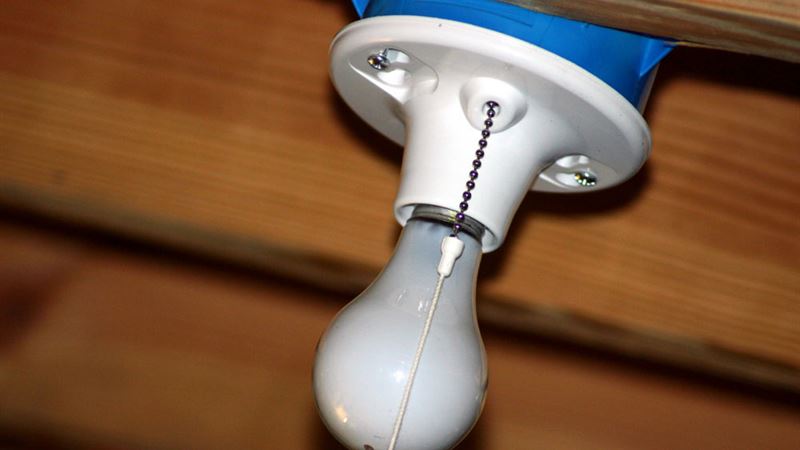
The classic incandescent bulb works by passing an electric current through a filament, causing it to glow and produce light. Despite being one of the earliest forms of electric lighting, incandescent bulbs remain favored for their warm color temperature and quick flicker-free start. They are particularly valued in settings where warm, inviting light is desirable. However, they are less energy-efficient compared to modern options. The Energy and Independence Act of 2007 mandated that incandescent bulbs must produce the same amount of light for less power, leading to the development of more efficient variants. - Types of Incandescent Bulbs
- General Service Bulbs
Typically known as the standard bulb, these are economical and widely available. Common in households during the 20th century, they emit a warm yellow hue and are suitable for general lighting. Their design features various shapes, including the classic shape, globe, and decorative styles. - Reflectorized Bulbs
Incorporating a reflective coating, these bulbs direct light predominantly in one direction, making them ideal for accent or task lighting. Their efficiency in focusing light allows for better illumination control. - Parabolic Aluminized Reflector (PAR) Bulbs
These are designed for directional lighting where precise control of the light beam is needed. Frequently used in outdoor floodlights, stage lighting, and track lighting, PAR bulbs produce intense, focused beams with high clarity. - Tungsten-Halogen Bulbs
An advanced type of incandescent, tungsten-halogen bulbs emit brighter, whiter light and have a longer lifespan. Known for their high wattage output, they are suitable for floodlights, spotlights, and studio lighting. - Halogen Bulbs
Available in line and low-voltage variants, halogen bulbs are known for their crisp, bright light. Line voltage models operate at approximately 120 volts and are used in standard fixtures, while low-voltage types operate at about 12 volts and are popular in landscape or accent lighting.
Modern lighting choices focus on energy efficiency, longevity, and aesthetic appeal. Transitioning from traditional incandescent bulbs to LED variants significantly reduces energy consumption while maintaining quality illumination. When selecting lighting options for your home, consider factors such as brightness, color temperature, energy ratings, and application to create a comfortable and sustainable environment.
With advancements in lighting technology, homeowners can enjoy enhanced ambiance, improved energy efficiency, and reduced utility bills by choosing the right types of bulbs for each setting. Innovative solutions like smart lighting systems integrate with home automation, allowing remote control, dimming, and scheduling to optimize energy use and convenience.
In conclusion, understanding the different types of light bulbs, their features, and applications enables consumers to make informed decisions that benefit both their households and the environment. As the industry continues to evolve, staying updated on new technologies ensures homes are illuminated efficiently, safely, and stylishly.