
Comprehensive Guide to Pet Fur Care: Essential Strategies, Common Pitfalls, and Expert Tips
Proper pet grooming is essential for health and comfort, preventing infections, matting, and skin issues. Avoid common mistakes like overbathing, improper ear cleaning, and shaving. Use tailored routines, quality tools, and professional services for optimal results. Regular grooming not only keeps your pet clean but also enhances your bond. Consult your veterinarian for advice and follow best practices to ensure your furry friend's wellness. This comprehensive guide offers expert tips and practical advice for pet owners striving for excellent fur care.
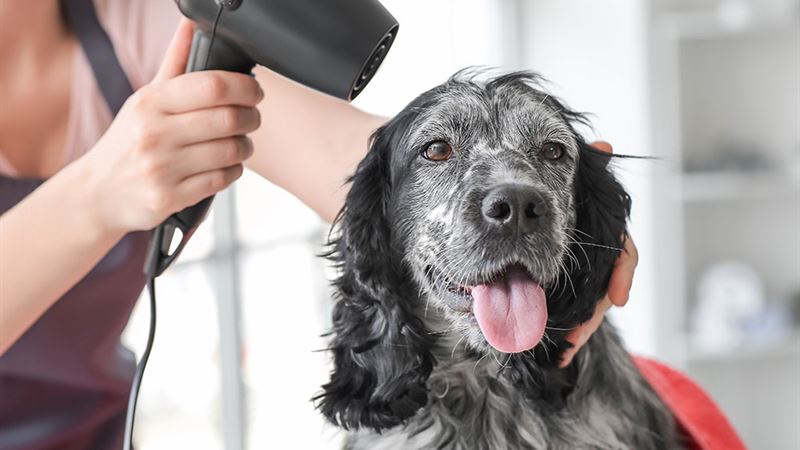
Proper grooming is a vital aspect of pet ownership that goes far beyond simple cleanliness. Regular fur maintenance enables pet owners to monitor their beloved animals for early signs of health issues such as infections, lumps, inflammation, skin rashes, or lesions. Detecting these problems early can significantly improve treatment outcomes and ensure your pet remains happy and healthy. Grooming also contributes to a pet’s overall well-being by keeping their coat clean and free from debris, dirt, and parasites. This comprehensive care reduces the likelihood of matting, which can cause discomfort, painful abrasions, ulcers, or skin infections if left unaddressed.
In addition, proper grooming fosters a stronger bond between pets and their owners, as it involves gentle handling and attention during each session. While the process may require patience and consistency, understanding common mistakes and best practices can transform grooming from a chore into a rewarding and stress-free routine. In this detailed guide, we’ll examine notable grooming errors to avoid, share expert tips on effective fur care, and explore recommended tools and products to enhance your pet’s grooming experience.
The significance of regular pet grooming cannot be overstated. It not only maintains the aesthetic appeal of your pet but also promotes excellent health by preventing skin issues, parasites, and infections. Additionally, well-maintained fur can prevent overheating in summer months or hypothermia in cold weather, especially for breeds with thick or double coats. Recognizing the importance of tailored grooming routines based on your pet's breed, age, and coat type is crucial for optimal care. Now, let’s delve into some common grooming mistakes that pet owners often make and understand how to prevent them effectively.
Common Grooming Mistakes to Avoid
- 1. Shaving pets during summer months
Many pet owners believe that shaving their dog’s or cat’s fur can help them cope better with the heat. While it might seem intuitive, this practice can inadvertently cause more harm than good. The coats of most animals serve as natural insulators, balancing their body temperature regardless of seasonal changes. When the fur is shaved, the skin becomes exposed to direct sunlight, increasing the risk of sunburn and heatstroke. Moreover, shaving can damage hair follicles, impeding proper hair regrowth, leading to patchy or dull-looking fur, and sometimes even causing long-term coat issues. Therefore, consulting your veterinarian before opting for a shave is highly recommended.
- 2. Cleaning inside the ears improperly
Ears are delicate and sensitive structures prone to infection if not cleaned correctly. During baths, it’s tempting to wipe or dab inside the ear canals, but this is a mistake. Moisture trapped within the ear canal creates an ideal environment for bacteria and yeast to thrive, leading to infections, swelling, and discomfort. Pet owners should avoid inserting cotton swabs or liquids deep into their pet’s ears. Instead, gently cleaning the outer ear with vet-approved ear wipes or a damp cloth is sufficient. If you notice excessive wax, foul odor, or signs of infection, consult a veterinarian promptly.
- 3. Brushing a wet coat
Many pet owners make the mistake of brushing their pet’s fur immediately after bathing. Wet hair clings together, making it difficult to detangle and increasing the likelihood of painful hair tugging and breakage. Additionally, brushing wet fur can exacerbate matting and knots, especially in long-haired breeds. For best results, wait until the coat is thoroughly dry—either naturally or with a pet-safe dryer—before brushing. Using a detangling spray or conditioner formulated for pets can also make the process smoother and minimize discomfort.
- 4. Overbathing your pet
Frequent baths may seem like a good idea, especially if your pet smells or gets dirty often. However, overbathing strips the fur of its natural oils, vital for healthy skin and coat shine. It can also cause dry skin, irritation, and exacerbate existing dermatological issues. Generally, a monthly bath is sufficient unless recommended otherwise by your veterinarian. Use gentle, pet-specific shampoos suited to your pet’s breed and skin condition to maintain a natural protective barrier. Always ensure thorough rinsing to remove all shampoo residues.
For premium grooming services, consider taking your pets to professional salons like PetSmart’s Grooming Salon, which offers tailored services including bathing, trimming, de-shedding, and special care for young or elderly pets. Professional groomers are trained to handle different coat types and can provide expert advice on grooming routines.
Effective Grooming Tips and Recommendations
Although grooming can be labor-intensive, employing strategic tips and the right techniques can streamline the process and make it more enjoyable for both you and your pet. Here are some guidelines to help you achieve a successful grooming routine:
- 1. Recognize your pet’s individual grooming needs
Each breed has specific grooming requirements based on coat type, length, and activity level. For example, short-haired breeds typically require brushing once a week using a rubber brush to distribute natural oils, whereas long-haired breeds benefit from daily brushing with specialized tools to avoid matting. Double-coated breeds, like Huskies or Golden Retrievers, need regular de-shedding and daily brushing to manage shedding effectively. Understanding these nuances helps tailor your grooming routine for optimal health and appearance.
- 2. Establish a consistent grooming schedule
Consistency is key to successful grooming. Create a timetable that fits your pet’s needs and stick to it. Regular sessions help your pet tolerate grooming better and reduce stress. Incorporate grooming tasks into your routine, such as daily brushing or weekly baths, and ensure you allocate enough time for each session. Keeping grooming sessions positive and rewarding—using treats and praise—can help your pet associate grooming with a pleasant experience.
- 3. Use the right tools and products
Invest in quality grooming tools tailored to your pet’s coat. Rubber-bristled brushes are excellent for distributing oils and maintaining short coats, while slicker brushes and wide-tooth combs work well for longer or curly fur. Special de-shedding tools can significantly reduce shedding, and pet shampoos formulated for specific skin types ensure a gentle clean. Avoid using human grooming products, as they can irritate your pet’s skin or disrupt their natural oils.
- 4. Mind the environment during grooming
Choose a comfortable, well-lit space with easy access to water and grooming supplies. Using a grooming table can help keep your pet secure and prevent strain on your back. If a table isn’t available, lay down rubber mats or towels to prevent slipping. Maintain a calm and patient demeanor to make grooming sessions less stressful, and take breaks if your pet shows signs of discomfort or anxiety.
- 5. Prioritize health during grooming
While grooming, regularly check your pet’s skin for signs of infection, parasites, or abnormalities. Pay attention to paw pads, nails, ears, and eyes. Trimming nails properly, cleaning ears gently, and inspecting the skin can prevent minor issues from becoming major health concerns. If you discover anything unusual, seek veterinary advice promptly.
Proper grooming is a crucial component of responsible pet ownership. It supports your pet’s physical health, enhances their comfort, and strengthens the bond you share. Remember, patience, consistency, and the right tools are your best allies in maintaining a happy, healthy, and beautiful pet.