
Comprehensive Guide to Pest Control: Strategies, Benefits, and Eco-Friendly Solutions
Discover the importance of comprehensive pest control strategies, including benefits, expert insights, and eco-friendly options. Learn how regular pest management ensures safety, cost savings, and environmental health while effectively preventing and eliminating pests in residential, commercial, and agricultural settings.
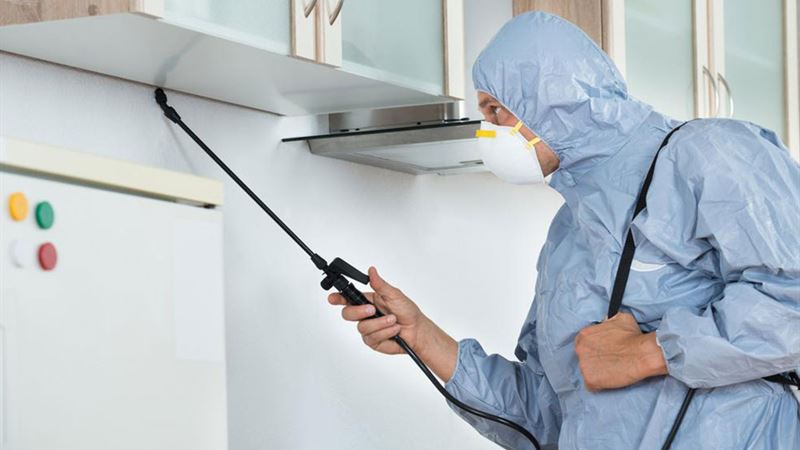
Pest management plays a vital role in maintaining health, safety, and hygiene in residential, commercial, and agricultural settings. The process involves targeted application of chemical and natural substances designed to eliminate or prevent pests such as insects, rodents, and other unwanted creatures. Effective pest control begins with identifying the root cause and deploying appropriate treatments to prevent pests from becoming a persistent problem. By implementing strategic pest management plans, property owners can stop pest infestations before they start, ensuring a safer, cleaner environment.
Implementing regular pest control routines provides multiple advantages, not only in keeping pests at bay but also in promoting a healthier living and working environment. Routine inspections and treatments can significantly reduce the risk of pest-related health issues, property damage, and agricultural crop loss. Early detection and intervention are crucial for controlling pests effectively—long before they become overwhelming or cause significant damage. Engaging with certified pest control professionals ensures the application of targeted remedies tailored to specific problems, whether it involves indoors living spaces, outdoor gardens, or large-scale farms.
Below are the primary benefits of adopting a comprehensive pest control strategy:
- Cost Efficiency and Consistency: Contracting pest control services on a regular basis can lead to substantial savings. Subscription plans or long-term service agreements ensure continuous protection and often come at discounted rates. Scheduled visits allow technicians to monitor pest activity proactively, preventing infestations and reducing the need for extensive, costly treatments later. Consistent pest management promotes healthier living environments for families, protects the safety of pets, and preserves the integrity of agricultural fields.
- Expertise in Pest Identification and Treatment: Professional pest control technicians utilize their expertise to conduct thorough inspections tailored to each property. They assess the extent of infiltration, identify specific pest types, and recommend the most effective treatment options. Different pests require varied approaches, from targeted baits to chemical fumigation. Without professional guidance, homeowners or farmers might not recognize the areas heavily infested or understand that certain pesticides are more suitable for particular pests or surfaces. Expert intervention ensures correct diagnosis and treatment, reducing unnecessary chemical use and improving success rates.
- Health and Safety Considerations: Severe pest infestations sometimes necessitate the use of powerful pesticides or chemical agents. While these treatments are highly effective, they may pose health risks to humans, especially vulnerable groups like children and the elderly. Such scenarios might require temporarily relocating residents or pets to avoid exposure. Professional pest managers take safety precautions to limit human and environmental risks, using protective gear and precise application methods.
For eco-conscious consumers, environmentally friendly pest control options are increasingly available. These solutions leverage naturally derived compounds and biological agents that minimize or eliminate the use of toxic chemicals. Eco-friendly treatments are safe for families, pets, and the planet while still effectively managing pest problems. They are often used in conjunction with integrated pest management systems that focus on sustainable, long-term solutions rather than merely eradicating pests with chemical agents.
In conclusion, adopting regular, professional pest control practices is essential not only for pest eradication but also for health, safety, and environmental sustainability. Whether employing chemical-based solutions or eco-friendly alternatives, the key is regular monitoring, targeted treatment, and future prevention strategies. Collaborating with trained pest control specialists ensures effective, safe, and environmentally responsible pest management tailored to the unique needs of each property. This proactive approach guarantees a pest-free, healthier environment for families, farms, and businesses alike.