
Comprehensive Personal Care Services in Senior Home Care Programs
Explore the range of comprehensive personal care services available in senior home care programs. Learn how trained caregivers assist with hygiene, mobility, nutrition, and health management to promote independence, dignity, and well-being for seniors. Discover tailored solutions that prioritize comfort, safety, and emotional support within the comfort of home.
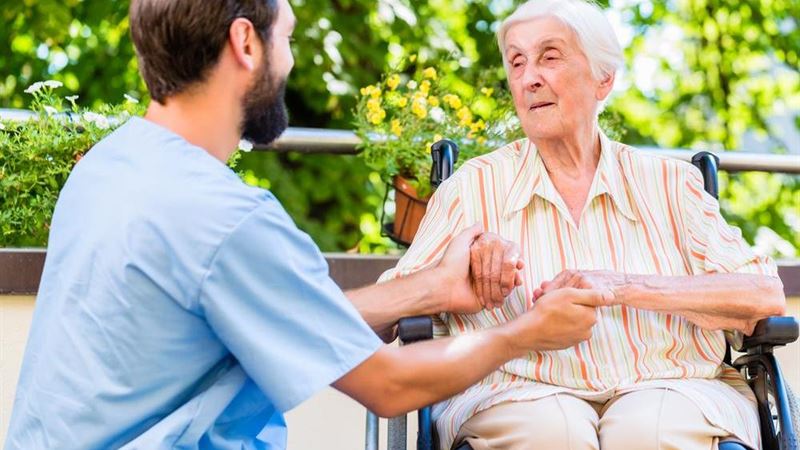
Personal Hygiene and Grooming Support
One of the key components of senior home care is assisting with personal hygiene. Caregivers are skilled in helping seniors bathe, dress, and maintain their grooming routines while prioritizing comfort and privacy. This support alleviates the physical strain on seniors and ensures they stay clean and healthy. Additionally, caregivers provide gentle assistance with toileting, helping seniors carry out these essential activities with dignity and respect, thereby preserving their self-esteem and morale.
Mobility and Physical Activity Assistance
Maintaining mobility is essential for seniors’ health and independence. Senior home care services include various levels of mobility support tailored to each individual's needs. Caregivers help seniors stay active by accompanying them on short walks, encouraging daily exercises prescribed by physiotherapists, and assisting with transfers and standing. This not only promotes physical health but also supports mental well-being, preventing feelings of isolation and depression.
Nutrition and Meal Preparation
Accepting limitations with eating can be challenging for many seniors. Professional caregivers work to make mealtime an enjoyable experience, preparing nutritious, customized meals aligned with dietary restrictions prescribed by healthcare professionals. They help with feeding when necessary, ensuring seniors receive essential nutrients and maintain a balanced diet, which is crucial for their overall health and recovery.
Positioning and Transfer Support
Moving seniors from one position to another requires skill and care. Caregivers are trained in proper transfer techniques to minimize discomfort and prevent injuries. They assist seniors in changing positions, whether moving from a sitting to a lying position or assisting with bed transfers, while also working to improve posture and stability, thereby reducing the risk of falls and other accidents.
Health Monitoring and Medication Management
Essential to senior care is ensuring that seniors adhere to their medication schedules. Caregivers serve as reminders for taking prescribed medications at the right times, and may also monitor for potential side effects or health changes. This proactive approach helps in managing chronic conditions effectively and ensures that seniors stay on their prescribed treatment plans.