
Advantages and Versatility of Motorhomes for Travel and Living
Discover the extensive advantages of owning or renting a motorhome, from cost savings and travel flexibility to emergency shelter and lifestyle versatility. Learn about the different classes of motorhomes and practical tips for making the most of this mobile lifestyle. Whether for leisure, emergency, or everyday living, motorhomes provide unmatched convenience and freedom for adventurers and families alike.
Exploring the Benefits and Uses of Motorhomes
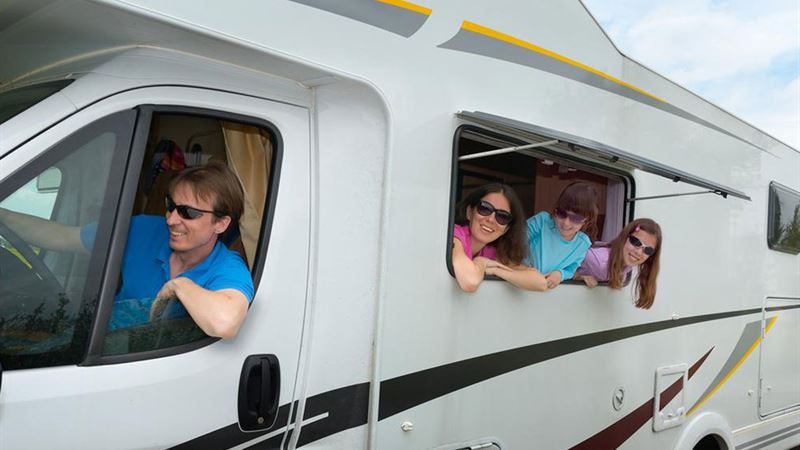
Motorhomes, also known as RVs (Recreational Vehicles), present a unique blend of mobility, comfort, and convenience that makes them an excellent investment for adventure seekers, travel enthusiasts, and even those needing flexible living solutions. Whether you choose to purchase or rent a motorhome, it offers significant savings on accommodation and dining expenses, transforming travel into an independent and customizable experience. The freedom to go wherever you like, whenever you want, appeals strongly to the American spirit of exploration, but its advantages extend far beyond leisure trips.
Owning a motorhome allows travelers to craft their own journeys without the constraints of hotel bookings or fixed schedules. It provides an all-in-one solution for transportation, sleeping quarters, and living space, making spontaneous trips more feasible and enjoyable. Rental options tend to be more economical for occasional travelers, enabling access to various sizes and classes suited to different budgets and needs, from compact B-classes ideal for couples to luxurious A-class models for families or luxury travel. This flexibility makes motorhomes an attractive option for a diverse range of users.
Beyond recreational use, motorhomes can play a crucial role during emergencies and natural disasters. They function as temporary shelter, offering a reliable refuge in areas affected by floods, storms, or other crises. Their self-contained systems, equipped with essentials like water, power, and cooking facilities, ensure safety and comfort in challenging conditions. Additionally, they can serve as mobile clinics, command centers, or relief stations, aiding disaster response efforts by providing quick and efficient shelter and operational bases.
In everyday life, motorhomes foster social interactions and create opportunities for family bonding and community gatherings. Their spacious interiors accommodate small family reunions, birthday parties, or outdoor events. The multiple rooms and large storage capacities allow for easy organization and convenience. For instance, they can function as dressing rooms, changing areas, or even makeshift offices for remote working professionals. The ability to set up comfortable living spaces anywhere adds a level of versatility that traditional homes or hotels cannot match.
Living in a motorhome during winter or in cold climates is feasible thanks to its insulated structure and heating systems. Modern models come equipped with features that ensure warmth and comfort, allowing full-time living in various weather conditions. The ample storage space can hold winter gear and essential supplies, enabling inhabitants to enjoy seasonal travel or extended stays in remote locations without sacrificing comfort.
Despite their many advantages, motorhomes do present some challenges. One of the main drawbacks is finding suitable parking or designated camping spots in preferred locations, which can be particularly problematic in urban areas with limited infrastructure. Many city parking zones impose high fees on larger Class A motorhomes, making overnight stays costly. However, rural and countryside areas generally offer plentiful free or low-cost parking options, attracting travelers looking for budget-friendly solutions. Planning ahead and researching local regulations are essential to enjoy a hassle-free experience.
Motorhomes come in various sizes, classes, and price ranges, allowing users to select a model that perfectly fits their lifestyle and financial capacity. The three primary classes include Class A, B, and C, each offering different features, amenities, and levels of luxury. Class A motorhomes are the most spacious and feature-rich, designed for long-term living and comfort. Class B models are more compact, resembling vans and offering greater maneuverability for city driving. Class C models strike a balance between the two, providing enough space and convenience without the bulk of larger units.
In conclusion, motorhomes are more than just vehicles—they are portable homes and versatile tools that enhance travel, emergency preparedness, and everyday living. Their adaptability makes them suitable for solo explorers, families, retirees, or even remote workers. As the demand for flexible lifestyles and outdoor adventures grows, motorhomes continue to evolve, incorporating smarter technology, better insulation, and eco-friendly features. Whether for leisure trips or emergency use, investing in a motorhome offers a unique combination of freedom, comfort, and functionality that’s hard to match.