
Comprehensive Guide to Organizing Files with Filing Cabinets
Discover the ultimate guide to organizing files efficiently with various types of filing cabinets. Learn about vertical, lateral, mobile options, and storage solutions designed to maximize space, security, and accessibility. Perfect for office managers and organizational enthusiasts looking to enhance workspace productivity and security with durable, stylish, and functional filing systems.
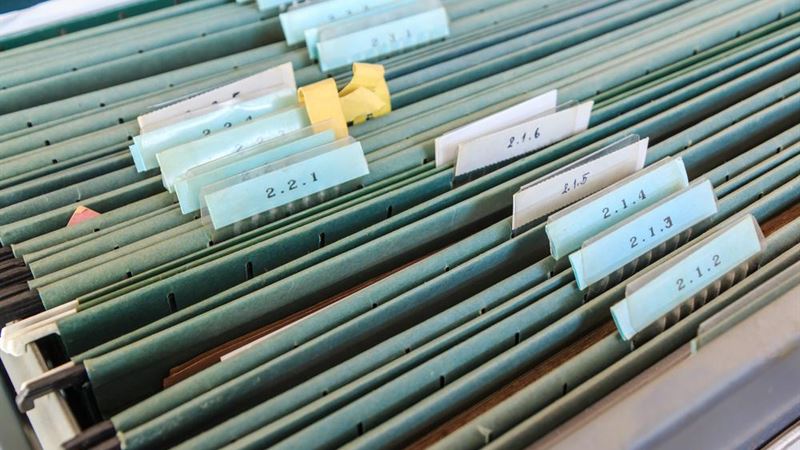
Efficient organization of documents is essential for maintaining productivity and ensuring quick access to important files in any office or workspace. One of the most effective solutions for keeping your files systematically arranged is investing in high-quality filing cabinets. There are various types of filing cabinets tailored to different organizational needs, materials, and space preferences. Understanding the characteristics and advantages of each type can help you select the ideal storage option for your environment.
Filing cabinets generally fall into two primary categories based on their design: vertical and lateral. Vertical filing cabinets are characterized by their tall, narrow structure with multiple drawers stacked vertically, whereas lateral cabinets are wider, offering drawers that extend horizontally. Both types are widely used for their space-saving abilities and security features. These cabinets are manufactured from a range of durable materials, including steel, wood, and plastic-coated finishes, to match different aesthetic and functional requirements.
High-quality steel filing cabinets are renowned for their robustness, resilience to wear and tear, and enhanced security, often featuring integrated lock mechanisms. Wooden cabinets, although less common, are preferred in environments where aesthetics and creating a warm, inviting atmosphere are priorities. Plastic-coated cabinets offer a modern, lightweight alternative that is easy to clean and maintain, making them suitable for dynamic workspaces.
Security is a crucial aspect of filing cabinets, especially when handling sensitive or confidential information. Most units come equipped with locking mechanisms that secure individual drawers or the entire cabinet. This ensures that unauthorized personnel cannot access private documents, providing peace of mind and compliance with data protection standards.
- Vertical Filing Cabinets
- Lateral Filing Cabinets
- Mobile Filing Cabinets
- Storage Boxes and Portable Units
Let’s examine each type in more detail to understand their unique features and ideal use cases.
Vertical Filing Cabinets
These cabinets are primarily constructed from steel or wood and feature multiple drawers stacked one above the other, accessible via a central locking system. Their compact, upright design makes them ideal for offices with limited space. Vertical units efficiently store a high volume of files vertically, allowing users to access documents easily without taking up excessive floor area. They are well-suited for densely populated workspaces or small offices needing organized storage solutions.
Lateral Filing Cabinets
Lateral cabinets, known for their broader, horizontally oriented drawers, are excellent for applications requiring quick retrieval of large or bulky files. They are also secured with locking systems and can accommodate more extensive files or documents. Their wider structure enables more drawers per unit, making them suitable for dense storage needs in office environments that demand easy access and high capacity. Additionally, their design often complements modern interiors.
Mobile Filing Cabinets
These versatile units are designed with mobility in mind, featuring wheels that allow users to move them effortlessly around the workspace. Typically made of sturdy metal, mobile cabinets can be placed conveniently near workstations or moved to different areas as needed. They are particularly useful in dynamic or collaborative environments where flexible storage is required. Due to their portability, they often serve as supplementary storage units for files that are accessed frequently.
Storage Boxes and Compact Units
Made from plastic, cardboard, or lightweight materials, storage boxes are ideal for organizing files temporarily or for off-site storage. These units are highly portable and can be easily rearranged or stored away when not in use. They are suitable for filing papers that do not require frequent access but still need to be kept organized and protected. Storage boxes are an economical and space-efficient option for both office and home use.
Choosing the right filing cabinet depends on several factors, including office space, security needs, number of files, and aesthetic preferences. It’s advisable to select products from reputable brands that offer reliable after-sales service, warranty, and maintenance support. Proper storage solutions not only enhance organizational efficiency but also contribute to a professional and clutter-free workspace.
In conclusion, investing in appropriate filing cabinets can dramatically improve your office’s workflow and document management. Whether you prefer vertical, lateral, mobile, or storage boxes, understanding their features and benefits will help you make informed decisions to optimize your filing system.