
Comprehensive Insights into Nursing Careers in Japan: Opportunities, Challenges, and Pathways
Explore the extensive opportunities and challenges faced by nurses in Japan. This comprehensive guide details various nursing roles, essential requirements, and career growth prospects within Japan's advanced healthcare system. Learn about the necessary qualifications, language skills, and cultural adaptations needed for success. Discover how Japan's aging population creates immense demand for nursing professionals and the pathways to entering this rewarding profession. Whether you're considering international nursing or seeking career advancement, this article provides valuable insights into succeeding in Japan’s healthcare environment and building a fulfilling nursing career.
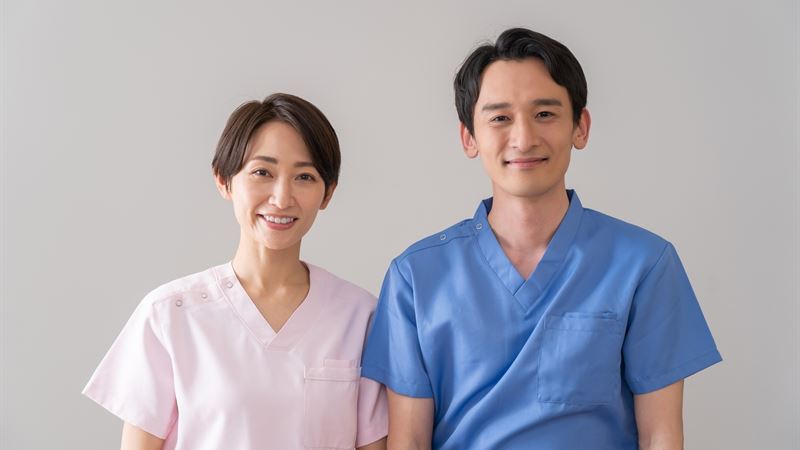
An In-Depth Look at the Various Nursing Roles in Japan
Nursing careers in Japan encompass a diverse range of roles, each contributing uniquely to the country's healthcare system. Understanding these roles is essential for both aspiring nurses and healthcare professionals seeking international opportunities. The main categories include general hospital nurses, community health nurses, specialized practitioners like midwives, and practical nurses, each with specific education pathways and responsibilities.
1. Registered Nurses (RNs): The Backbone of Patient Care
Registered nurses in Japan play a vital role in providing comprehensive patient care across various settings, including hospitals, clinics, and specialized medical facilities. Their responsibilities include monitoring patient health, administering medications, supporting doctors with diagnosis and treatment plans, and educating patients about health management. To qualify, candidates must complete a recognized nursing program, typically lasting three to four years, and pass the national nursing licensing examination. Proficiency in Japanese is critical, as all examinations and daily communications are conducted in Japanese, underscoring the importance of language skills for international applicants.
2. Community and Public Health Nurses: Promoting Wellness Beyond Hospitals
These nurses focus on preventive care and health promotion within communities. Their work spans schools, workplaces, government health agencies, and outreach programs. They develop health education campaigns, conduct screenings, and provide prenatal and postnatal care. The role requires a strong understanding of public health policies and community engagement strategies. In addition to a nursing diploma, specialized training in public health or community health nursing enhances career prospects in this domain.
3. Midwives: Supporting Birth and Postnatal Care
Midwives in Japan are highly trained specialists who provide prenatal, childbirth, and postpartum care. Their scope extends to family planning and gynecological health. Becoming a licensed midwife involves acquiring additional certifications beyond basic nursing education, often through specialized training programs. Midwives work in hospitals, birthing centers, and community clinics, playing an essential role in maternal health. Their work environment demands excellent communication skills and sensitivity to patient needs.
4. Licensed Practical Nurses (LPNs): Providing Foundational Support
In Japanese, LPNs are known as 'Junkan Bai.' They serve as essential members of the healthcare team, offering basic nursing care under supervision. Typically, their qualifications include a diploma or certificate from vocational or technical schools. Tasks include dressing wounds, assisting with daily living activities, and monitoring vital signs. Their role provides an accessible entry point into Japanese healthcare for overseas nursing professionals seeking initial experience or part-time positions.
Essential Requirements for Nursing Practice in Japan
Entering the nursing workforce in Japan involves meeting stringent educational and regulatory standards. Whether you are a native or an international applicant, understanding these prerequisites is crucial to successful integration into Japan’s healthcare system.
1. Educational Qualifications
Eligibility requires completion of a recognized nursing program. This includes diploma programs from vocational schools, associate degrees, or bachelor’s degrees in nursing. Graduates from approved institutions can sit for licensing exams and plan their career trajectories accordingly.
2. Professional Licensing and Certification
The National Nursing Examination is mandatory for practice. It is conducted entirely in Japanese, which poses a significant challenge for many international candidates. Successful passing certifies the individual to work legally as a nurse in Japan and is recognized nationally and regionally.
3. Japanese Language Competency
Proficiency in Japanese is a key requirement, especially for passing the licensing exam and functioning effectively in clinical settings. The Japanese Language Proficiency Test (JLPT), especially at N2 or N1 level, is commonly accepted as validation of language skills. For foreign applicants, improving Japanese language skills is essential to succeed and adapt to workplace culture.
4. Cultural Adaptation and Work Ethic
Understanding Japan’s organizational culture, hierarchical structure, and work ethics is critical. Respect for authority, punctuality, teamwork, and meticulous attention to detail are highly valued. Adapting to these societal norms is as important as technical competence for a thriving nursing career.
Opportunities that Await Nursing Professionals in Japan
Japan offers numerous opportunities for registered nurses and other healthcare professionals due to its aging demographic and healthcare system advancements. These opportunities include career stability, attractive compensation, and the chance for professional growth.
1. Growing Demand Due to Demographics
Japan’s rapidly aging population, particularly those over 65, has led to a critical shortage of healthcare providers. This demographic shift increases the demand for nurses across hospitals, elder care facilities, and community health centers. Job security and long-term employment prospects are among the most significant benefits for nurses willing to work in the country.
2. Competitive Salaries and Benefits
Nurses in Japan are compensated with attractive salary packages, supplemented by comprehensive benefits like health insurance, pension schemes, and commuting allowances. Salary scales are often performance-based, offering additional incentives to dedicated professionals. These financial benefits make Japan an attractive destination for nursing talent worldwide.
3. Opportunities for Career Advancement and Specializations
In Japan, continuous professional development is encouraged. Nurses can pursue advanced certifications, further specialization in areas like geriatrics, pediatrics, or critical care, and participate in workshops and training programs. Institutions often support career progression, enabling nurses to evolve into supervisory roles or healthcare administrators.
4. International Recognition and Experience
Gaining experience within Japan’s highly regarded healthcare system can serve as a gateway to international opportunities. Many Japanese hospitals and clinics are part of global health initiatives, providing exposure to diverse medical practices and innovative technologies, which benefit nurses seeking international mobility.
Challenges Facing Nursing Professionals in Japan
Despite the numerous opportunities, working as a nurse in Japan presents several challenges, particularly for foreign nationals. Overcoming these hurdles requires resilience, adaptability, and thorough preparation.
1. Language Barriers and Examination Difficulties
The national licensing examination in Japanese is rigorous. For non-native speakers, achieving the required language proficiency (JLPT N2 or higher) is demanding. Moreover, daily communication with patients, colleagues, and supervisors necessitates excellent Japanese language skills.
2. Cultural Differences and Hierarchical Work Environment
Japanese medical culture emphasizes respect, hierarchy, and formal etiquette. Adjusting to this environment can be challenging for foreigners unfamiliar with local customs, potentially affecting team dynamics and patient interactions.
3. Workload and Stress Levels
Long shifts, staff shortages, and high patient-to-nurse ratios often lead to significant stress and burnout. Developing effective coping strategies and seeking support from peers can mitigate these issues.
4. Legal and Regulatory Constraints
Immigration policies, licensing procedures, and work visa regulations can be complex, especially for foreign nurses. Navigating these legal frameworks requires diligent research and often legal guidance to ensure compliance and smooth onboarding.
In conclusion, nursing careers in Japan are promising yet demanding. The country’s advanced healthcare infrastructure and aging landscape create abundant opportunities for motivated and prepared professionals. Success in this field hinges on mastering Japanese language skills, understanding cultural norms, and demonstrating dedication. For nurses willing to embrace challenges, Japan offers a rewarding professional landscape, combining personal growth with the chance to contribute meaningfully to society’s health and well-being. Whether you are a native or international applicant, comprehending the intricacies of nursing roles, requirements, and cultural expectations is essential for embarking on a successful career in Japan’s healthcare system.