
Understanding Nasal Polyps: Symptoms, Causes, and Effective Management Strategies
Nasal polyps are soft growths affecting the sinus lining, often causing congestion, loss of smell, and facial pressure. This extensive article explores symptoms, causes, and management strategies, emphasizing early diagnosis and effective treatment options to improve breathing and quality of life. Learn about risk factors, lifestyle adjustments, medications, and when surgical intervention may be necessary for optimal sinus health.
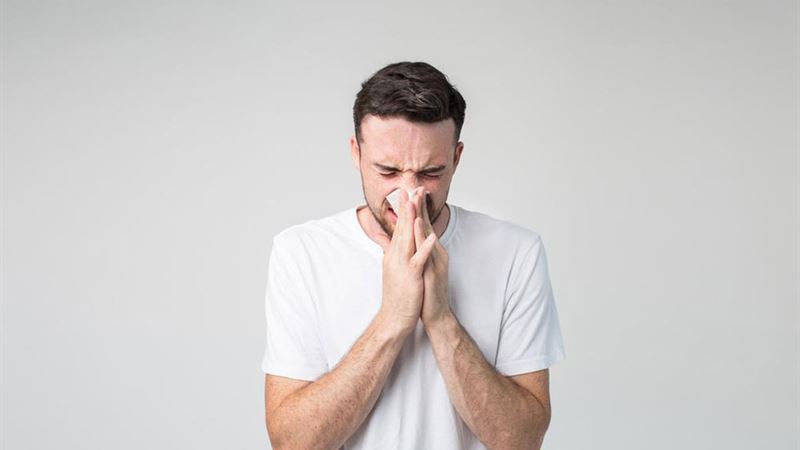
If you experience persistent irritation or inflammation in your nasal passages that last longer than three months, you might be dealing with nasal polyps. These soft, painless growths develop on the lining of your nasal passages or sinuses and can significantly impact your quality of life. Recognizing the symptoms early and understanding the causes are crucial steps toward effective treatment. This comprehensive guide delves deep into the symptoms, potential causes, and management options for nasal polyps, helping you make informed decisions for your health.
**Common Symptoms of Nasal Polyps**
Recognizing the signs of nasal polyps can sometimes be challenging because they overlap with other respiratory conditions. If you've been experiencing any of these symptoms for an extended period, consult a healthcare professional for accurate diagnosis:
**Important: Seek immediate medical attention if symptoms interfere with breathing or are accompanied by severe pain, as these signs may indicate complications requiring urgent care.**
**Potential Causes of Nasal Polyps**
Although the exact cause of nasal polyps remains elusive, research suggests that immune system responses and chronic inflammation play significant roles. These growths develop due to swelling of the mucous membrane—the moist tissue lining the nasal passages and sinuses. Several health conditions predispose individuals to develop nasal polyps by fostering a state of ongoing inflammation:
**Strategies for Managing and Preventing Nasal Polyps**
While nasal polyps can be persistent, several management approaches can help alleviate symptoms and prevent their recurrence. Here are proven strategies to consider:
**Additional Tips for a Healthier Sinus Environment**
Create an environment conducive to sinus health by:
**Common Symptoms of Nasal Polyps**
Recognizing the signs of nasal polyps can sometimes be challenging because they overlap with other respiratory conditions. If you've been experiencing any of these symptoms for an extended period, consult a healthcare professional for accurate diagnosis:
- Persistent nasal congestion or runny nose
- Sensitivity to smells or complete loss of smell (anosmia)
- Altered or decreased sense of taste
- Postnasal drip causing throat irritation
- Frequent nasal infections
- Facial pressure or pain around the cheeks and forehead
- Headache, especially around the eyes or forehead
- Snoring and breathing difficulties during sleep
- Frequent nosebleeds
- Pain or pressure in the upper teeth
**Important: Seek immediate medical attention if symptoms interfere with breathing or are accompanied by severe pain, as these signs may indicate complications requiring urgent care.**
**Potential Causes of Nasal Polyps**
Although the exact cause of nasal polyps remains elusive, research suggests that immune system responses and chronic inflammation play significant roles. These growths develop due to swelling of the mucous membrane—the moist tissue lining the nasal passages and sinuses. Several health conditions predispose individuals to develop nasal polyps by fostering a state of ongoing inflammation:
- Chronic sinus infections
- Asthma, especially allergic asthma
- Alergic fungal sinusitis
- Cystic fibrosis, a genetic disorder affecting mucus production
- Aspirin or non-steroidal anti-inflammatory drug (NSAID) sensitivity
- Vitamin D deficiency, which may impair immune regulation
- Churg-Strauss syndrome, a rare autoimmune vasculitis
**Strategies for Managing and Preventing Nasal Polyps**
While nasal polyps can be persistent, several management approaches can help alleviate symptoms and prevent their recurrence. Here are proven strategies to consider:
- Maintain Optimal Hygiene: Regular hand washing, avoiding contact with sick individuals, and keeping your environment clean can reduce exposure to infections that may trigger or worsen nasal inflammation.
- Avoid Air Pollutants: Reducing exposure to tobacco smoke, dust, chemical fumes, and other airborne irritants can significantly decrease nasal inflammation. Using air purifiers and wearing masks in polluted environments are practical steps.
- Control Underlying Conditions: Proper management of asthma, allergies, and sinus infections is essential. Consult your healthcare provider to evaluate and optimize your treatment plan for these conditions.
- Use Humidifiers: Maintaining indoor air moisture levels with a humidifier can help keep mucus thin and promote better drainage from the sinuses. Ensure regular cleaning of the device to prevent mold growth and bacteria.
- Implement Nasal Irrigation: Regular nasal rinses using saline solutions with devices like neti pots or squeeze bottles can clear mucus and allergens, reducing blockage and inflammation. Over-the-counter saline sprays can be beneficial for daily maintenance.
- Consult a Medical Professional Before Self-Treatment: Always seek medical advice before initiating nasal therapies, especially if you have allergies or other health issues. A healthcare provider can recommend appropriate medications or procedures tailored to your needs.
**Additional Tips for a Healthier Sinus Environment**
Create an environment conducive to sinus health by:
- Maintaining adequate hydration to keep mucus thin and flowing freely
- Adopting a balanced diet rich in immune-boosting nutrients
- Practicing allergy management through avoidance and medication
- Regularly visiting your healthcare provider for sinus health evaluations