
Innovative Strategies in Modern Automotive Retailing
Explore the latest innovations in automotive retailing, including direct-to-consumer sales models, city-center brand outlets, and how dealerships adapt to regulatory challenges. Discover how advanced training and customer engagement strategies are redefining the car buying experience in today's fast-changing industry.
Another notable example is Tesla Motors, which has redefined vehicle sales by adopting a direct-to-consumer approach, bypassing traditional dealerships altogether. Tesla’s decision stems from a belief that third-party dealerships often lack the expertise needed to effectively showcase the unique advantages of their electric vehicles. The company argued that dealerships, being independent entities, sometimes fall short in conveying the technological sophistication and environmental benefits of Tesla's cars. Consequently, Tesla launched urban gallery spaces—stylish showrooms located within city centers—where prospective buyers can view vehicles firsthand and proceed with online purchases seamlessly. This model not only improves customer engagement but also reduces sales friction.
However, it's important to note that legislation in many regions, particularly in the United States, restricts the sale of vehicles directly from manufacturers. Franchise laws in nearly every U.S. state prohibit automakers from selling directly to consumers, mandating that vehicles must be sold through authorized dealerships. This legal framework aims to protect franchise dealers and preserve competition within the automotive retail industry. As a result, manufacturers must operate within established dealership networks, which are heavily regulated and often involve franchise agreements.
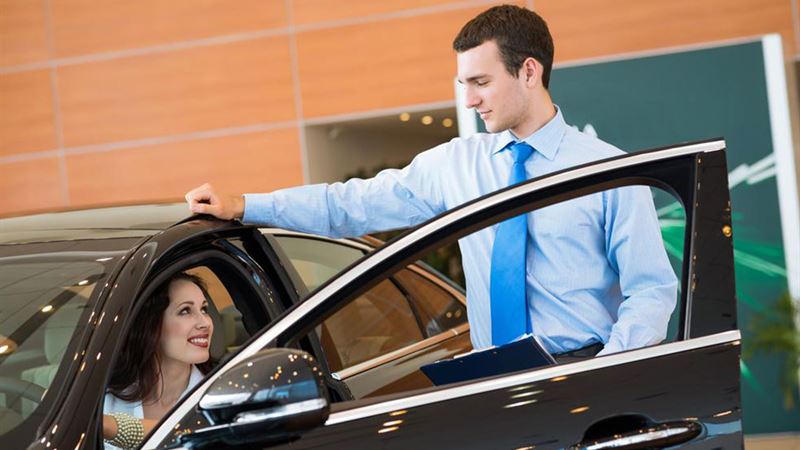
The sales team members engage customers by asking questions about their lifestyle, transportation needs, budget, and desired vehicle features. This helps them recommend suitable models that align with the customer’s requirements, whether it’s family-oriented SUVs, eco-friendly electric vehicles, or luxury sedans. Their goal is to foster trust and provide an informative experience that alleviates customer doubts and facilitates an informed decision-making process.
Additionally, dealerships offer customers the opportunity to physically experience the vehicles. Test drives, in-depth demonstrations, and personalized consultations are integral parts of the modern buying process. Many dealerships also provide virtual tours or interactive digital tools to enhance the customer experience, particularly in the wake of increasing online shopping preferences.
These services are part of the strategic partnership between automobile manufacturers and dealership networks. Such collaborations aim to promote brand loyalty, increase sales, and ensure that customers receive comprehensive support from consultation to post-purchase maintenance. As automotive technology advances and consumer expectations shift, dealerships are continuously innovating to stay relevant and competitive in this dynamic industry.