
Common Pitfalls to Avoid When Adopting a Paleo Lifestyle for Optimal Health
Discover the common mistakes to avoid when starting a Paleo diet. Learn how to balance fats, proteins, and portions effectively for optimal health and sustained weight loss. Practical tips help beginners navigate their Paleo journey with confidence, ensuring they incorporate healthy fats, manage portion sizes, and remain motivated without self-criticism. This comprehensive guide offers insights into food preparation, diet balance, and mental approach, making your Paleo experience both enjoyable and successful.
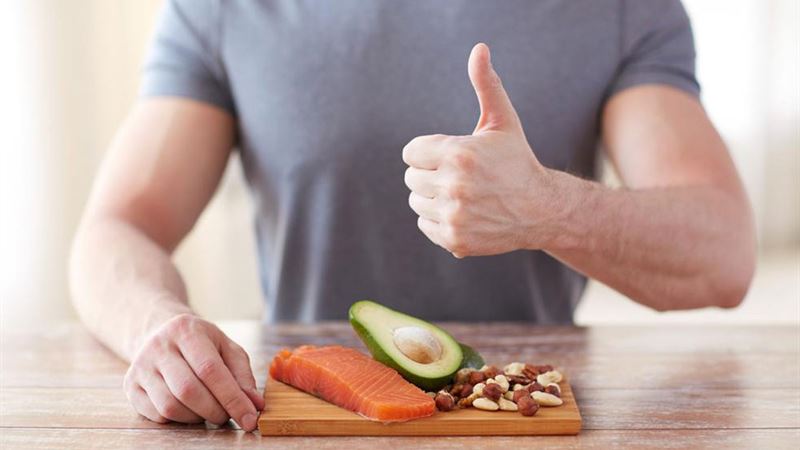
Excessive Protein Intake: A common mistake among newcomers is over-consuming protein-rich foods. Many assume that eating more proteins will accelerate their progress, leading to a preference for meat, eggs, nuts, and other protein-dense foods. While proteins are vital for muscle repair and overall health, excess intake can disrupt your nutritional balance. Consuming too much protein can strain your kidneys and may lead to nutrient deficiencies if other food groups are neglected. Achieving a well-rounded Paleo diet involves balancing proteins with healthy fats and plenty of vegetables and fruits.
Ignoring Natural Fat Sources During Food Preparation: When preparing Paleo meals, the choice of cooking methods can unintentionally reduce healthy fats in your diet. Techniques such as steaming or grilling are popular but may eliminate natural fats present in meats and other ingredients. While these methods are healthy in terms of calorie control, they shouldn't compromise your intake of essential fats. Instead, incorporate foods cooked using methods that retain natural fats or add healthy fats like avocados, olive oil, or nuts. Fats are crucial for nutrient absorption, brain health, and overall energy levels within a Paleo framework.
Undervaluing Portion Sizes: Many tend to underestimate or deliberately reduce their portion sizes to cut fat intake, fearing that eating more will undo their progress. However, restrictive portioning can do more harm than good, leading to insufficient nutrient consumption and potential metabolic slowdown. It's not just about calorie counting but ensuring your meals provide ample amounts of all macronutrients—fats, proteins, and carbs—in appropriate ratios. Overly small portions may leave you hungry, unfocused, and at risk of nutrient deficiencies, which can impede your health and fitness goals.
Being Overly Critical of Yourself: Adopting a Paleo lifestyle can be challenging, especially in the initial phases, which might trigger cravings for processed or convenience foods. Many beginners become overly self-critical, punishing themselves for minor slip-ups instead of viewing the process as a gradual transition. Instead, adopt a sustainable approach, such as the 80/20 rule—where 80% of your eating is strictly Paleo and 20% allows flexibility. This mindset fosters consistency, reduces stress, and makes the diet more enjoyable and manageable long-term.