
Effective Home Strategies to Combat Flea and Tick Infestations in Pets
Discover effective natural methods to prevent and control flea and tick infestations in your pets. From homemade sprays utilizing common household ingredients to herbal baths with citrus and essential oils, these eco-friendly remedies offer safe alternatives to chemical treatments. Proper hygiene and environmental maintenance play vital roles in pest prevention. Regularly applying these natural solutions helps keep your pets healthy and free from pests, ensuring a happier and safer home environment. Learn simple tips and techniques to safeguard your pets naturally and effectively.
Homemade Flea and Tick Prevention Sprays Herbal Baths and Citrus-Based Remedies Utilizing Essential Oils for Pest Repellence Garlic Water for Pest Prevention Maintaining a Clean and Pest-Free Environment
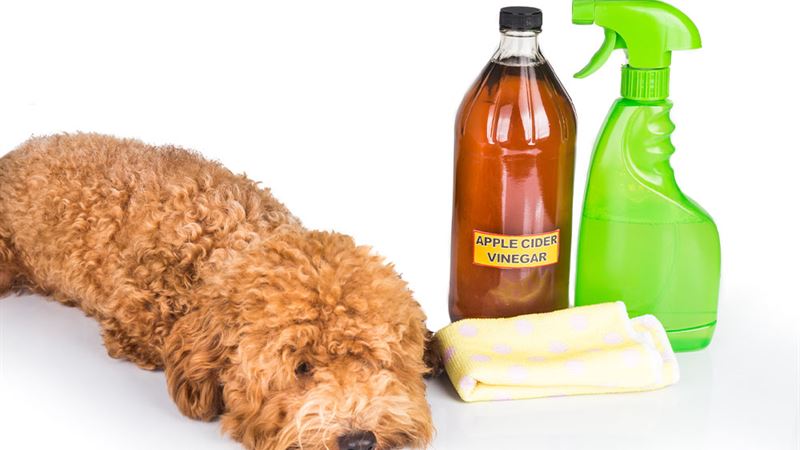
A popular natural approach involves preparing diluted sprays using household ingredients. For instance, create a cider vinegar-based solution by mixing apple cider vinegar with water, then spray this mixture over your pet's coat once or twice each month. This helps repel pests naturally without harsh chemicals. It's essential to ensure that the spray reaches all areas, including the underbelly, behind ears, around legs, and especially the tail, where fleas and ticks often cling. For added effectiveness, combine this with routine baths using herbal shampoos designed for pest control.
Citrus fruits, notably lemons, are potent natural repellents. To make a lemon-based spray, slice several lemons and immerse them in boiling water overnight. The next day, strain and pour the liquid into a spray bottle. Spray generously over your pet's entire body, paying special attention to common hiding spots like under the fur, behind ears, and around the tail. You can also create a homemade lotion by mixing lemon juice with salt dissolved in boiling water, applying it after bathing for added protection. This natural remedy is safe and effective when used correctly.
Certain essential oils, including lavender, lemongrass, peppermint, rosemary, cedar, citronella, and eucalyptus, are excellent natural deterrents. When preparing topical repellents, confirm your pet’s allergy status with your veterinarian before use. Add a few drops of these oils to regular pet shampoos or dilute in water to create effective sprays. These natural oils not only repel fleas and ticks but also leave your pet smelling fresh. Always ensure safe concentration levels, especially for smaller animals or puppies, by consulting with a veterinarian.
Garlic infusions can serve as an outdoor repellent to prevent pests from infesting your home. Prepare garlic water by steeping garlic cloves in water, then spray this solution around your yard and pet area. This natural deterrent helps minimize the chances of fleas and ticks entering your pet’s environment. It’s a preventive step and complements other natural remedies effectively.
Keeping your home and pet surroundings clean is fundamental. Regularly wash bedding, furniture covers, and any fabric materials that your pet comes into contact with. Use vacuum cleaners frequently to remove fleas, eggs, and larvae from carpets, furniture, and cracks in floors. Addressing dampness and moisture issues promptly is crucial, as pests tend to breed in moist environments. By maintaining a tidy, dry, and clean space, you significantly reduce the likelihood of a flea or tick infestation taking hold.