
Simplify Diabetes Management with Advanced Insulin Pen Devices
Discover how advanced insulin pens revolutionize diabetes management by offering precise, easy-to-use insulin delivery options. Learn about the types, features, and proper use of insulin pens to improve your daily care routine and health outcomes. Empower yourself with technology that makes self-injection safer, more convenient, and less stressful while maintaining tight blood sugar control.
The Role of Insulin in Diabetes Control
Insulin is a vital hormone produced by the pancreas, responsible for regulating blood sugar levels. In individuals with diabetes, the body's ability to produce or utilize insulin effectively is compromised, leading to elevated blood glucose levels. Over time, this hyperglycemia can cause damage to vital organs such as the heart, kidneys, nerves, and eyes. Managing blood sugar levels is therefore crucial to prevent complications associated with diabetes.
To compensate for the body's reduced insulin production or insulin resistance, patients often rely on insulin therapy. This involves injecting insulin to maintain blood glucose within healthy ranges. Multiple types of insulin formulations are available, each designed to act at specific times and durations to mimic natural insulin release. Understanding these types helps patients and healthcare providers optimize treatment plans. These insulin types differ based on their onset (how quickly they start working), peak (when they are most potent), and duration (how long they remain effective).
Major categories include:
- **Short-Acting Insulins:** Typically begin working within 30 minutes, peaking around 2-3 hours, and lasting 4-6 hours.
- **Rapid-Acting Insulins:** Act swiftly within 15 minutes, peak at about 1 hour, and last for 3-5 hours.
- **Intermediate-Acting Insulins:** Start five minutes after injection, peak at 4-12 hours, and last up to 18 hours.
- **Long-Acting Insulins:** Provide a steady release, beginning in 1-2 hours, with minimal peaks, lasting up to 24 hours or more.
- **Pre-Mixed Insulins:** Combine various insulin types to cover basal and prandial needs, simplifying administration.
**Innovations in Insulin Delivery: The Shift to Insulin Pens**
Historically, insulin administration involved using syringes and vials, which often posed challenges related to handling, storage, and injection accuracy. Many patients found the process intimidating or inconvenient, especially those with joint issues, poor dexterity, or limited vision. These barriers sometimes led to missed doses or improper administration, impacting diabetes control.
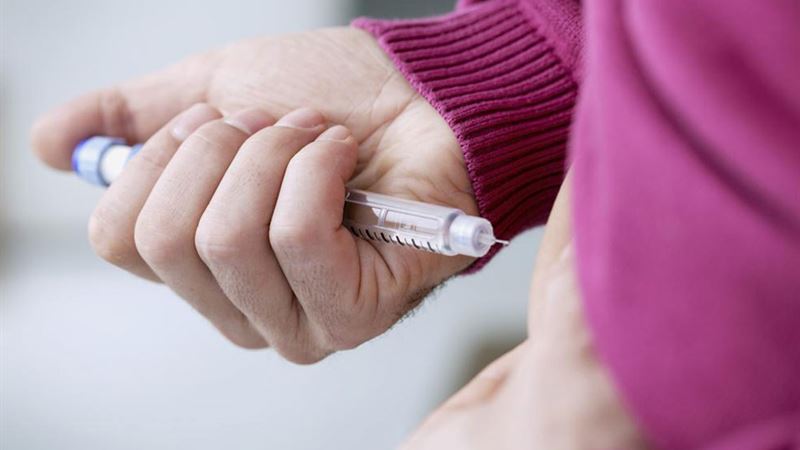
In recent years, the advent of insulin pens has revolutionized diabetes management. These devices offer a user-friendly, discreet, and efficient method to administer insulin. Insulin pens are designed to be portable and easy to use, significantly improving patient adherence and confidence. They consist of a pen-shaped device prefilled or refillable with insulin, equipped with an easy-to-press button and a dose selector. Just load a disposable needle, select the required dose, and inject — no need for separate vials or syringes. This innovation empowers patients to manage their condition more independently and accurately.
**Types of Insulin Pens: An Overview**
Insulin pens fall into several categories based on their design and usage, catering to various patient needs:
- Disposable Insulin Pens: These come preloaded with insulin and are intended for single-use over a specified period, typically 28 days. They are stored refrigerated before use and then kept at room temperature after priming. Once emptied or after the expiration period, they must be discarded. These are favored for their convenience and simplicity.
- Reusable Insulin Pens: Designed for long-term use, these pens feature cartridges that can be replaced once emptied. Patients load new cartridges into the device, which are stored refrigerated prior to use. They are then kept at room temperature for daily use. Reusable pens are more environmentally friendly and cost-effective in the long run.
- Premixed or Combination Insulin Pens: Some patients require multiple types of insulin to manage their blood sugar effectively. Pens with premixed combinations contain two types of insulin in specific ratios, simplifying dosing and reducing injection frequency. Always consult your healthcare provider to determine if this option suits your treatment plan.
Advantages of Insulin Pens
Insulin pens provide numerous benefits over traditional syringe-and-vial methods:
- Precise dose selection minimizes dosing errors, improving blood sugar control.
- Ease of use encourages consistent self-administration.
- Portability allows for discreet injections anywhere, anytime.
- Less pain and anxiety, especially with fine needles and modern design.
- Enhanced safety features like dose calculators and dose delivery alerts.
**Features and Functionalities**
Modern insulin pens incorporate innovative features aimed at improving user experience and safety:
- Clear dose counters or digital displays showing last dose and timing.
- Spring-loaded mechanisms to ensure effortless injection with minimal force.
- Color-coded or textured bodies for easy identification and differentiation.
- Dose memory functions to track previous injections.
- Needle shield systems for safe disposal.
**Effective Use of Insulin Pens: Step-by-Step Guide**
Proper technique is vital to ensure safe and effective insulin delivery. Here are essential steps for using insulin pens correctly:
- Prior to the first use, prime the pen by attaching a new needle and dialling a small dose to expel air and ensure proper insulin flow.
- Insert a fresh needle into the pen's tip, removing any protective cap.
- Set the prescribed dose using the dose selector, usually by turning a knob or dial.
- Hold the pen vertically and press the injection button to release insulin, ensuring insulin appears at the needle tip indicating proper priming.
- Choose the injection site—common areas include abdomen, thigh, or upper arm—and clean the skin if necessary.
- Hold the pen at a 90-degree angle to your skin and insert the needle fully.
- Press the injection button steadily and hold for a few seconds to guarantee complete delivery.
- Withdraw the needle carefully and dispose of it safely in a puncture-proof container.
- Store reusable pens at room temperature and replace cartridges as needed. Disposable pens should be discarded after use or when expiration arrives.
**Ensuring Safety and Compliance**
Using insulin pens correctly not only affects blood sugar control but also impacts safety. Always follow your healthcare provider's instructions regarding dosage and injection sites. Regularly check the device for damage or malfunction, and do not reuse needles to prevent infections. Keep track of your injections and any reactions to inform your doctor during check-ups. Educate yourself about the proper disposal of needles and used pens in compliance with local regulations. Proper storage of insulin and devices ensures their efficacy and safety, deterring contamination and spoilage.
In conclusion, insulin pens are an essential leap forward in diabetes care, combining precision, convenience, and safety. They empower patients to take charge of their condition confidently. Consult your healthcare professional to select the most suitable insulin pen type and learn the correct administration techniques. By integrating innovative insulin delivery devices into your routine, managing diabetes becomes less burdensome, enabling a better quality of life. Embrace the advancements in diabetes technology and take control today!